



Covid-19 variant first detected in S Africa spreading locally
The B.1.351 strain of the Covid-19 virus that was first detected in South Africa - and which renders some vaccines less effective - is being transmitted locally.
Health Ministry director-general Dr Noor Hisham Abdullah said there were so far nine cases of this strain, confined to the Kuala Langat district in Selangor.
The B.1.351 strain of the Covid-19 virus that was first detected in South Africa - and which renders some vaccines less effective - is being transmitted locally.
Health Ministry director-general Dr Noor Hisham Abdullah said there were so far nine cases of this strain, confined to the Kuala Langat district in Selangor.
The first four cases were detected in March as part of the Institute of Medical Research’s (IMR) surveillance of Covid-19 strains, which prompted further testing of samples collected in the Kuala Langat and Sepang districts which uncovered five more cases.
Of the first four, two cases involve workers for a company based at the Kuala Lumpur International Airport and are believed to be linked to the Jalan Lima Covid-19 cluster.
“However, the mode of transmission and spread of the B.1.351 variant to the workers is difficult to determine and verify,” said Noor Hisham in a statement today.
One more case involves the Kebun Baru cluster and another a family member who lived in the same house as a Covid-19 case.
In the five cases detected later, four were from the Kebun Baru cluster and one was from the Jalan Lima cluster.
“To date, phylogenetic analyses and geographical links show that these cases likely originated from a common source of infection,” he said.
Noor Hisham added that the Health Ministry will continue to take public health measures to prevent new Covid-19 variants from spilling over into Malaysia.
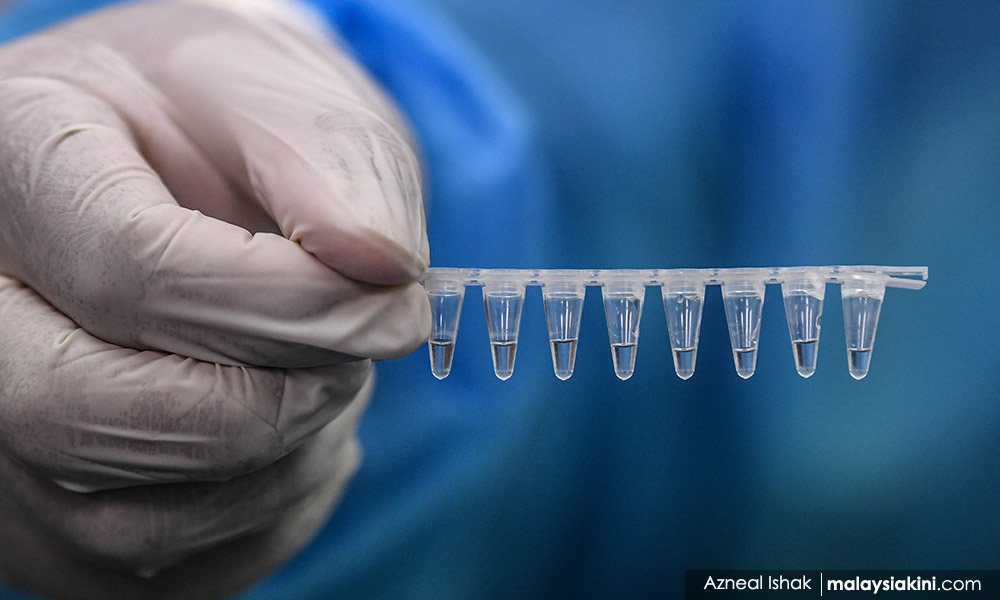
The Kuala Langat and Sepang district health offices, together with the IMR, will also continue to perform full genomic sequencing of virus samples to monitor this and other variants, he added.
In 2020, he said the 144 genomic sequences of the coronavirus had been uploaded to Gisaid, which is an international repository for genomic sequences of some viruses.
In 2021 up to late March, 117 samples of the virus had been sequenced.
Cluster still active
For the record, the first cases of the Jalan Lima cluster were detected on Feb 4 following a targeted screening at a services company at Jalan KLIA S5 and which eventually infected 57 people.
The Health Ministry ceased monitoring of this cluster on March 30 after no cases were detected for 28 consecutive days.
The Kebun Baru cluster was first detected on Dec 24 last year through targeted screening at a factory in Kuala Langat. The cluster is still active and has infected 1,111 people as of March 31 of which 111 cases are still in treatment.
Monitoring for this cluster will end on April 25 if no further cases are detected.
The B.1.351 variant was first detected in South Africa and the UK in December last year. Later, it was also reported in various other countries including the US, Canada, Germany, Australia, and South Korea.
Preliminary data showed that it is more infectious than the original strain that emerged in Wuhan, China, last year, though it does not seem to cause patients to become more severely ill compared to the old strain. It also more readily infects those who had a previous Covid-19 infection.
Limited laboratory and human tests suggest some vaccines offer slightly reduced but still-effective protection against the variant, but others are rendered virtually impotent.
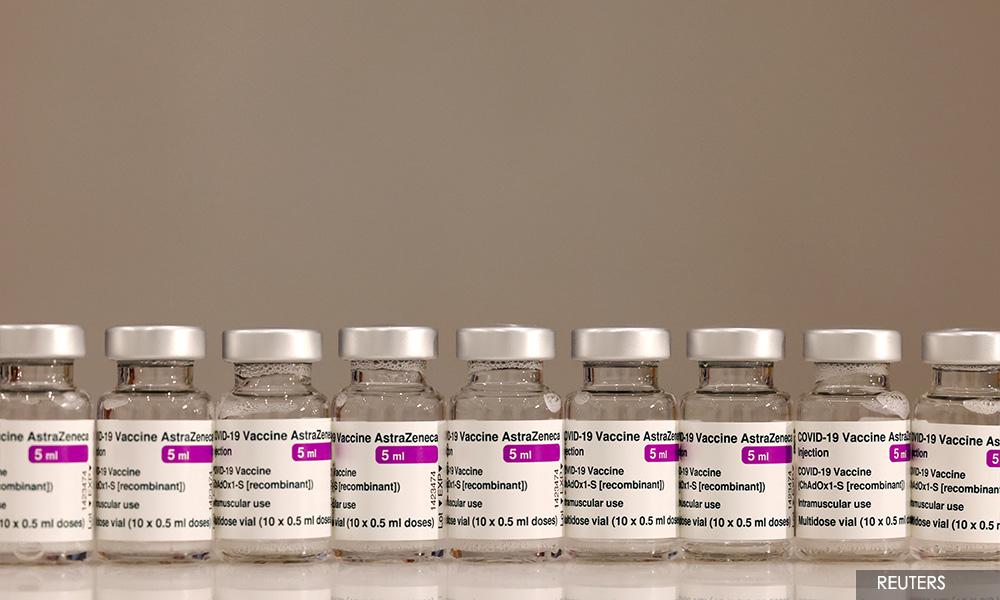
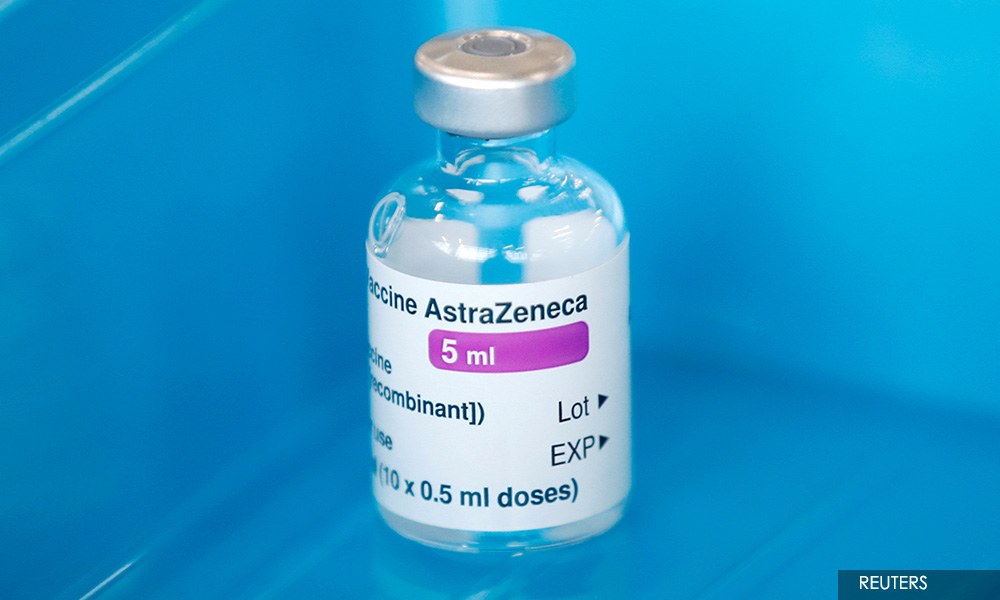
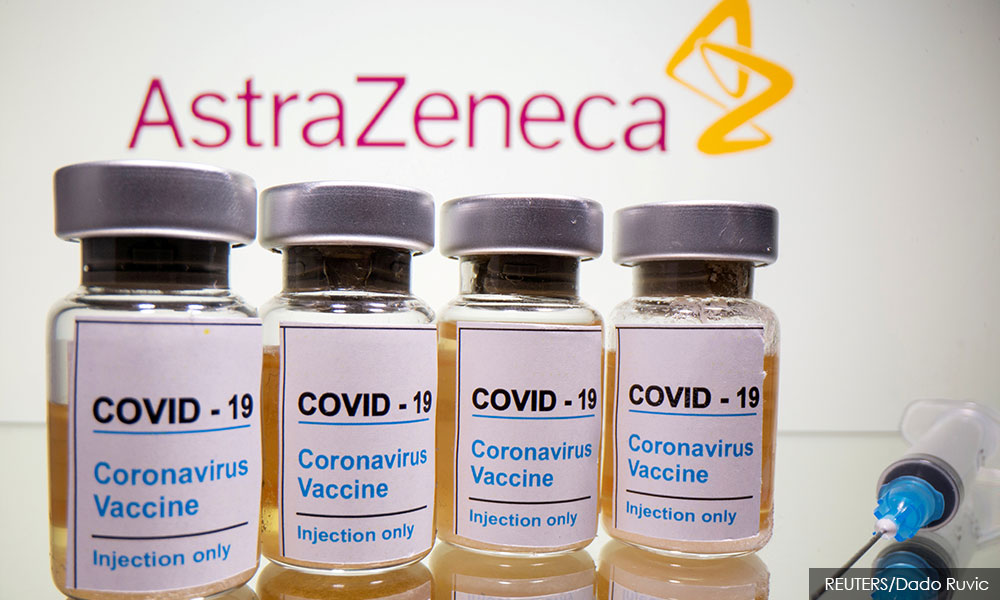
The South African government had suspended its rollout of AstraZeneca/Oxford University’s Covid-19 vaccine in February after a small trial found it to offer 22 percent efficacy against mild-to-moderate infection. A later trial placed the figure even lower at 10.4 percent.
South Africa later tried selling its AstraZeneca vaccine stocks to other countries while making orders for Johnson & Johnson’s vaccine instead, which has 57 percent efficacy against B.1.351 compared to the global average of 66.1 percent.
Malaysia has ordered 12.8 million doses of the AstraZeneca vaccine, enough for 20 percent of its population.
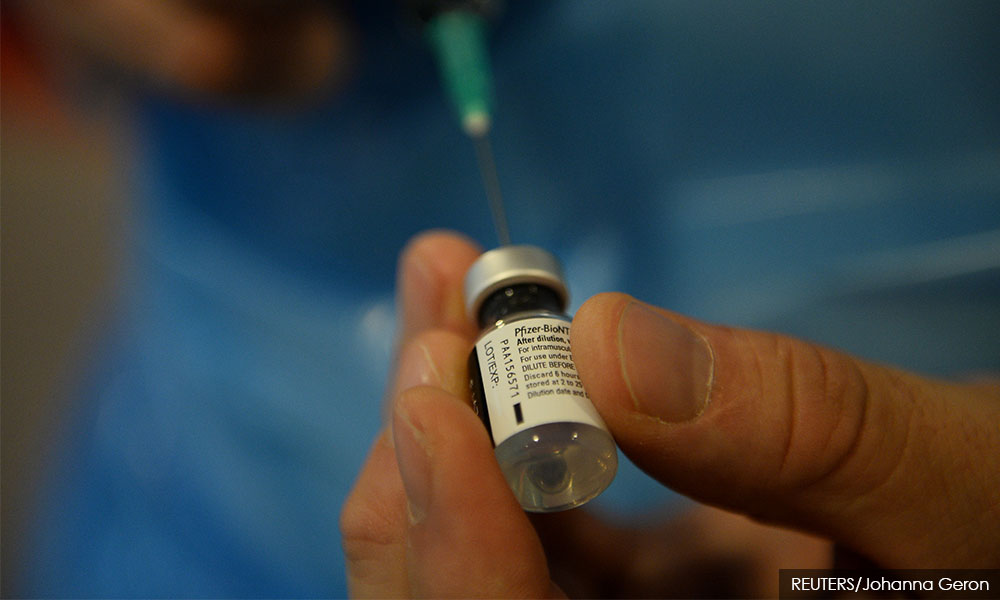
Pfizer and BioNTech announced updated trial results today claiming its vaccine offered 100 percent protection against the B.1.351 variant in a small trial where only six people were confirmed to have been infected with the variant. All six had received a placebo instead of the vaccine.
It had earlier expressing concerns it could diminish its vaccine’s efficacy and began exploring ways to address this. It has yet to publish data underlying its latest findings but said it plans to do so.
Malaysia has ordered 32 million doses of the Pfizer-BioNTech vaccine with an option for another 12.8 million doses. This would cover at least half Malaysia’s population and forms the bulk of the country’s vaccine portfolio.
On Feb 18, Brazil’s Butantan Biomedical Center that has been testing Sinovac’s Covid-19 vaccine said it is effective against the B.1.351 variant but did not provide further details. Malaysia has ordered 12 million doses (18.75 percent population coverage) of the Sinovac vaccine.
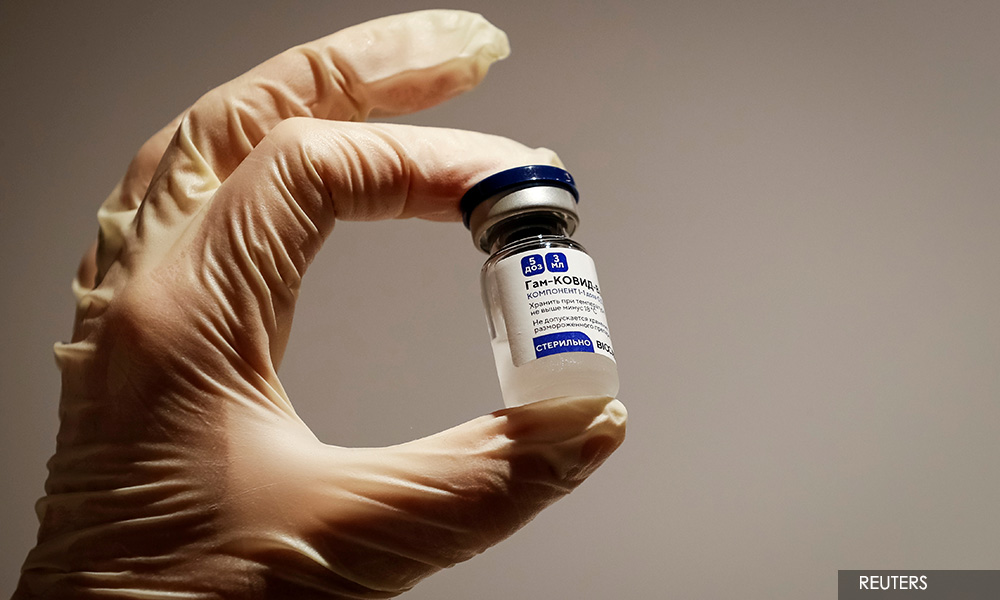
Russia’s Rospotrebnadzor Institute of Epidemiology said on March 16 that the Sputnik V vaccine is effective against B.1.351, but again did not provide further details. Malaysia has ordered 6.4 million doses (10 percent population coverage) of this vaccine.
Little is publicly known about CanSino Biologic’s Covid-19 vaccine’s efficacy against B.1.351, for which Malaysia has ordered 3.5 million doses (10.9 percent population coverage).



Report this comment
Are you sure you want to delete this comment?
This action cannot be undone.