



Curbed freedoms: A timeline of press suppression in Malaysia
When the Perikatan Nasional (PN) government came into power in February last year, its new Communications and Multimedia Minister Saifuddin Abdullah had expressed the government's commitment to upholding press freedom.
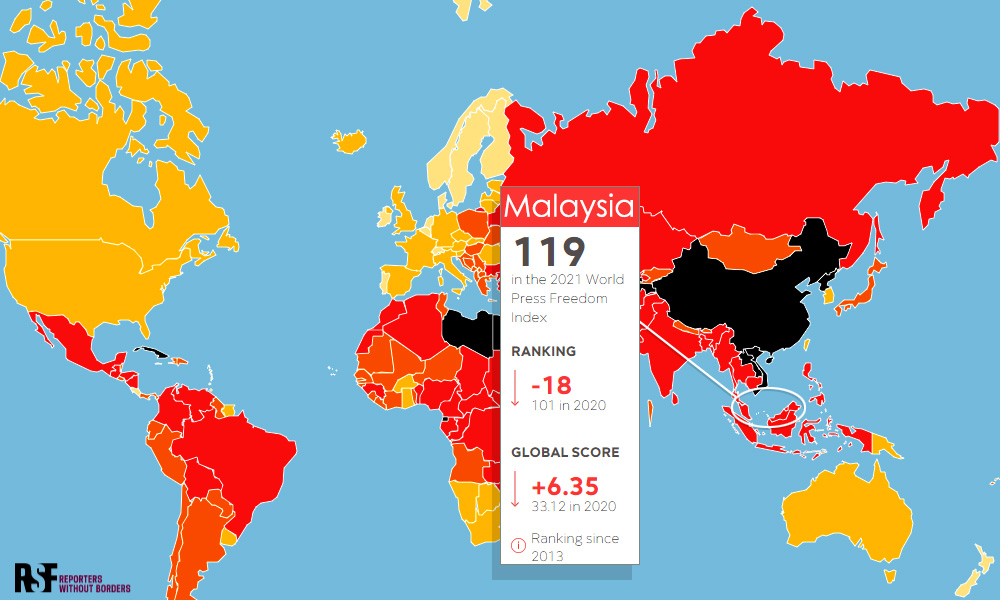
However, within 14 months, multiple probes against media outlets as well as the 2021 World Press Freedom Index in which Malaysia fell by 18 spots to number 119 have indicated that the country has a long way to go when it comes to press freedom.
Amid the ongoing battle against the pandemic, and the media’s relentless effort to keep the readers well-informed, outlets not considered “official media” were also not allowed to cover certain pertinent press conferences and events.
Unfortunately, such incidents are not new to Malaysia...
When the Perikatan Nasional (PN) government came into power in February last year, its new Communications and Multimedia Minister Saifuddin Abdullah had expressed the government's commitment to upholding press freedom.
However, within 14 months, multiple probes against media outlets as well as the 2021 World Press Freedom Index, in which Malaysia fell by 18 spots to number 119, have indicated that the country has a long way to go when it comes to press freedom.
Amid the ongoing battle against the pandemic, and the media’s relentless effort to keep the readers well-informed, outlets not considered “official media” were also not allowed to cover certain pertinent press conferences and events.
Unfortunately, such incidents are not new to Malaysia.
In conjunction with World Press Freedom Day 2021, Malaysiakini has compiled a list of some notable events and incidents pertaining to press freedom in the country.
1961: Umno's iron grip on Utusan Melayu
Utusan Melayu, which was seen as free from political interference prior to 1957, changed its course after Umno acquired the ownership of the newspaper in 1961.
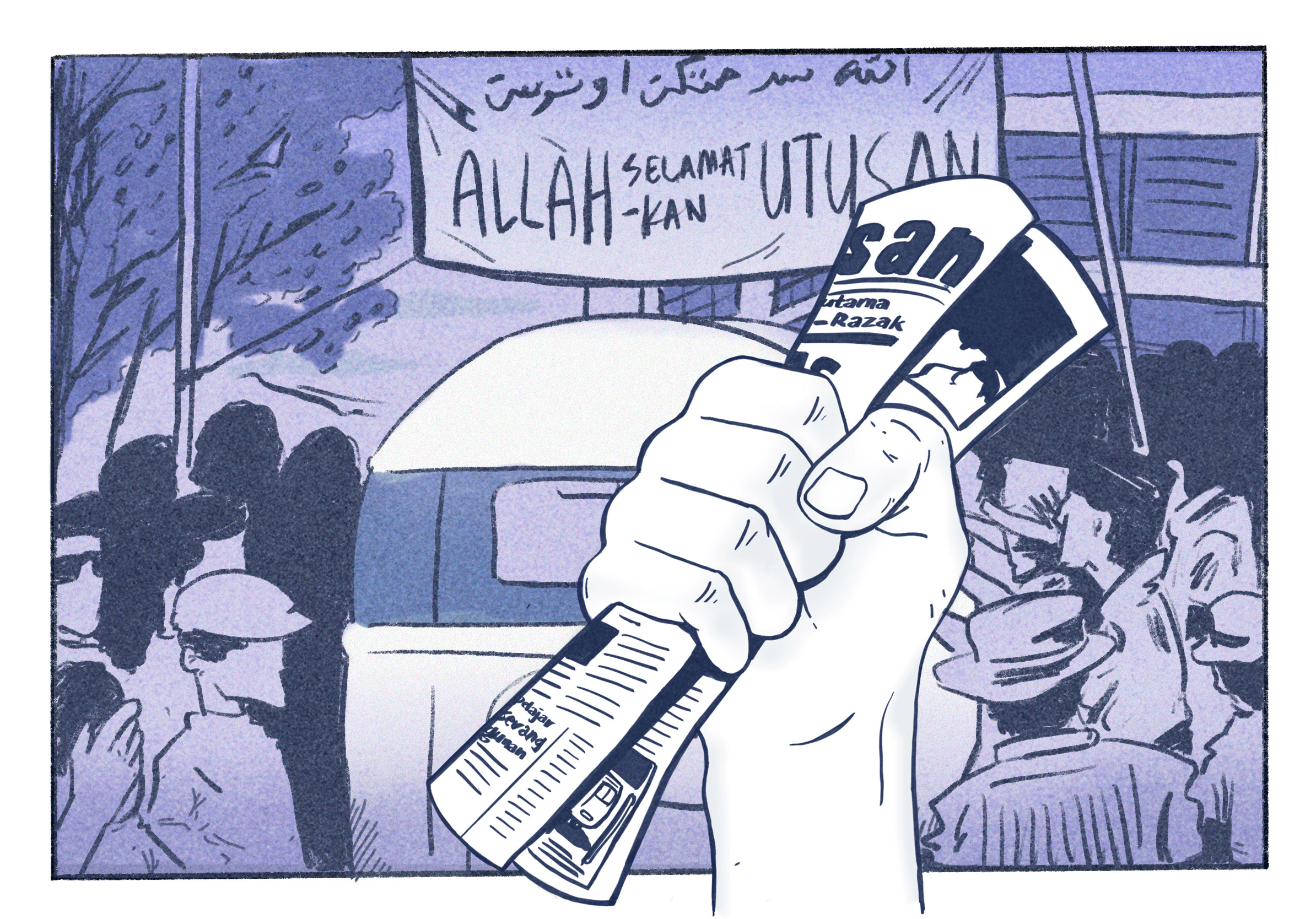
According to a report, the daily was asked to fully support the government, limit the news coverage from other parties, provide more coverage on ministers and write constructive criticism on a bad decision.
Following the grip on the newspaper, Utusan editor Said Zahari led a 90-day protest to defend Utusan's freedom.
It remained controlled by Umno for years.
In 2019, during the Pakatan Harapan era, Utusan was forced to shut down due to financial constraint, affecting around 800 employees. Utusan's National Union of Journalists chairperson Mohd Taufek Razak blamed the fall of the company due to over-reliance on a political party.
Utusan was revived a year later under the new company Media Mulia Sdn Bhd.
1987: The Star, Sin Chew Jit Poh, Watan caught up in Ops Lalang
A crackdown on more than 100 political leaders and activists, known as Ops Lalang, was launched on Oct 27, 1987, during the administration of the then BN government under the helm of Dr Mahathir Mohamad.
The mass arrest of the politicians and activists was purportedly to curb racial tension.
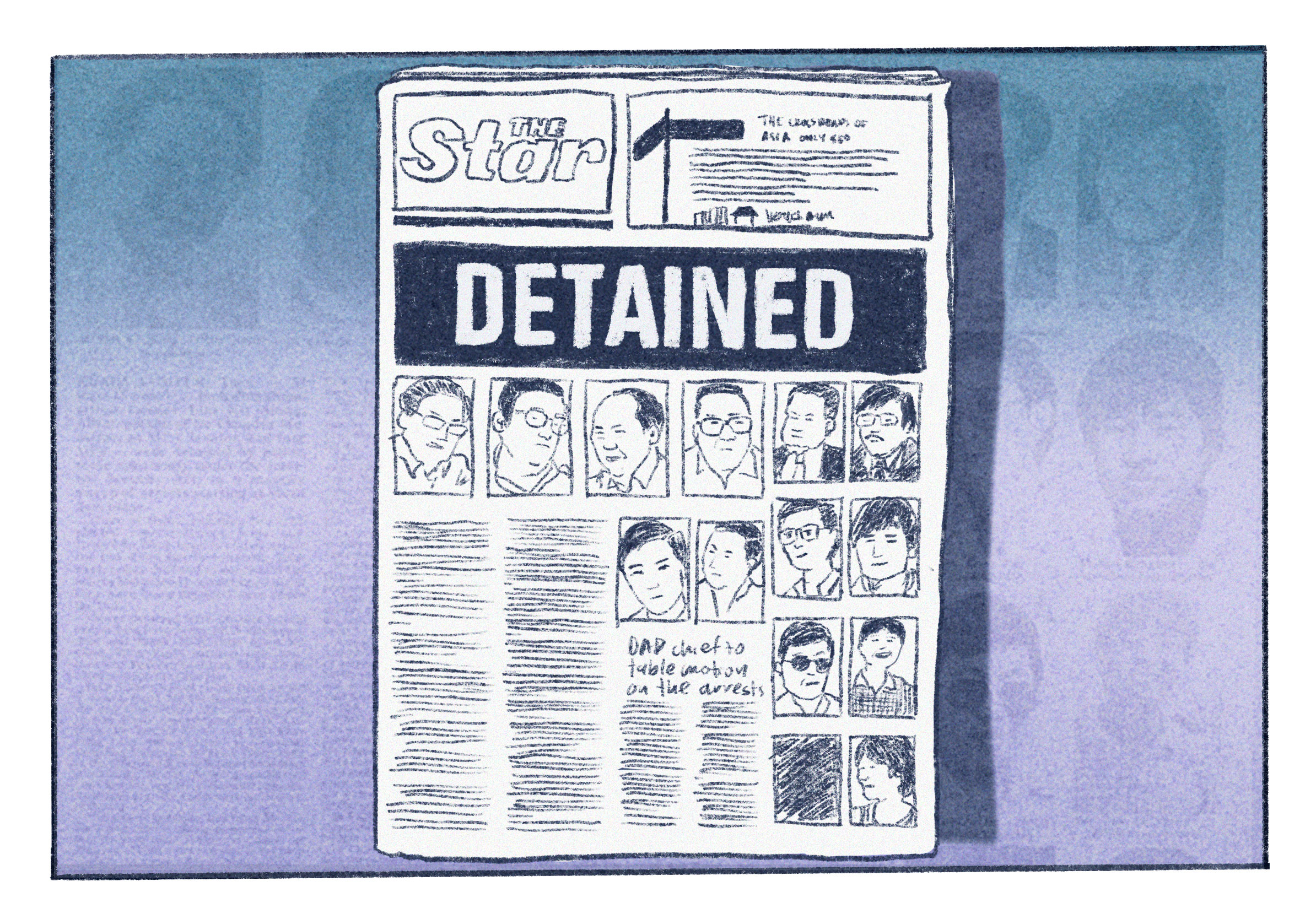
The following day, The Star published faces of those arrested under the Internal Security Act (ISA) on its front page with the headline "detained."
Those arrested included then DAP secretary-general Lim Kit Siang, Kota Melaka MP Lim Guan Eng, Jelutong MP Karpal Singh and Aliran president Chandra Muzaffar.
Subsequently, The Star, its weekend edition The Sunday Star, as well as Sin Chew Jit Poh and Watan had their publishing licences revoked.
Their licences were reinstated in March 1988.
The Star’s editorial independence was also seen to be compromised when Huaren Holdings, MCA’s investment arm, took up ownership of the company.
2003: Malaysiakini raided by police, site shuts down for 10 hours
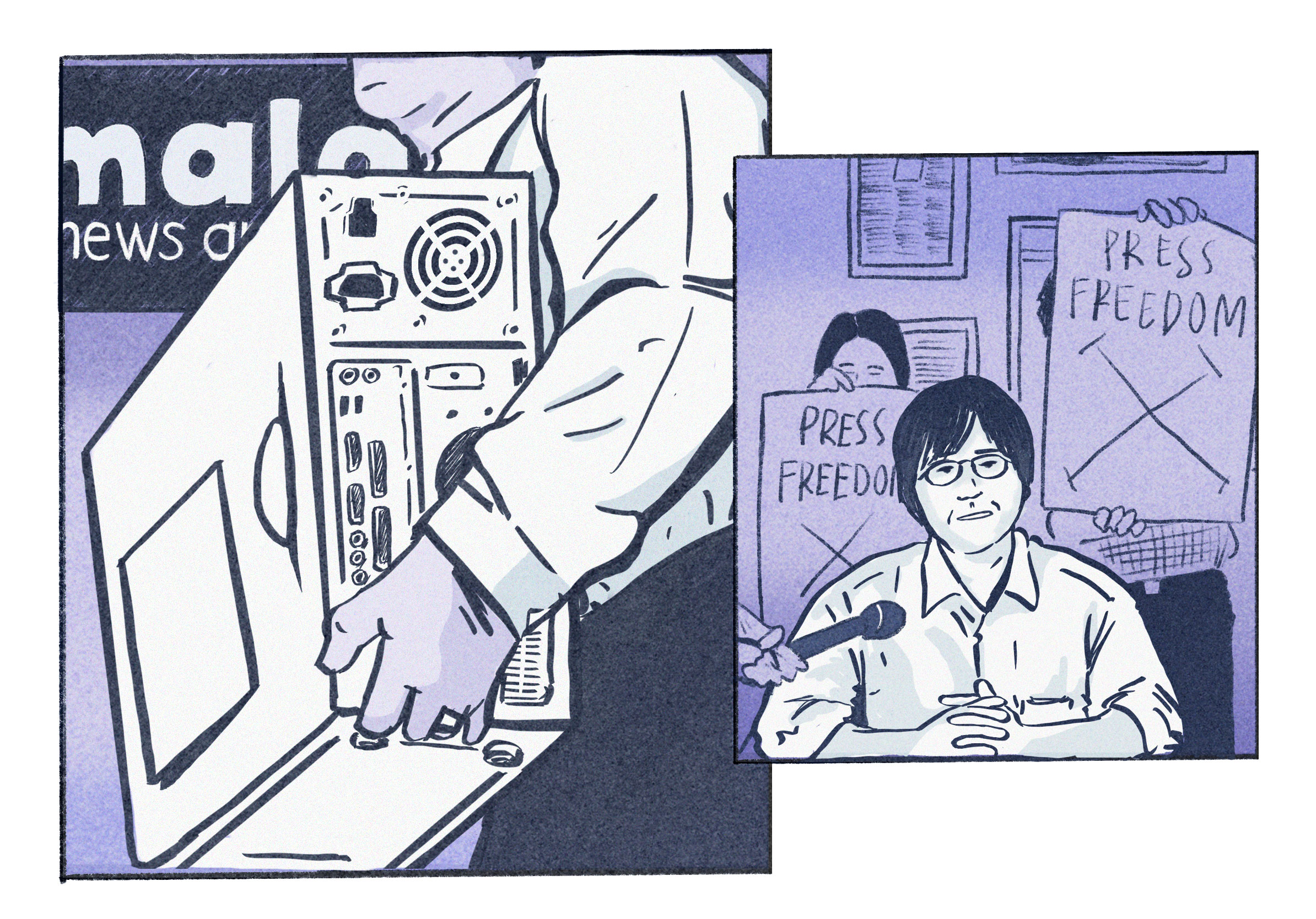
In January 2003, police raided the Malaysiakini office and confiscated 19 computers from the editorial department.
The website was shut down temporarily due to the seizures, but it was back online within 10 hours with the help of supporters and borrowed computers.
The raid was said to facilitate the police’s investigations into a report lodged by Umno Youth over a letter written by a reader.
2006: Sarawak Tribune bids farewell, Guangming Daily suspended for two weeks
Sarawak Tribune, which was incepted in 1945, ceased itself on Feb 9, 2006, after the daily reprinted the controversial Jyllands-Posten cartoons depicting Prophet Muhammad, which courted flak from the government.
However, it was revived in 2010 as the New Sarawak Tribune.
Another newspaper, Guangming Daily, which published a photo of the insulting cartoons, was also suspended for two weeks over the same issue.
2010: Censorship and show-cause actions curtail the press
There were a series of censorship issues and show-cause actions plaguing the press in 2010.
In February, the Home Ministry issued a show-cause letter to The Star over a commentary written by its managing editor P Gunasegaram on the caning of three Muslim women for illicit sex. It came a day after The Star issued an apology regarding the article, stating that there was no intention to insult or offend the Muslims.
Then, in April, NTV7 senior producer Joshua Wong resigned as the producer for the current affairs talk due to the alleged "overzealous self-censorship and government interference”. In the same month, a nine-part documentary on the Bakun Dam, initially aired on RTM's TV2, was taken off the air allegedly due to BN concerns over its chances in the Sibu by-election.
Finally, in September, the host of Mandarin radio station 988's breakfast show “Hello Malaysia” Jamaluddin Ibrahim and the station's chief executive officer Wong Lai Ngo, were sacked after the radio station interviewed gay pastor Ou Yang Wen Feng on race relations.
The Malaysian Communications and Multimedia Commission (MCMC) claimed the company had breached licence conditions 10.2 and 10.3 during a programme aired on Aug 13 that year.
2015: The Edge Weekly and The Edge Financial Daily suspended
The Home Ministry suspended the publishing permit of The Edge Weekly and The Edge Financial Daily for three months from July 27, 2015, following its report on 1MDB.
According to a statement from The Edge Media Group, the ministry's letter states that reporting on 1MDB by the two publications were "prejudicial or likely to be prejudicial to public order, security or likely to alarm public opinion or is likely to be prejudicial to public and national interest".
The Edge Media Group publisher and chief executive officer Ho Kay Tat and the group owner Tong Kooi Ong were probed under Section 124 of the Penal Code for activities detrimental to parliamentary democracy.
On Sept 21, 2015, the High Court revoked the order and in 2018, the High Court awarded RM11.26 million in compensatory damages for the company's loss of revenue as a result of the suspension.
2016: MCMC blocks The Malaysian Insider portal
In February 2016, the MCMC blocked the news portal The Malaysian Insider.
Then communications and multimedia minister Salleh Said Keruak confirmed that the ban was due to an article on the then prime minister Najib Abdul Razak and 1MDB.
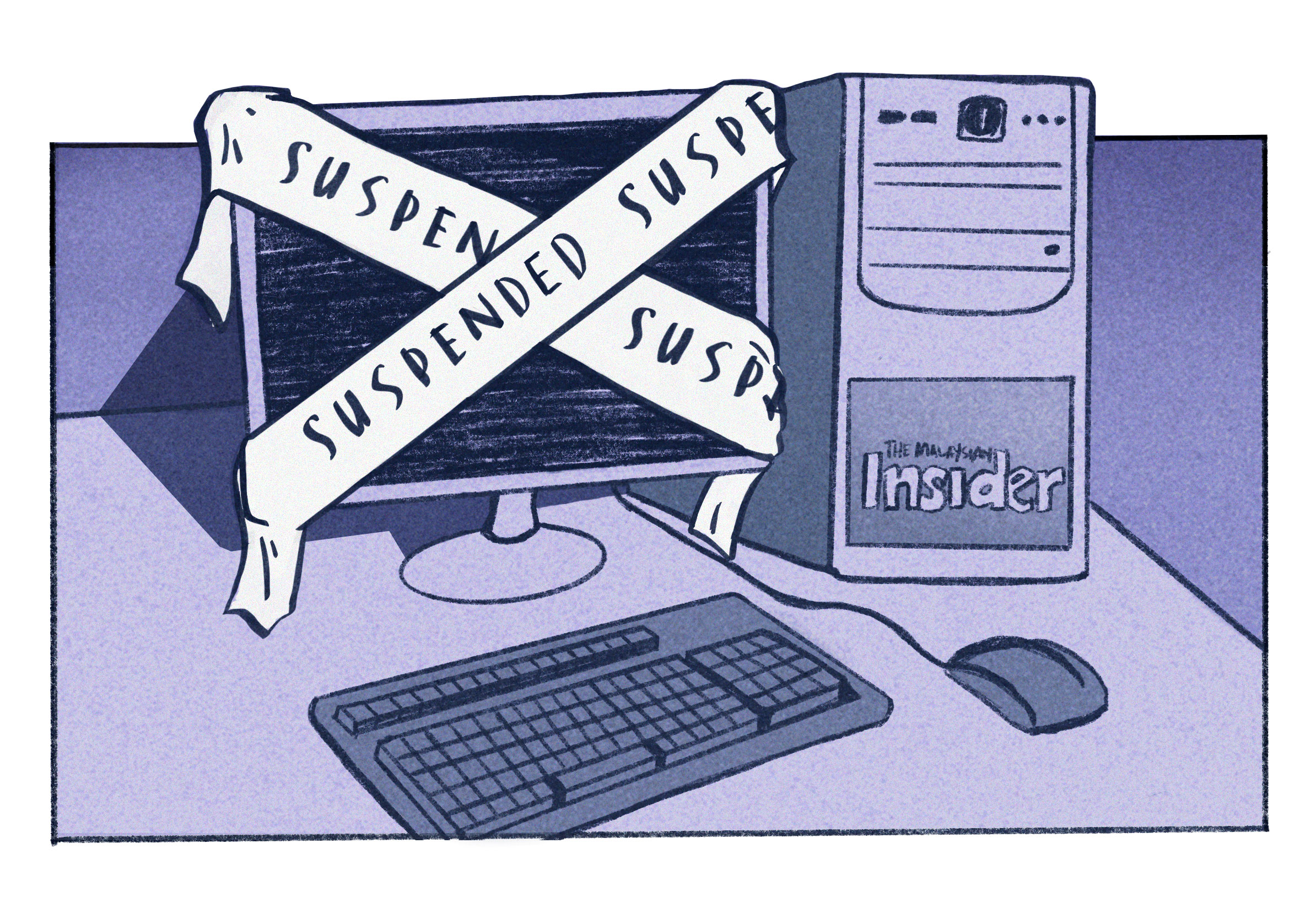
A month later, its owner The Edge Media Group decided to shut down the portal for "commercial reasons".
In 2017, it was revived as The Malaysian Insight.
June 2020: Health news portal editor probed
The police investigated CodeBlue editor-in-chief Boo Su-Lyn over a series of articles based on findings of an independent inquiry committee into the 2016 fire at Sultanah Aminah Hospital, which resulted in six deaths.
Su-Lyn claimed that she was investigated under Official Secrets Act. However, the police said they carried out the investigations under the Communications and Multimedia Act.
The Center to Combat Corruption and Cronyism (C4 Center) had labelled the investigation as "tantamount to intimidation and is clearly aimed at silencing voices that are critical of the administration of this country".
Coincidentally, three days after Su-Lyn was probed, a fire broke out again at the Sultanah Aminah Hospital. Fortunately, there were no casualties.
May 2020: Journalist investigated over tweet
South China Morning Post journalist Tashny Sukumaran, who is based in Malaysia, was investigated for her tweets on the immigration raid at Selangor Mansion, Kuala Lumpur.
She was probed under Section 504 of the Penal Code for the intentional insult with intent to provoke a breach of the peace and Section 233 of the Communications and Multimedia Act 1998.
In July, her case was classified as No Further Action (NFA).
July 2020: Probe on Al Jazeera documentary
The movement control order measures following the Covid-19 pandemic had seen authorities cracking down on undocumented immigrants.
In light of the operations, Al Jazeera had released a documentary entitled "Locked Up in Malaysia's Lockdown" which landed about six of its KL-based employees in hot water.
The documentary highlighted the alleged mistreatment of undocumented migrants in Malaysia.
It resulted in the police raiding the Al Jazeera office and interrogating the staff as well as a Bangladeshi national, Md Rayhan Kabir, 25, who was interviewed in the documentary.
Md Rayhan was later deported and barred from entering Malaysia for life. Meanwhile, Malaysian authorities reportedly refused to renew the work visas of two Al Jazeera journalists.
The police also raided two other TV stations, namely Astro and UnifiTV, as part of their investigations.
2021: Malaysiakini fined RM500,000 over readers’ comments
In February, the Federal Court fined Malaysiakini RM500,000 for contempt of court in relation to the news portal's readers' comments.
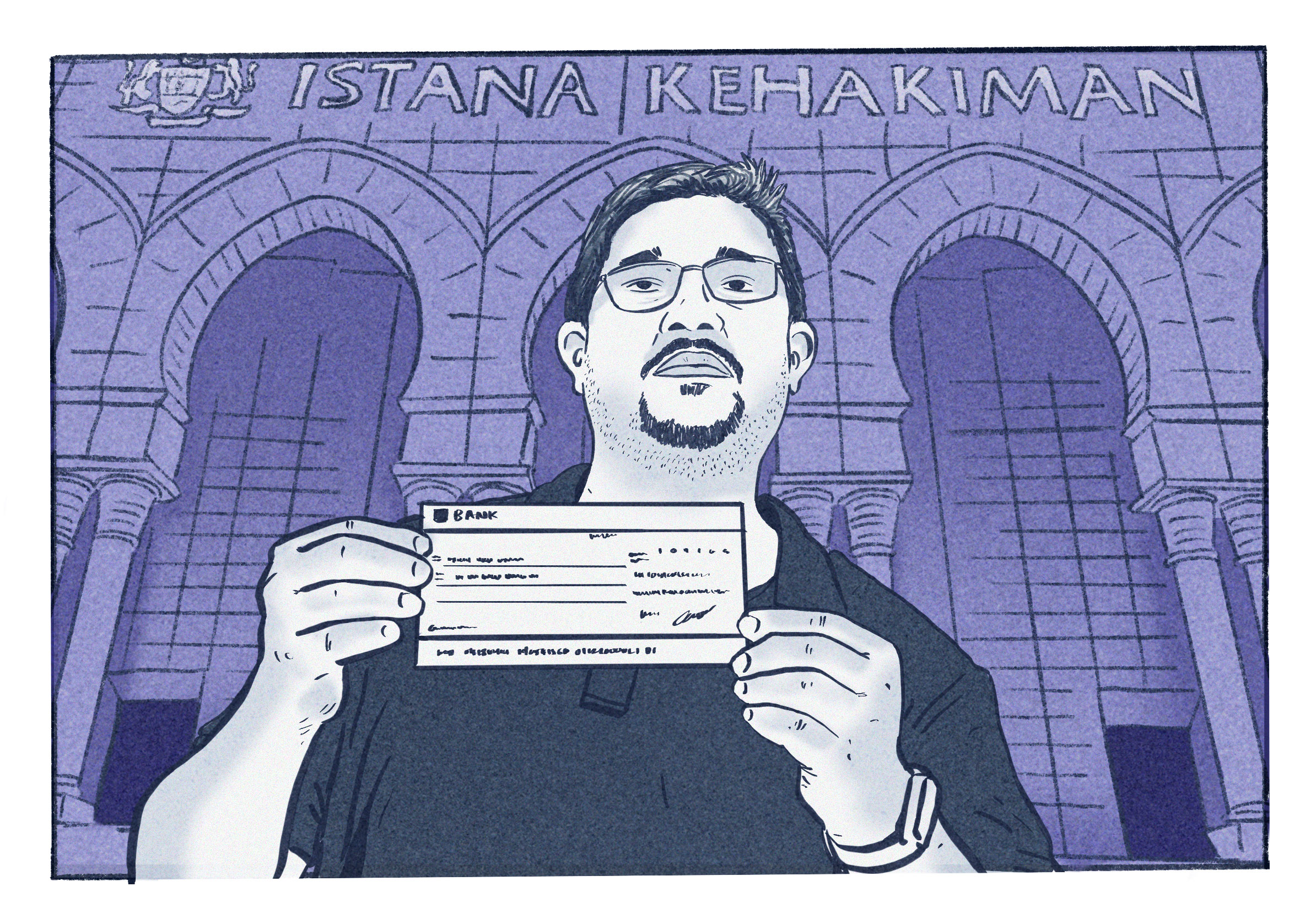
The amount came as a surprise to the portal and observers as the Attorney-General’s Chambers had initially sought an RM200,000 fine.
The 6-1 majority decision also ruled that the news portal's editor-in-chief Steven Gan was not guilty of the same charge.
The RM500,000 was successfully raised within five hours, with the help of donations from supporters.


Are you sure you want to delete this comment?
This action cannot be undone.