



Will the palace get warring factions to make peace?
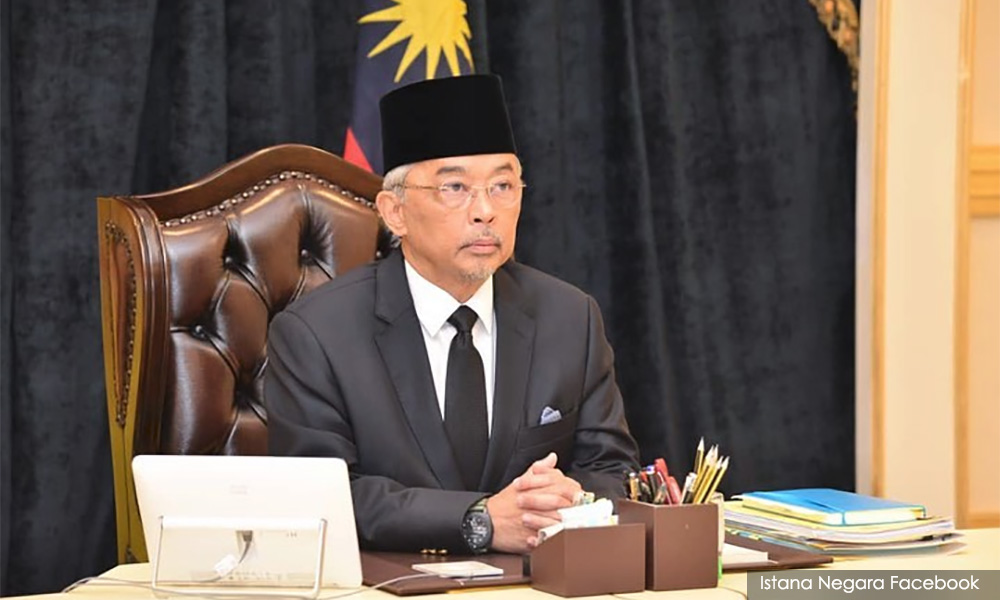
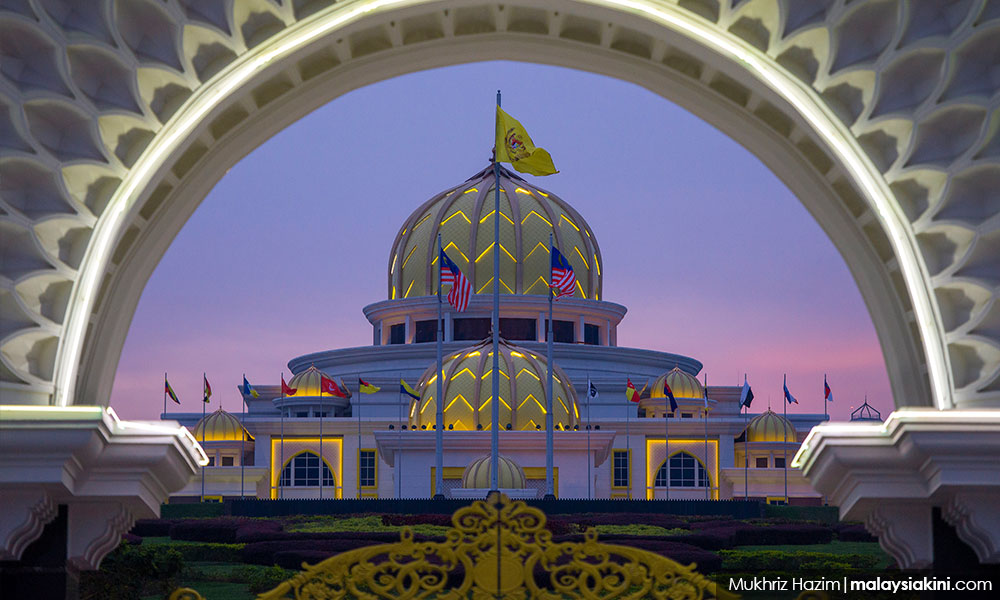
Political temperatures in the country have moved up a notch after news spread that the Yang di-Pertuan Agong was summoning party leaders for an audience this week.
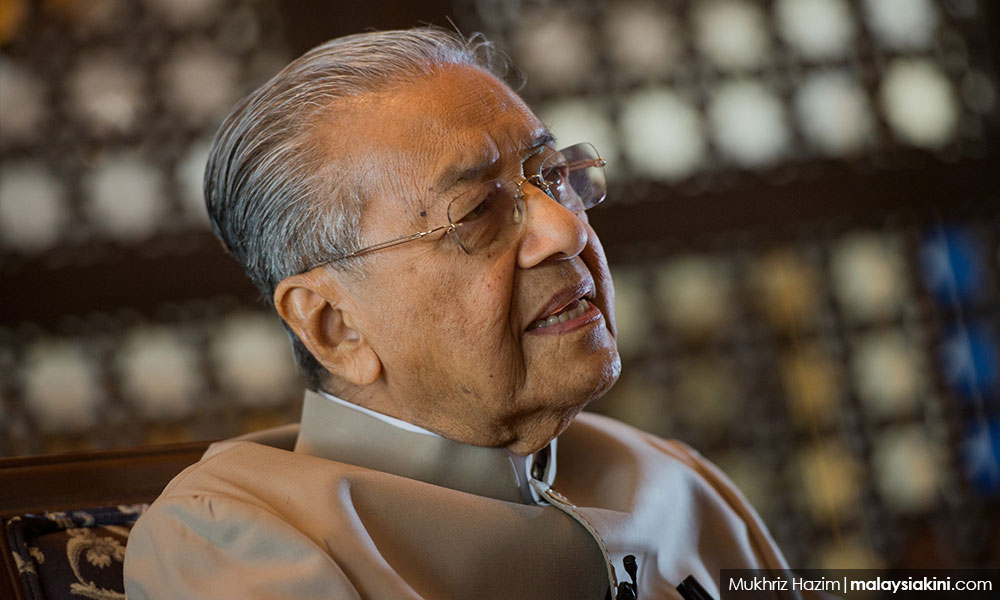
While there has been no confirmation from the palace, what was certain was that Dr Mahathir Mohamad - the leader of Pejuang, a party that is not even formally registered yet but has four MPs - had secured an invitation.
According to Bernama, Perikatan Nasional (PN) component parties said they were unaware whether their parties had received an invitation, while most Pakatan Harapan leaders, when contacted by Malaysiakini, had chosen to keep...
Political temperatures in the country have moved up a notch after news spread that the Yang di-Pertuan Agong was summoning party leaders for an audience this week.
While there has been no confirmation from the palace, what was certain was that Dr Mahathir Mohamad - the leader of Pejuang, a party that is not even formally registered yet but has four MPs - had secured an invitation.
According to Bernama, Perikatan Nasional (PN) component parties said they were unaware whether their parties had received an invitation, while most Pakatan Harapan leaders, when contacted by Malaysiakini, had chosen to keep mum.
The unusual nature of the purported meetings has attracted much speculation as to their purpose, since the palace is normally forthright about audiences granted to political leaders.
Moreover, a constitutional monarch is typically above politics.
However, the incumbent government's handling of the Covid-19 pandemic - tainted by a public health system on the brink and a Covid-19 death toll of 3,064 this year alone - has led to speculation on whether the palace has had second thoughts on who should be at the helm.
Tomorrow, Prime Minister Muhyiddin Yassin will be granted an audience by the Yang di-Pertuan Agong prior to a cabinet meeting, which usually starts at 9.30am.
Audiences with opposition figures, Malaysiakini understands, will take place thereafter.
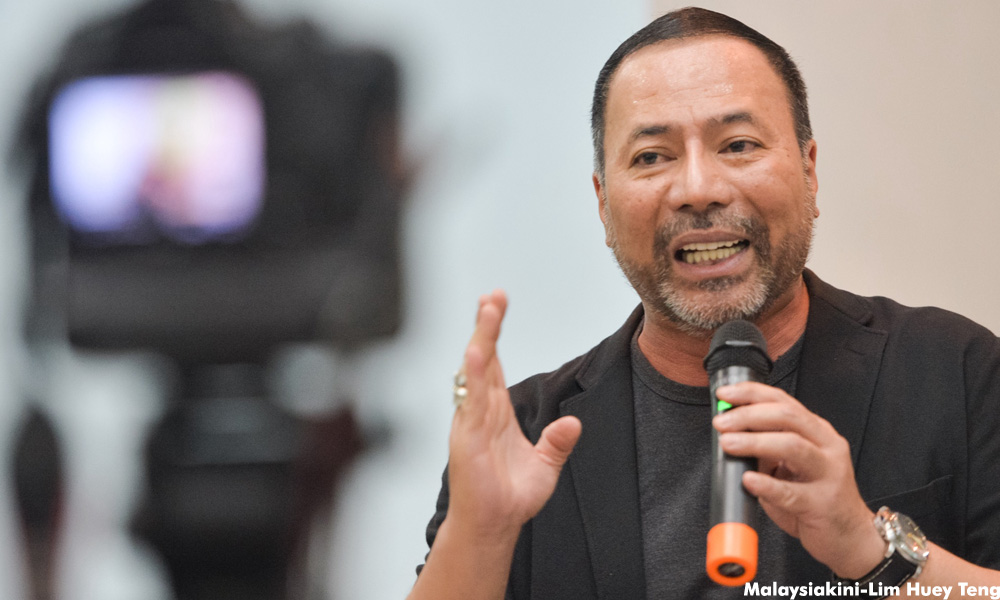
Senior fellow at Singapore Institute of International Affairs Oh Ei Sun believed that the unity government proposal might be on the cards.
"This is merely my speculation. If the ruler (wanted change), he could have done so by summoning the political leaders and evaluated how many seats they controlled," said Oh, who was once a political secretary to former prime minister Najib Abdul Razak.
The "unity government" idea or its derivatives has been mooted by several quarters, including Deputy Dewan Rakyat Speaker Azalina Said Othman because Muhyiddin's government has been viewed as unstable since Umno's support was no longer certain.
Oh believed a unity government, in whatever form, was a tall order, saying that Bersatu would not agree because such an arrangement would most likely entail them losing the premiership.
Umno and Harapan - with their different goals and ideologies - would also unlikely come to terms, he added.
Sociopolitical scientist Awang Azman Awang Pawi of Universiti Malaya believed the royal audience showed that the ruler responded to the grouses of the rakyat who want to end the Covid-19 pandemic soon.
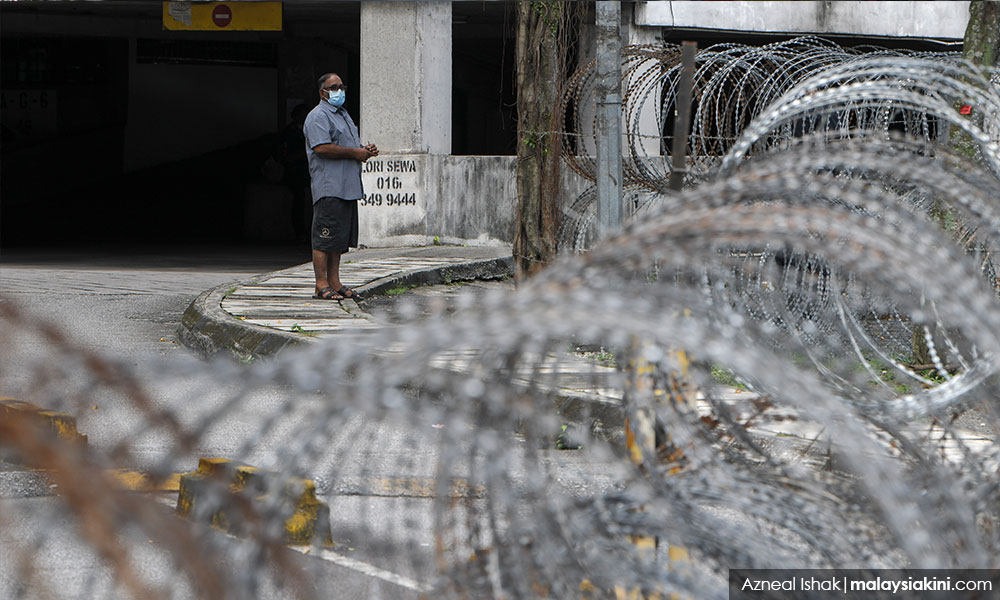
"The people want the ruler to intervene in the issue and to take action safeguarding the interest of the public and to preserve the harmony," he said.
He agreed with Oh that the issue of a new unity government may be brought up during the royal audience this week.
"It is possible. However, this is still a new idea, we cannot set our expectation so high and draw a conclusion," Awang added.
A unity government requires leaders to be magnanimous and prioritise public interest, he said.
Helen Ting, an associate professor of Universiti Kebangsaan Malaysia, urged Muhyiddin to hold bipartisan talks to discuss and resolve various issues faced by the country.
"The PN government and the opposition should probably work out a deal where everyone can agree this is not the best time to hold a general election," she said, adding that such a deal would ensure the country, which is caught in a political deadlock, will be able to move forward.
She said the bipartisan cooperation between both sides of the divide should continue until the next general election is called.


Report this comment
Are you sure you want to delete this comment?
This action cannot be undone.