


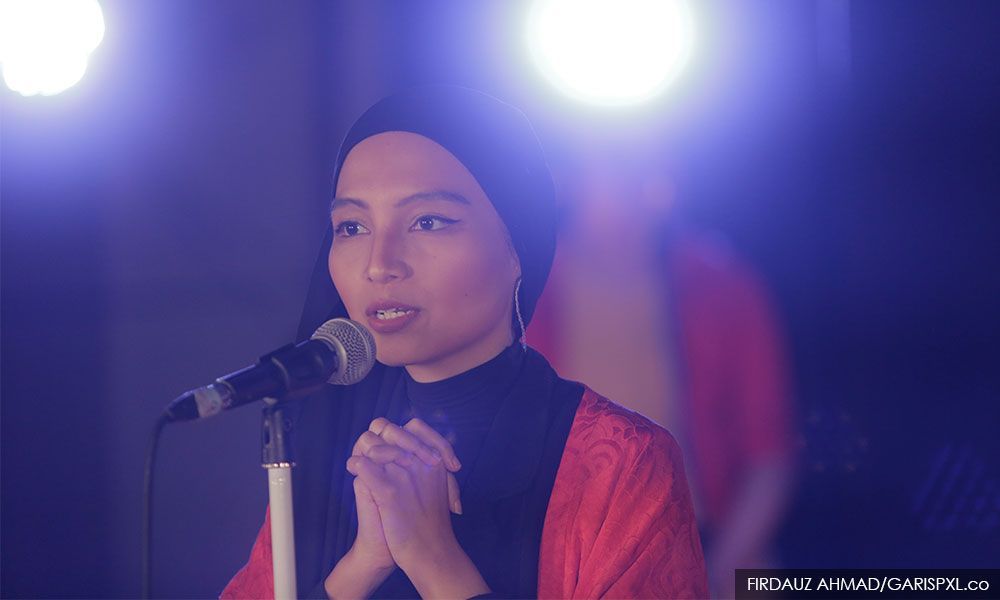

Lost income as Long Covid haunts writer a month after discharge
A month after she was considered recovered from Covid-19, musician and copywriter Wani Ardy found herself brushing her teeth with facial cleanser.
“I didn’t realise it at all. I took my facial cleanser, looked at it, put it on my toothbrush, but I didn’t register it as facial cleanser.
“When I was brushing my teeth, I couldn’t taste anything. It started bubbling. I was wondering why this toothpaste had more bubbles than before... then I realised I was brushing my teeth with my facial cleanser.”
Her mental slip-ups didn't stop at toiletries. Another day, she found herself parked outside of a shop, having no idea why she was there.
“I was supposed to go to the shop and get a big icebox for my ice cream. The moment I parked my car in front of the shop, I totally lost my memory of why I was here.”
She said what she experiences now is unlike before she was infected with Covid-19 when she would have instances where she would momentarily forget what she was supposed to do, but would be able to remember a second later.
The artiste may be experiencing “brain fog”, a condition where individuals experience disorientation and is a symptom of Post Covid-19 Syndrome, or popularly known as Long Covid.
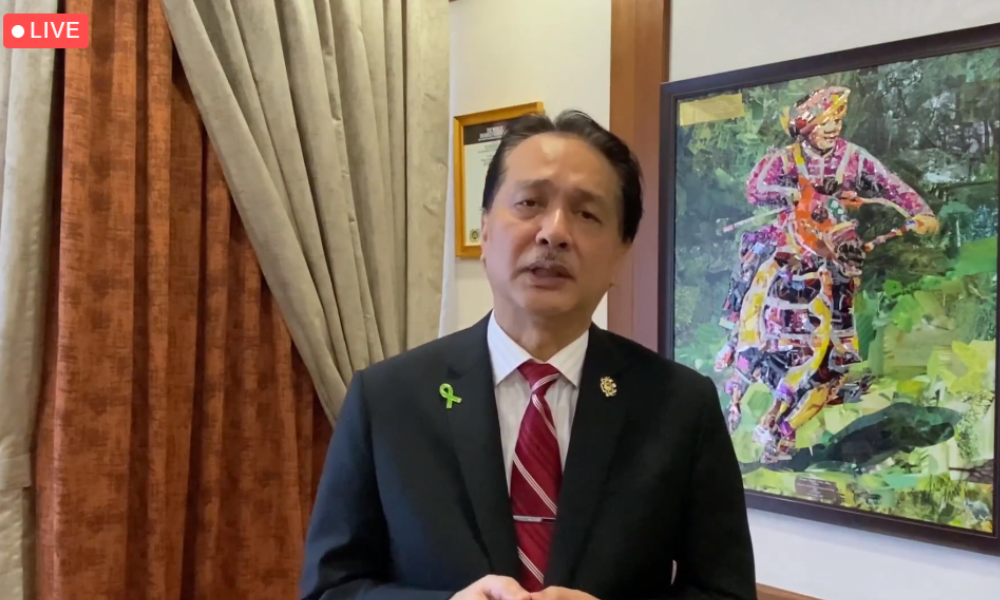
According to Health Ministry director-general Dr Noor Hisham Abdullah...
A month after she was considered recovered from Covid-19, musician and copywriter Wani Ardy found herself brushing her teeth with facial cleanser.
“I didn’t realise it at all. I took my facial cleanser, looked at it, put it on my toothbrush, but I didn’t register it as facial cleanser.
“When I was brushing my teeth, I couldn’t taste anything. It started bubbling. I was wondering why this toothpaste had more bubbles than before... then I realised I was brushing my teeth with my facial cleanser.”
Her mental slip-ups didn't stop at toiletries. Another day, she found herself parked outside of a shop, having no idea why she was there.
“I was supposed to go to the shop and get a big icebox for my ice cream. The moment I parked my car in front of the shop, I totally lost my memory of why I was here.”
She said what she experiences now is unlike before she was infected with Covid-19 when she would have instances where she would momentarily forget what she was supposed to do, but would be able to remember a second later.
The artiste may be experiencing “brain fog”, a condition where individuals experience disorientation and is a symptom of Post Covid-19 Syndrome, or popularly known as Long Covid.
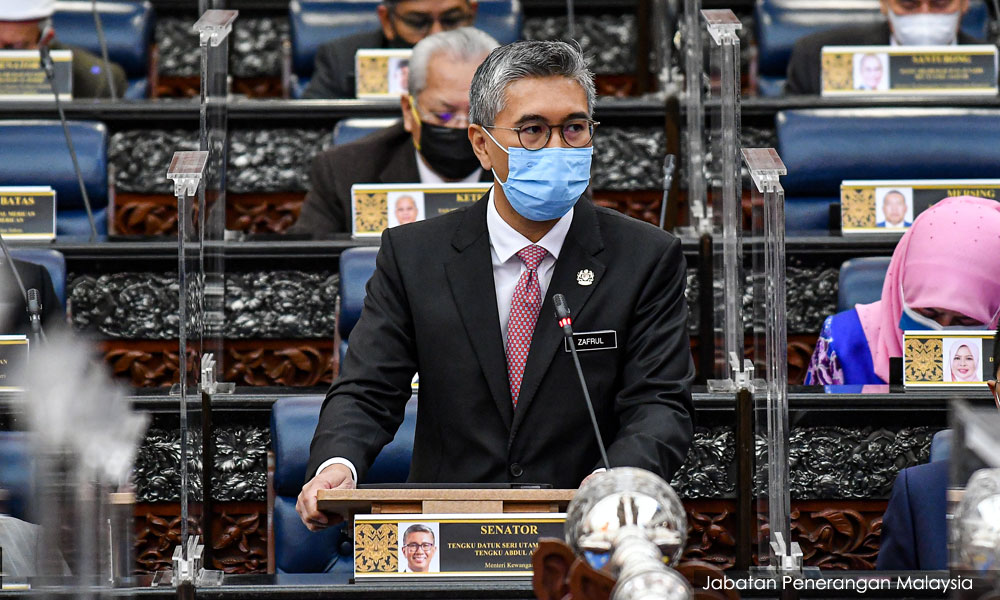
According to Health Ministry director-general Dr Noor Hisham Abdullah, a minority of patients declared free of Covid-19 could still display symptoms like fatigue, difficulty breathing when carrying out activities, sleeping disorders, coughing, and anxiety for 12 weeks or more after being discharged.
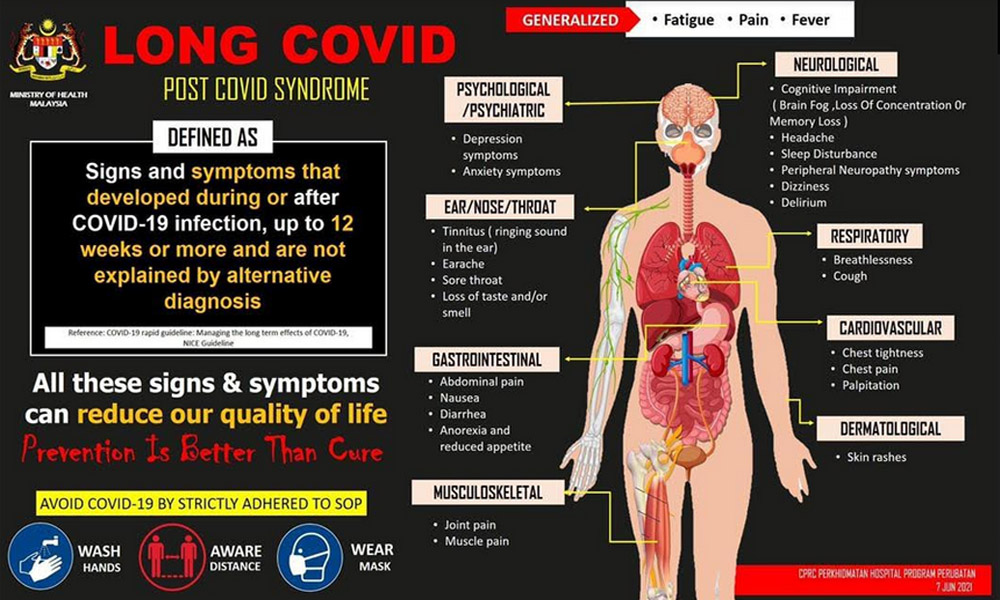
The United States Centers for Disease Control and Prevention (CDC) also lists brain fog among the symptoms of Long Covid.
“Unlike some of the other types of post-Covid-19 conditions that only tend to occur in people who had severe illness, these symptoms can happen to anyone infected with Covid-19, even if the illness was mild, or if they had no initial symptoms,” it said.
Loss of income
For Wani, it means having to relearn basic routines in her daily life - something she likens to the protagonist of the movie 50 First Dates, whose short-term memory is erased every day.
“The other day, for 15 minutes I struggled to turn on the engine of my car because I was using my house key. I was forcing my house key into my car and wondering why it was not working.
“I had to sit down and take a deep breath, (because I was) thinking that something was going wrong. Only after a good 15 minutes that I realised I was using my house key.”
Her disorientation has meant that the freelance copywriter has been unable to work, putting a strain on her finances.
“I’m a writer, or at least I used to be before this affected me. I cannot write anymore.
“I’m losing my writing jobs because I cannot stay in front of my laptop and focus on my writing,” said Wani, who received her first Covid-19 vaccine dose on June 5.
To make ends meet, Wani has resorted to selling ice cream which she sources from a supplier.
It does not pay as much as copywriting, she said, but it is something she can do, for now.
“I was thinking that I have to do something that makes me move instead of sitting in front of the laptop and maybe that will help.”
Besides brain fog, Wani has experienced dizziness, difficulty sleeping, ringing in her ears, a loss of taste and smell, as well as chest tightness since she was declared free of Covid-19.
“Of course I expected Long Covid symptoms like chest pain and difficulty to breathe, dry cough, and things like that.
“I don’t have a problem with those symptoms because they are all curable. The part that I didn’t think about or educate myself on was the brain fog.”
Living with Mayer-Rokitansky-Küster-Hauser (MRKH) syndrome, Wani only has partial hearing abilities.
This means she has to rely more on her other senses, but this is difficult now that she does not have the ability to taste or smell.
“I thought that not being able to taste and smell would be a lot like the flu, but it's nothing like that. It’s beyond that.
“It is something that I have never experienced before. It makes you realise the little things you took for granted.”
Since being discharged, she has also had to rely on an inhaler daily to help with breathing, with her doctor advising that it could take another six months for things to get back to normal.
Mental health challenges
Her physical limitations from Long Covid have also impacted her mental health, which was already impaired from her unexpected long stay in the hospital, Wani added.
She first sought hospital treatment the day after receiving her first dose of the Covid-19 vaccine, because she was experiencing a severe reaction.
It was later found she had a high level of blood infection and she was admitted for 10 days. It was there that she was infected with Covid-19.
Already struggling with anxiety before Covid-19, she believes her experience of being infected in the hospital exacerbated her condition.
“I have been having nightmares almost every night. My husband is the one who told me because he always finds me moving frantically and crying in the middle of the night.
“I feel afraid to see my psychiatrist because I’m traumatised by hospitals right now as they feel like war zones.”
Still, Wani believes things are looking up.
Slowly, her sense of taste and smell is returning and she no longer endures dry coughs.
But the brain fog is still a constant struggle.
In retrospect, she said she could have prepared better if she knew the impact Covid-19 would have on her mind and mental health.
“I felt like people were talking more about the physical health side and not enough about the mental health side of Long Covid.
“Society needs to be educated on the mental effects of Long Covid,” she added.



Are you sure you want to delete this comment?
This action cannot be undone.