


PM tables 12th Malaysia Plan, RM400b allocated for development
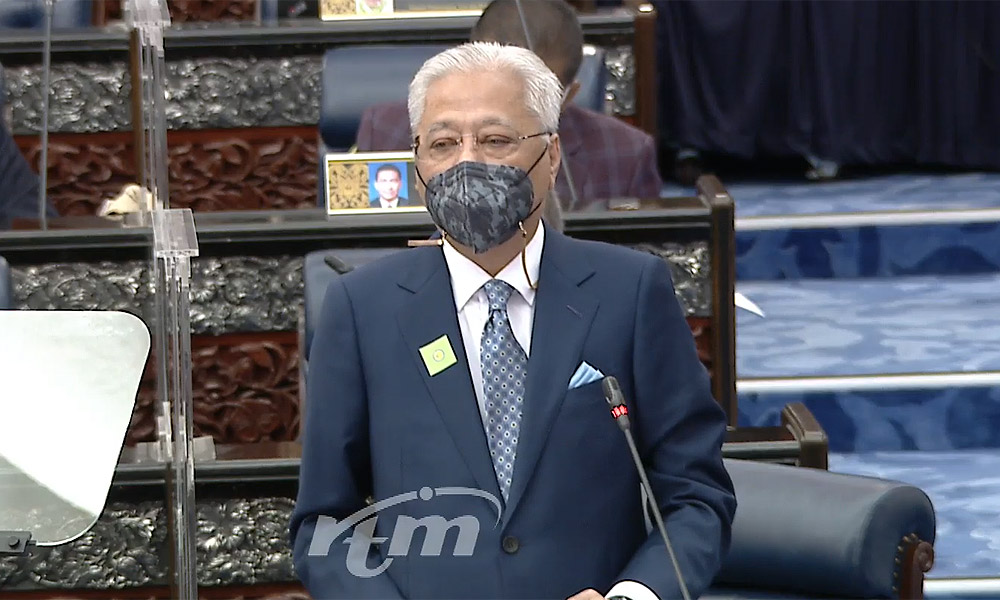
PARLIAMENT | Prime Minister Ismail Sabri Yaacob has tabled the 12th Malaysia Plan (12MP) in the Dewan Rakyat today, announcing that the government will allocate RM400 billion for existing and new development projects.
Among the main objectives are a targeted growth for the GDP of between 4.5 and 5.5 percent a year in the five-year period of the 12MP, an average household income of RM10,000 a month by 2025, a narrowed gap between the GDPs of Peninsular Malaysia...
PARLIAMENT | Prime Minister Ismail Sabri Yaacob has tabled the 12th Malaysia Plan (12MP) in the Dewan Rakyat today, announcing that the government will allocate RM400 billion for existing and new development projects.
Among the main objectives are a targeted growth for the gross domestic product (GDP) of between 4.5 and 5.5 percent a year in the five-year period of the 12MP, an average household income of RM10,000 a month by 2025, a narrowed gap between the GDPs of Peninsular Malaysia and Sabah and Sarawak as well as the reduction of greenhouse gas emissions.
Ismail Sabri said the Covid-19 pandemic had forced the government to focus less on development projects, placing priority instead on overcoming the health crisis.
He added that the government guarantees to reduce bureaucracy, provide quality infrastructure and strengthen the ecosystem to support private investment to help economic growth.
Under the plan, the growth of high-impact strategic industries and medium and small-medium enterprises (SMEs) will be given a boost and enhanced.
He also said the government was committed to eradicating hardcore poverty as well as reducing the income gap.
The 12MP is expected to make Malaysia a high-income and high-tech country by 2025, he added.
Ismail Sabri described the plan as a holistic one and said it will focus on nine main areas.
The nine main areas are as follows:
1. Resetting the economy
Ismail Sabri said the focus will be on the growth of high-impact and strategic industries such as aerospace, electric and electronic, global services, halal industry, tourism and so on.
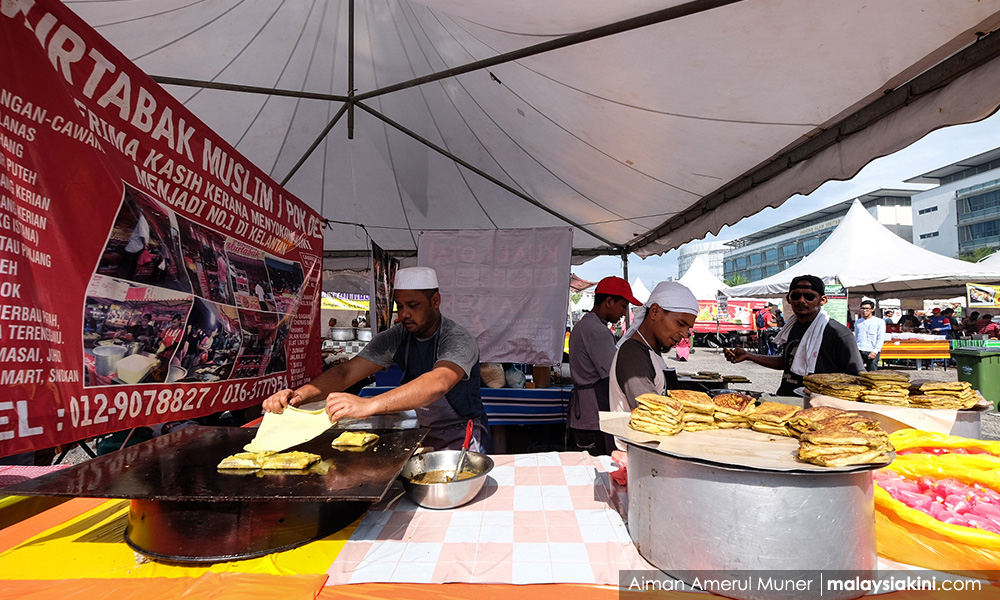
SMEs will also be strengthened through several new programmes and projects approved under the 12MP, among others.
2. Restoring growth momentum
The country will move towards digitalisation across industries, and work on developing its own technology as part of the shift to the Industrial Revolution 4.0, said Ismail Sabri.
More public and private allocations have been given to improve the 4G network coverage nationwide as well as to hasten the implementation of the 5G network, he added.
The government will also work to provide international standards accreditation to local gig economy platforms to improve their global competitiveness as well as come up with a framework to ensure the welfare of the employees and the interests of other relevant stakeholders.
3. Improving the wellbeing of the Malaysian family
The premier informed that the government is finalising a plan that will enable Malaysia to produce its own vaccines and that there will be an infectious diseases institute built in Bandar Enstek, Negeri Sembilan, by 2022 to prepare for future pandemics.
He also said the public healthcare system will be improved with the addition of more beds and medical equipment, among others.
The 12MP will also focus on providing affordable housing for the rakyat.

4. Strengthening security and public defence
The construction of several new military base and camps, among others, will be completed during the 12MP, and more houses are being built for soldiers and their families.
5. Eradicating poverty and closing the income gap
There will be new government officers appointed to handle matters related to poverty at the district level, which Ismail Sabri hoped will help eradicate poverty by 2025.
Targeted assistance will continue whereas efforts will be made to reduce the cost of living.
6. Empowering bumiputera and Malaysian family agenda
Ismail Sabri gave his assurance that the bumiputera agenda will be empowered in line with Article 153 of the Federal Constitution.
The competitiveness and sustainability of bumiputera businesses will be improved through new initiatives, and the government is targeting for bumiputera SMEs to be able to contribute 15 percent of the country’s GDP by 2025.
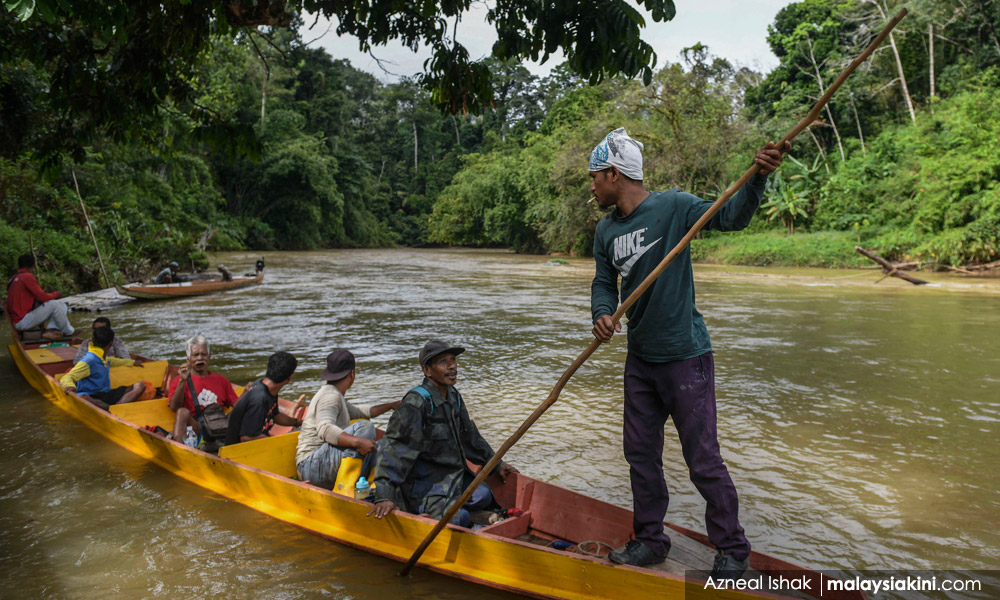
Ismail Sabri also noted that many Orang Asli households are part of the B40 group, and as such, quality education is essential to uplift the Orang Asli community.
Low-income Chinese households, specifically those in new villages, will enjoy improved access to the special loan scheme for new villages’ residents.
Low-income Indian households will be supported through skills training and targeted financial assistance, among others.
The prime minister noted that bumiputera corporate equity shares have yet to reach the targeted minimum of 30 percent.
As such, he said, a safety net framework will be introduced so that the sale of bumiputera shares and companies can only be offered to other bumiputera companies, consortiums or individuals.
7. Enhancing socio-economic development in Sabah and Sarawak
The government is committed to resolving Sabah and Sarawak’s issues including basic infrastructure needs, gas and electric monitoring as well as digitalisation and security matters, Ismail Sabri said.
Aside from Sabah and Sarawak, he noted that other states with slow GDP growth are Kedah, Kelantan, Perlis and Terengganu.
As such, at least 50 percent of the entire Federal Basic Development funds will be distributed to those states.
8. Advancing green growth
Malaysia pledges to reduce the intensity of greenhouse gas emissions to 45 percent of the GDP in line with its aspirations to become a low-carbon country.
Ismail Sabri said the government is also committed to turning Malaysia into a carbon-neutral country as early as 2050.

A comprehensive National Energy Policy will be introduced to prepare a strategic long-term plan to support these aspirations.
9. Increasing efficiency of public services and effective policy implementation
To reduce bureaucratic red tape, the structures and functions of ministries and government agencies will be rearranged, Ismail Sabri said.
The government will also ramp up the digitalisation of public services, among others.







Report this comment
Are you sure you want to delete this comment?
This action cannot be undone.