



Govt called to close gender gap in the coming Budget 2022
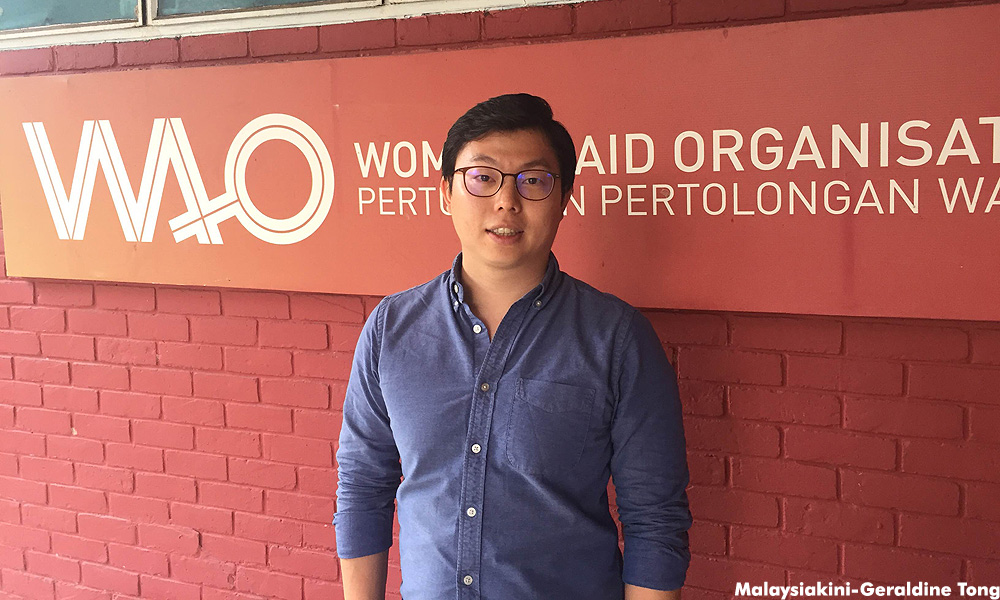
Closing the gender gap between men and women needs gender-responsive policies in the forthcoming Budget 2022, Women's Aid Organisation (WAO) deputy director Yu Ren Chung said.
“Usually, a gender-responsive budget should bring benefit to everyone, regardless of their gender.
“However, the reality is that there is a gender gap. If we use a gender-responsive approach in the budget...
Closing the gender gap between men and women needs gender-responsive policies in the forthcoming Budget 2022, Women's Aid Organisation (WAO) deputy director Yu Ren Chung said.
“Usually, a gender-responsive budget should bring benefit to everyone, regardless of their gender.
“However, the reality is that there is a gender gap. If we use a gender-responsive approach in the budget, women benefit because they have been unfairly left behind.
“We are correcting a gap,” Yu (above) said during a panel discussion today.
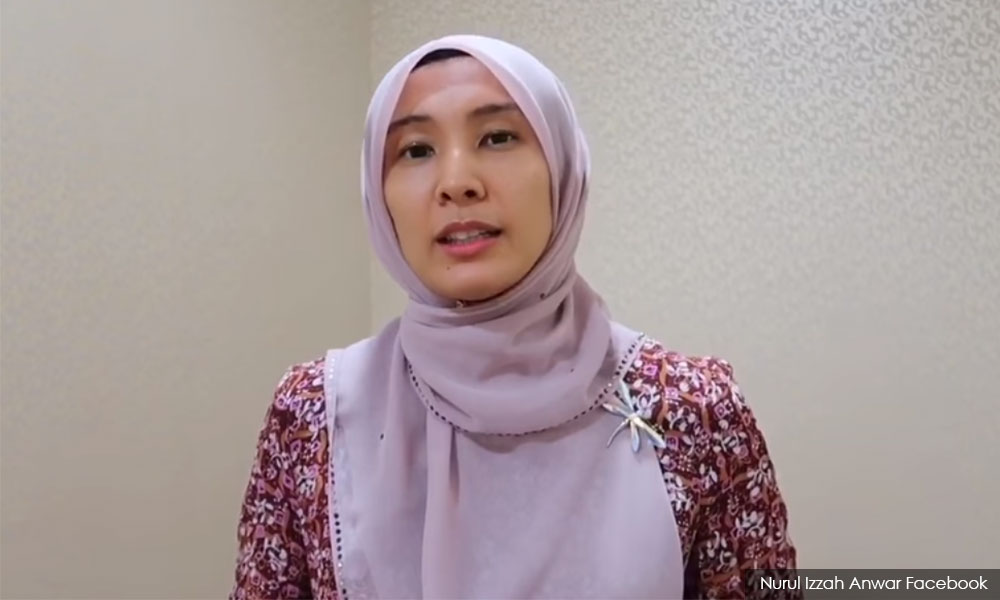
The discussion, titled "Gender Implications of the Multidimensional Poverty Index: Proposed Gender Responsive Policies" was hosted live by Permatang Pauh MP Nurul Izzah Anwar on Facebook.
It was held in conjunction with the introduction of a new Multidimensional Poverty Index (MPI) developed by former Universiti Malaya economics professor Fatimah Karias.
The MPI is meant to be an alternative and realistic method of measuring poverty in Malaysia and is based on a four-month study determining the extent of the pandemic’s impact on vulnerable groups.
The panel was also attended by Khazanah Research Insitute deputy director of research Hawati Abdul Hamid and Asian Business School assistant economics lecturer Melati Nungsari.

Nurul Izzah talked about what policies she would like to see in Budget 2022 and called for gender-based perspectives.
She also called for progressive taxation to finance aid for Malaysians.
Yu said while wage subsidies were necessary during a pandemic, it was not sufficiently distributed between men and women due to the low labour force participation among women.
“Women’s labour force participation is about 55 percent compared to 80 percent for men. Additionally, the women who do participate usually work in the informal sector — which does not qualify them for wage subsidies,” he said.
Therefore, he said, there needed to be more creative reforms to allow women to benefit from these policies, such as focusing on women in informal sectors.
Meanwhile, Hawati said informal sectors were divided into two: those working in unregistered companies such as petty traders, and those who work in formal sectors under contracted services, which do not grant them social protection.
“Right now the enforcement of social protection is dependent on the employer towards the employee. When that relationship gets blurred, the responsibility for protection falls onto the employee.
“As we know, the nature of work in the informal sectors generates irregular income.
“Hence, we need to rethink the model of social insurance, to be more adaptive when facing these challenges,” Hawati said.
Progressive taxation for those who benefited in pandemic
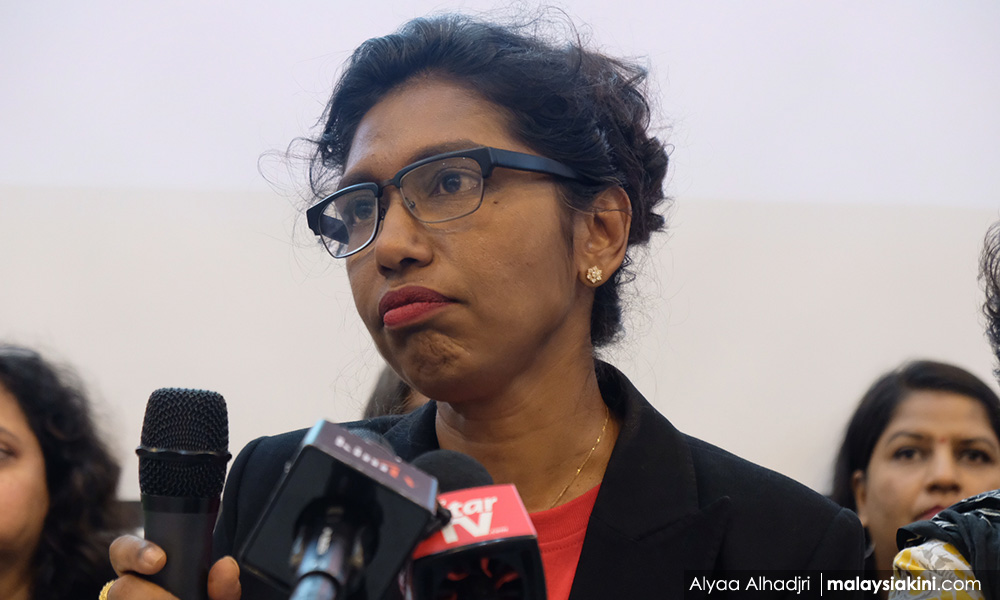
The adverse effects of the pandemic have also led to the need for progressive taxation in order to rebuild society, according to Melati.
While many Malaysians have lost their homes during the pandemic, Melati said there were also businesses and individuals who made a lot of profit over the course of the last two years.
“Thus, the government should implement progressive taxation in order to give back (to society).
“This isn’t about taking from the rich and giving to the poor, like Robin Hood, but it is to develop society for our children and grandchildren to live in a society that we are proud of.
“Even though it isn’t politically popular, it is the way to move forward,” Melati added.
Nurul Izzah chimed in, saying that the time to be “politically correct” was over and that there was a need for a compassionate society instead.
“For me, it is important not to just have a fiscal balance, but to be compassionate,” the lawmaker said.




Report this comment
Are you sure you want to delete this comment?
This action cannot be undone.