


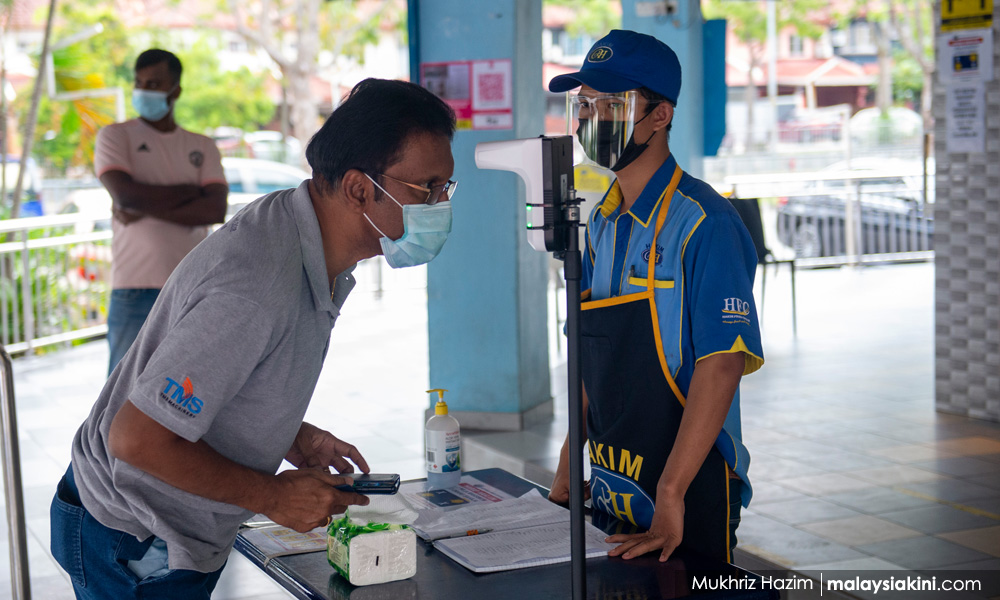

MOH proposes doing away with temperature checks, visitor logbooks
The Health Ministry has proposed doing away with temperature checks and visitor logbooks at the entry points of public venues.
These proposals will soon be presented to the National Security Council (NSC), the authority on Covid-19 standard operating procedures (SOPs).
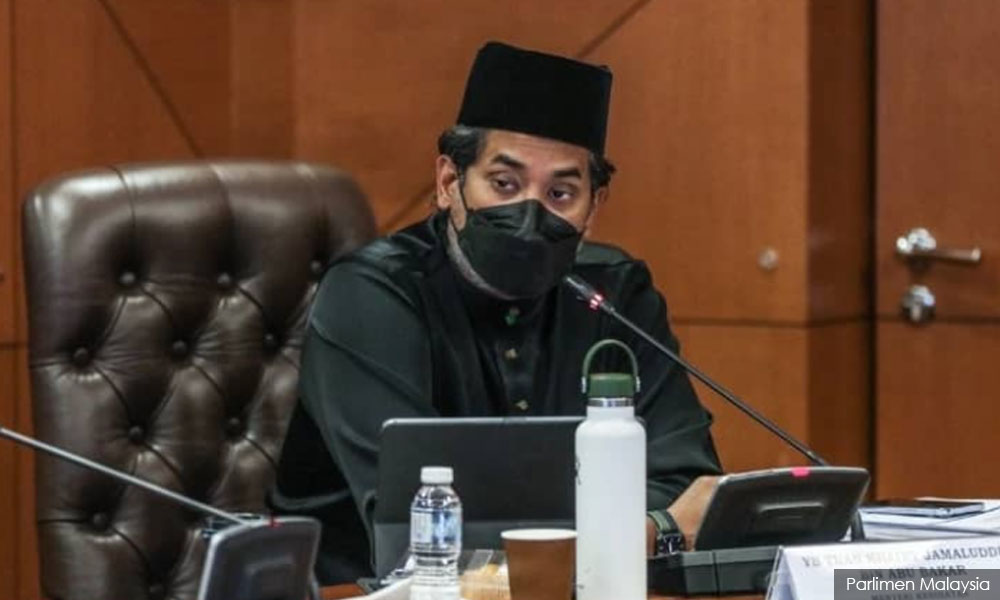
In a press conference this evening, Health Minister Khairy Jamaluddin said...
The Health Ministry has proposed doing away with temperature checks and visitor logbooks at the entry points of public venues.
These proposals will soon be presented to the National Security Council (NSC), the authority on Covid-19 standard operating procedures (SOPs).
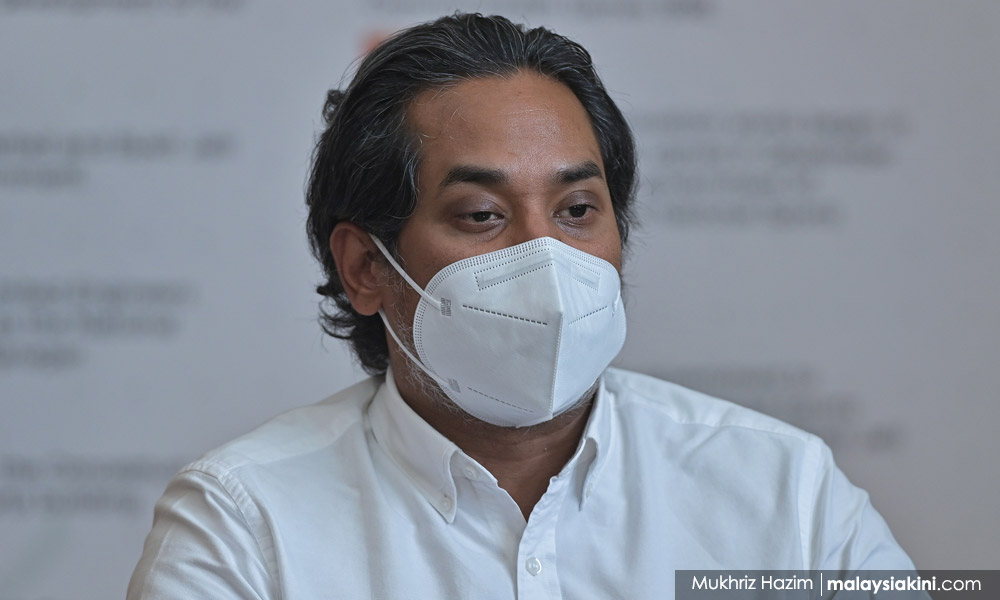
In a press conference this evening, Health Minister Khairy Jamaluddin said temperature checks were not found to be effective in curbing the spread of Covid-19.
Furthermore, having a high temperature did not necessarily mean a person had the infection.
“We have looked at it and in actual fact, it (temperature check) is not a way of preventing the spread of Covid-19. There is no correlation, so to speak.
“The advice is if you are unwell and have symptoms, do not go out. We don’t need to test everyone’s temperature,” he said.
As for the physical visitor logbooks, Khairy said they were not useful for contact tracing.
“We will suggest to the NSC to do away with the books because I can tell you that we don’t use the books for contact tracing.
“I’m sure they (contact tracers) have used it (the books) but not extensively,” he said.
MySejahtera recently rolled out “MySJ Trace”, an optional contact-tracing function in the application that uses Bluetooth technology to provide live information on interactions between close contacts.
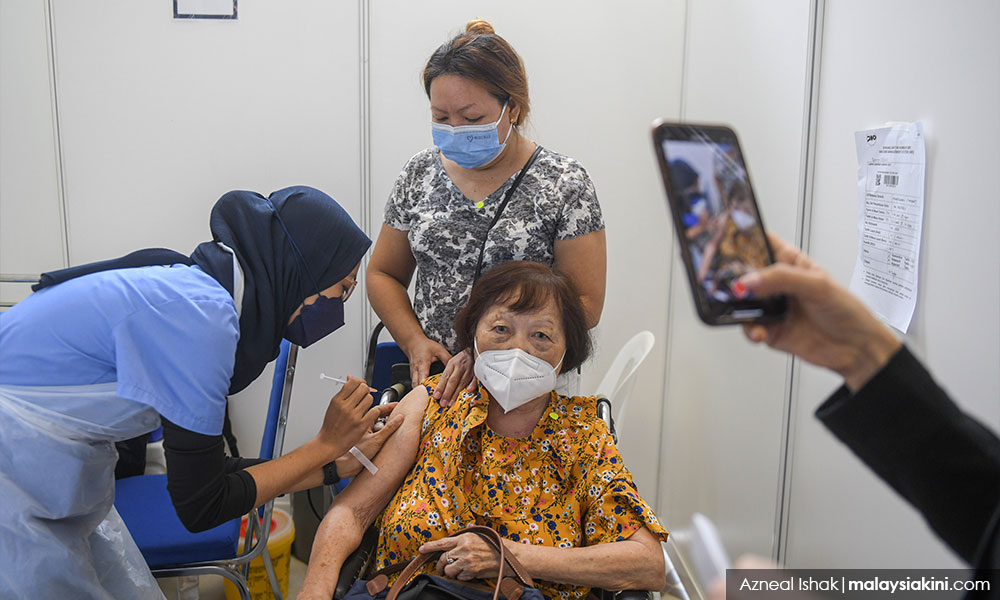
Khairy clarified that existing SOPs at public spaces remain, including the need to “check in” using MySejahtera upon entry, show one’s vaccination status when asked, wear facemasks except when eating and observing physical distancing.
Less severe Omicron wave soon
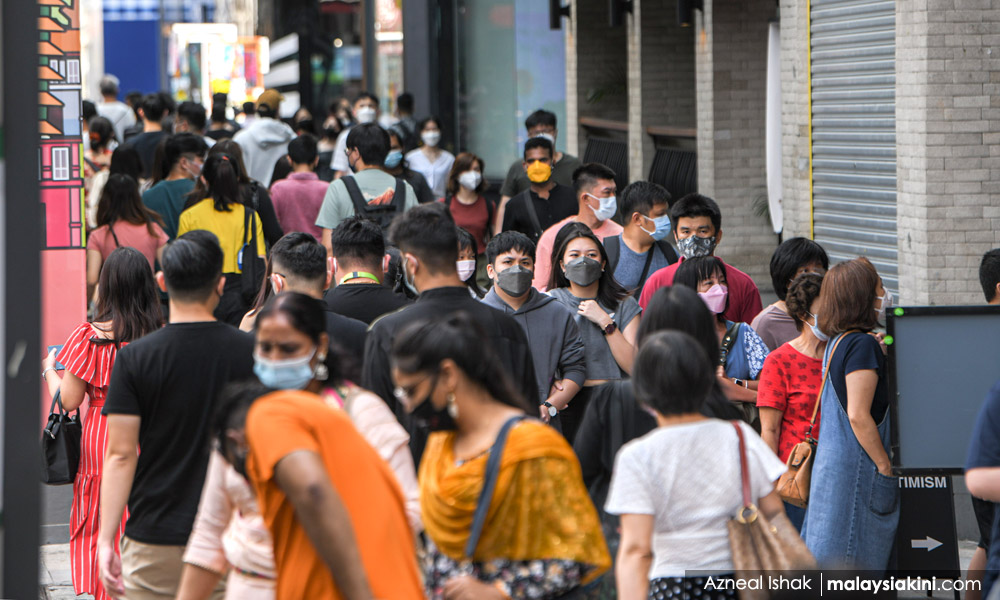
Meanwhile, the minister shared that an Omicron wave of cases was expected in the coming two months but does not expect it to overwhelm the healthcare system.
“The modelling that we do in the ministry suggests that Omicron cases, and cases in general, will rise in February and March.
“What we are seeing, however, is that the cases are not serious, or not as serious as the Delta (wave). So we have not seen a corresponding rise in hospitalisations, certainly not in deaths and admissions into intensive care units (ICU).
“For now, our assumption of Omicron is of course it will create a wave of cases probably in February or March but so far, all indications are that the strain on the healthcare system will not be as bad as the Delta wave,” he explained.
Khairy further shared that “more than 90 percent” of imported infections presently were of the Omicron strain.
“It will be a matter of time before Omicron overtakes Delta in the local cases,” he added.



Are you sure you want to delete this comment?
This action cannot be undone.