


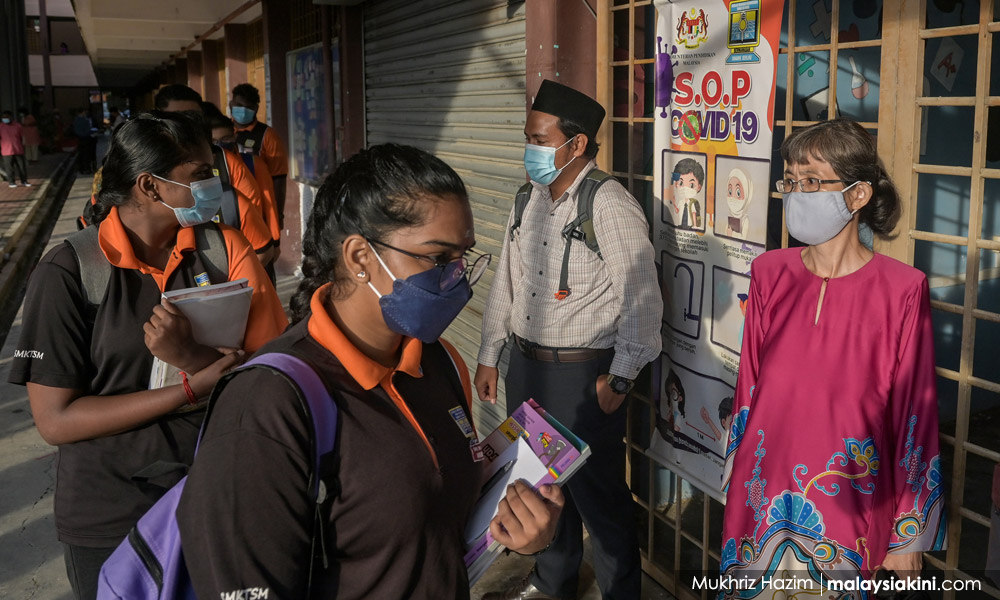

No blanket boarding school closures despite Covid-19 clusters - KJ
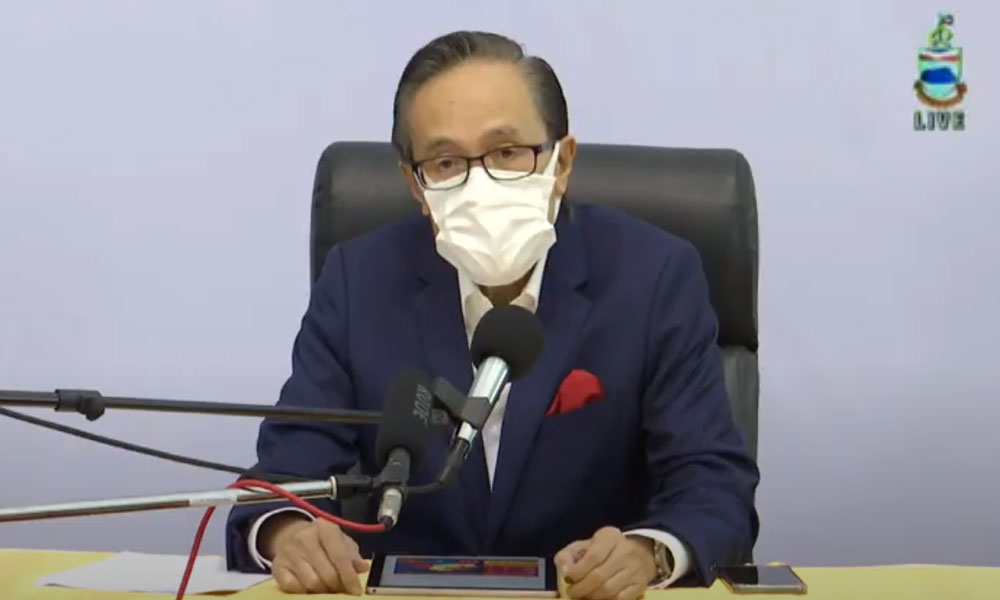
The Health Ministry has no plans to order all boarding schools to close despite the rising number of Covid-19 clusters reported at such schools.
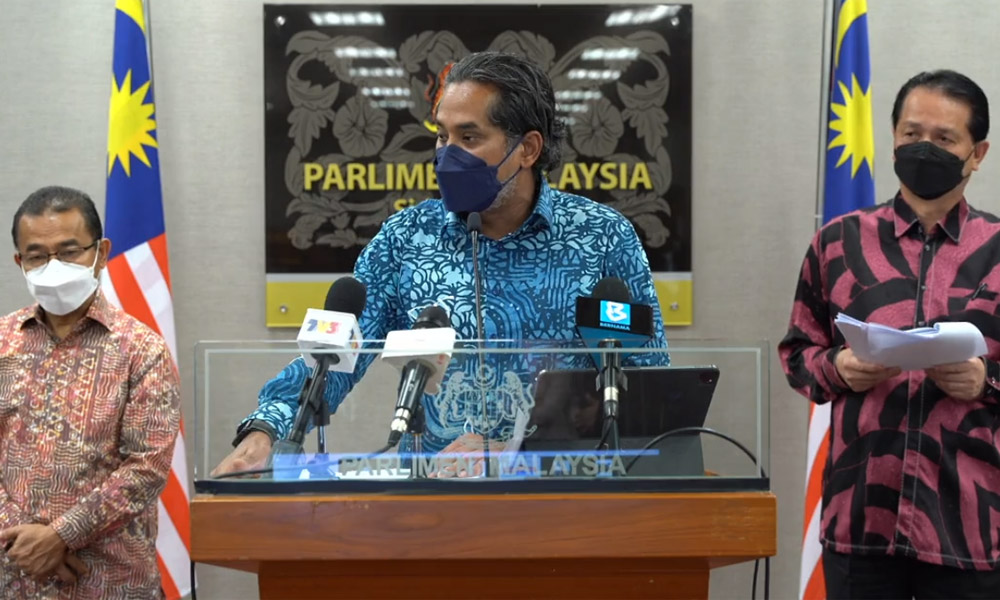
At a press conference today, its minister Khairy Jamaluddin said there are 52 education clusters since schools reopened this year. There were 15 clusters reported during the first week of schooling starting Jan 9 or 10, rising to 33 new clusters on the second week.
Thirty (57.7 percent) of the clusters have...
The Health Ministry has no plans to order all boarding schools to close despite the rising number of Covid-19 clusters reported at such schools.
At a press conference today, its minister Khairy Jamaluddin said there are 52 education clusters since schools reopened this year. There were 15 clusters reported during the first week of schooling starting Jan 9 or 10, rising to 33 new clusters on the second week.
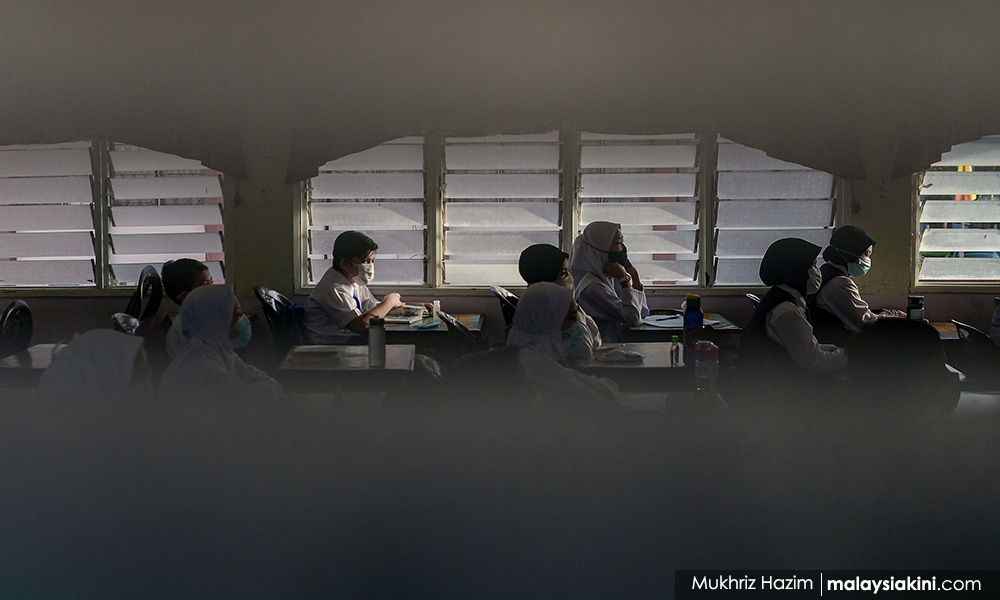
Thirty (57.7 percent) of the clusters have affected secondary schools, of which 27 (90.0 percent) are boarding schools.
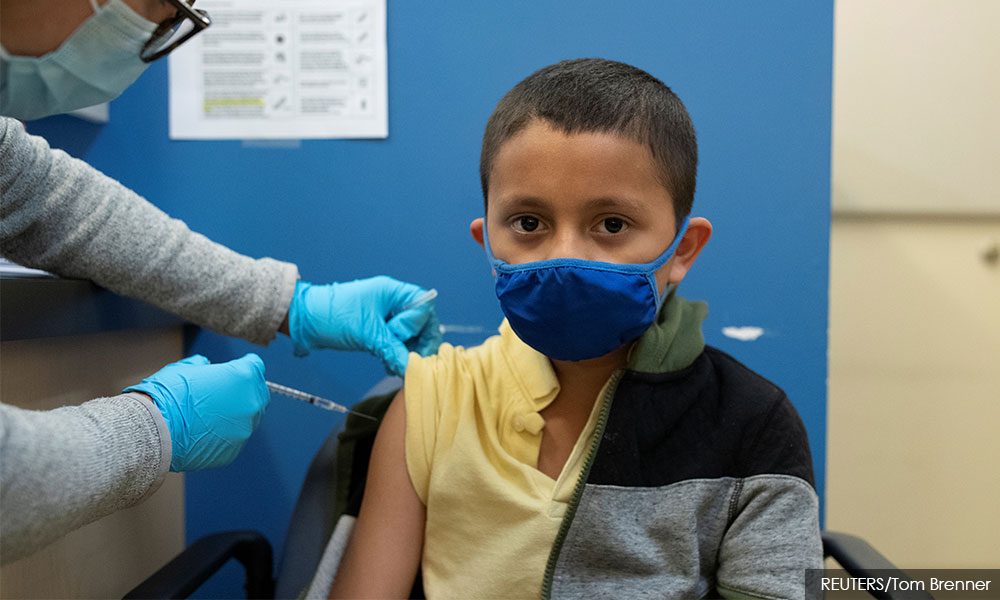
When asked whether this means boarding schools would need to be closed, however, Khairy said ‘no’ and pointed to the high vaccination rate of 88.2 percent among adolescents.
“So, I don’t see a need to make a blanket ruling for all boarding schools to close. I think that would be a step backwards.
“We will take mitigation action on the clusters, but to say there are no more admissions to boarding schools, no. As has been said before, before Omicron, we were transitioning toward the endemic phase.
“So, let’s not make things difficult for the students and their parents. We want the schools to open, we want the kids to be at school.
“We have to progress forward. We must have faith in the effectiveness of vaccines and other public health measures. It’s manageable,” he told reporters at the Parliament building today.
For the 52 education clusters identified so far this year, there are 44 clusters where the index case is a student, five clusters where the index case is a teacher or lecturer, and three clusters where the index case is a support staff member at the institution.
Initial investigations have revealed a long list of risk factors associated with these clusters, including poor ventilation such as the lack of exhaust fans in air-conditioned rooms, hostel windows being kept closed and so on.
Other risk factors include failure to adhere to Covid-19 standard operating procedure during and after formal school hours, “non-optimal” masking behaviour in the hostels, lack of physical distancing during spiritual activities, late detection of symptomatic individuals, students quarantined at school breaching quarantine, and teachers turning up for classes despite showing symptoms.
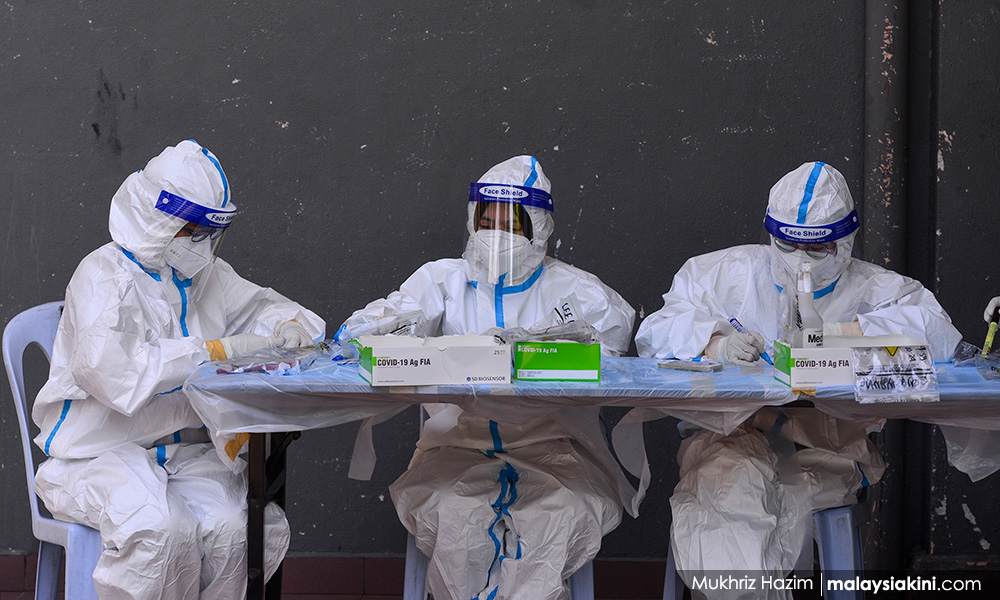
Khairy said the ministry is reminding the education sector to screen their students and staff for symptoms before allowing them to enter their school and institution and to conduct regular testing in line with the National Covid-19 Testing Strategy.
Parents are reminded to monitor their children’s health and not send them to school if they are ill, while district health officers are to conduct risk assessments if informed of a Covid-19 case at schools or other educational institutions.
“I have discussed with the education minister earlier and we have agreed to focus on boarding schools to ensure these clusters do not increase,” he added.
He added that the appearance of these clusters may also be due to students just starting to return to their hostels.


Report this comment
Are you sure you want to delete this comment?
This action cannot be undone.