



Tawau MP: Time to break gender inequality in political leadership
Former Sabah deputy chief minister Christina Liew has described this year's International Women's Day (IWD) theme - 'Break The Bias' - as most apt and meaningful, because Malaysian women are still grossly underrepresented in political leadership.
Despite Dr Wan Azizah Wan Ismail’s brief stint as deputy prime minister during the Pakatan Harapan administration, virtually all top leadership posts at the federal and state levels are held by men.
The current government of Prime Minister Ismail Sabri Yaakob...
Former Sabah deputy chief minister Christina Liew has described this year's International Women's Day (IWD) theme - 'Break The Bias' - as most apt and meaningful, because Malaysian women are still grossly underrepresented in political leadership.
Despite Dr Wan Azizah Wan Ismail’s brief stint as deputy prime minister during the Pakatan Harapan administration, virtually all top leadership posts at the federal and state levels are held by men.
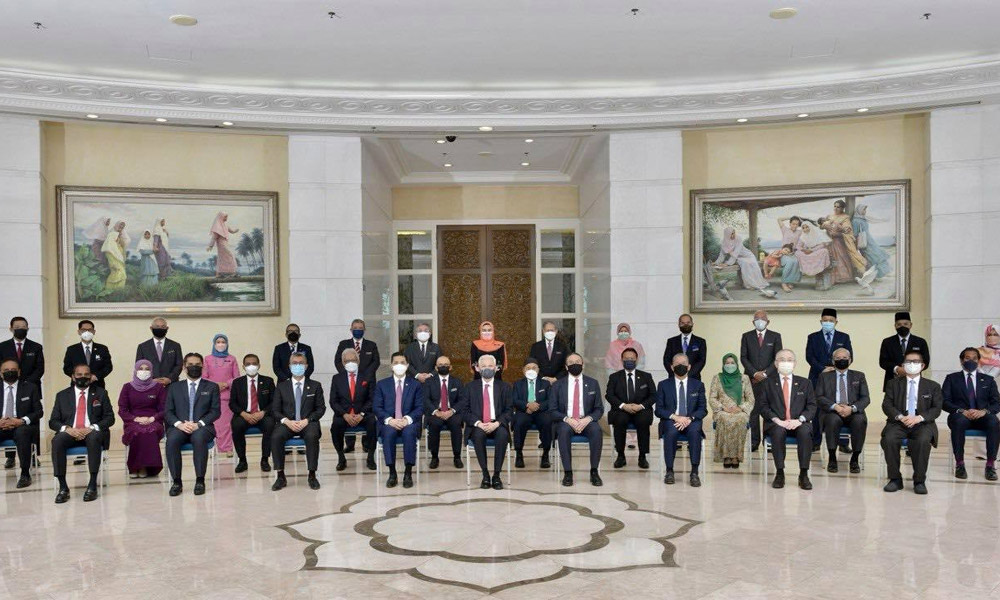
The current government of Prime Minister Ismail Sabri Yaakob has a cabinet of 37 individuals, with only five of them being women, while all state governments are led by men.
"We don't deny that Malaysia has successfully implemented the government's policy of 30 percent target for women's participation in decision-making in the public sector.
"However, the same cannot be said of the situation in the male-dominated political arena where women are grossly under-represented in the Parliament and state legislatures.
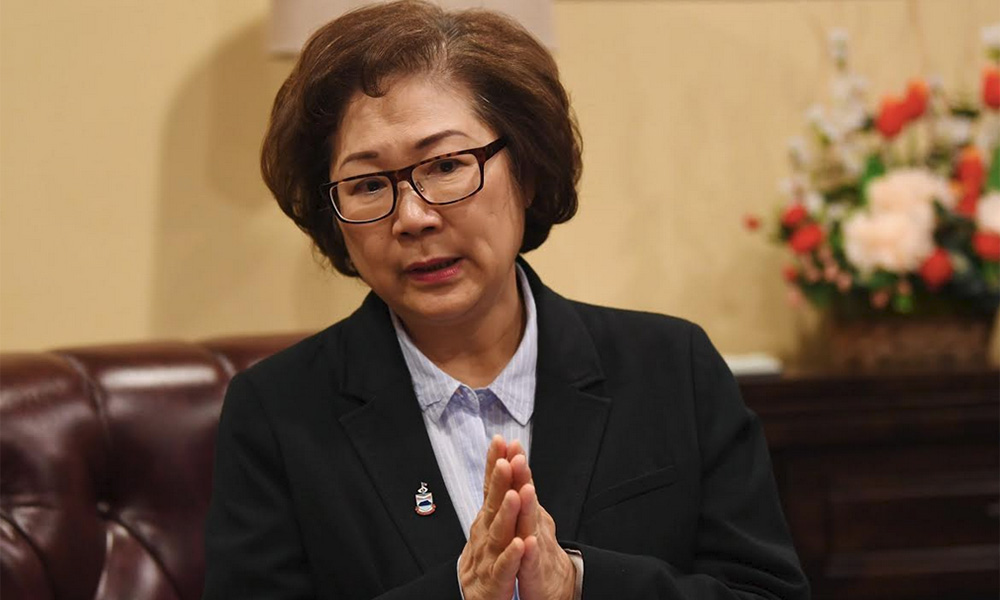
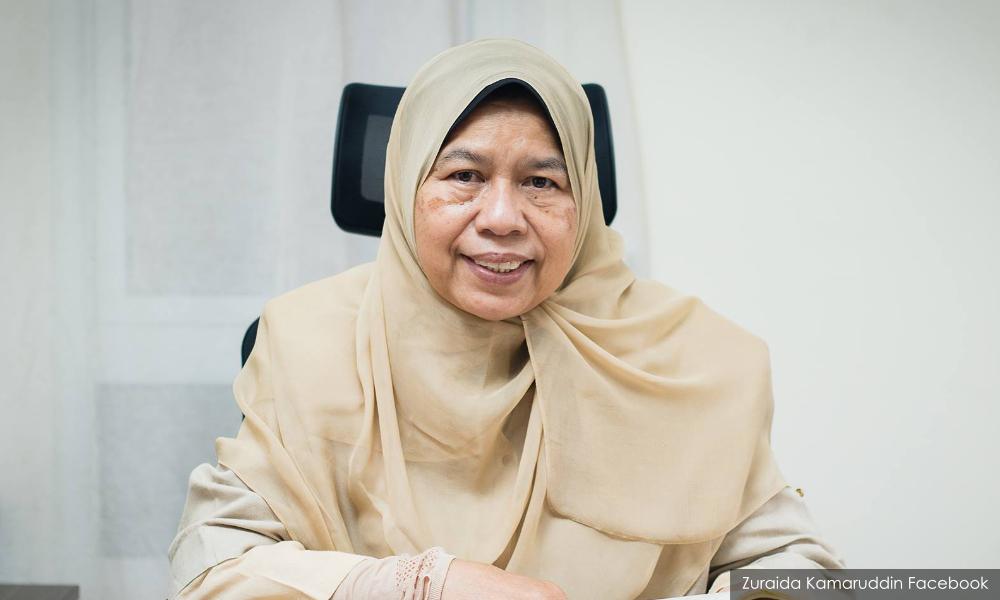
"Hopefully, the 'Break The Bias' theme will awaken the conscience of male planners, policy and decision-makers, legislators, law enforcers and employers as well as political masters as to why bias against women persists after six decades of independence," said Liew (above), who is both Tawau MP and Api-Api assemblyperson.
She was writing in conjunction with IWD 2022 which falls on March 8 (tomorrow).
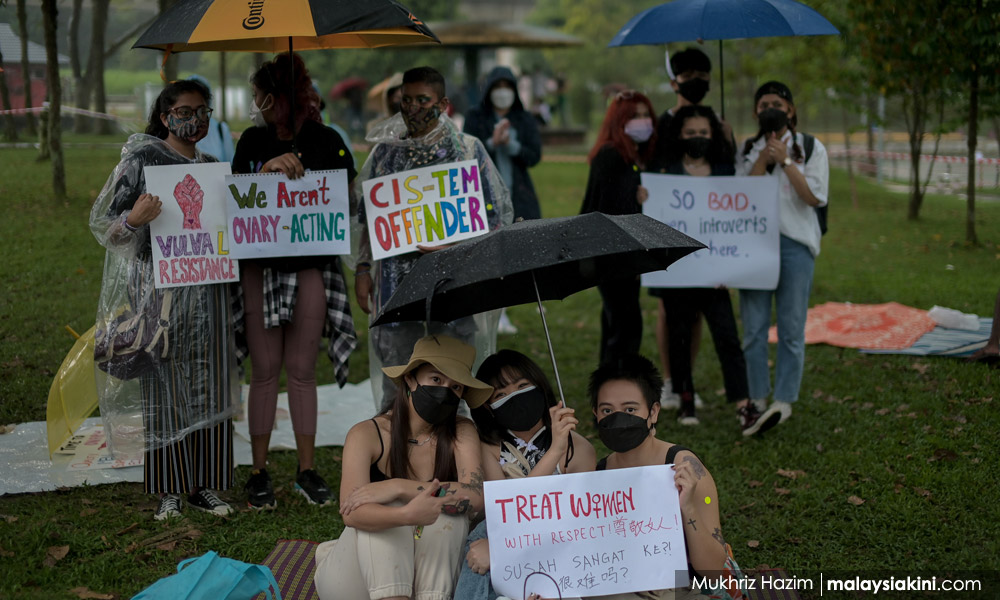
The MP said in a statement that gender bias still prevails throughout the world, despite the emancipation of women dating back to the 19th century through the women's rights and feminist movements.
"Malaysian women are no exception.
"They share common ground with their counterparts in other parts of the world in their struggle for gender equality (equality of men and women), women's empowerment, female representation in Parliament, economic participation, education and healthcare for women, non-violence against women and safety of women and girls.
"While we proudly acknowledge that we have achieved some headway in repealing laws that were discriminatory to women since the formation of Malaysia in 1963, we cannot ignore the continuing cries of Malaysian women against gender discrimination from the perspectives of recruitment, employment, inequality in the workplace (or workplace discrimination), promotion opportunities, wrongful dismissal, termination of service or even in terms of election candidacies.
"Why is gender bias yet to become a thing of the past? Perhaps the implementation or enforcement part is weak, likely due to lack of political will," she asked.
It's there in law, but not a reality
Liew drew attention to the Universal Declaration of Human Rights which was proclaimed by the United Nations as far back as 1948.
"The Right to Equality is in Article 1, Freedom from Discrimination is in Article 2, and so on and so forth," Liew said, adding that Malaysia ratified the Convention on the Elimination of All Forms of Discrimination against Women in 1995.
The Tawau MP also referred to the United Nations Third Millennium Development Goal to promote gender equality and empower women with a target to eliminate gender disparity in primary and secondary education and at all levels of education no later than 2015.
On the Malaysian front, Liew said there is no dearth of documents and laws that aim to promote gender equality and women's empowerment, but it has yet to take practical effect.
"To begin with, we have the Federal Constitution which states that everyone is equal before the law and entitled to the equal protection of the law.
"Then we had the National Policy on Women in 1989. It aims to ensure equitable sharing of resources, opportunities and benefits of development for men and women in the country.
"A major breakthrough came about in 2001 when Article 8 (2) of the Federal Constitution was amended to prohibit discrimination against women in Malaysia. In other words, it provides that there shall be no discrimination on the basis of gender (meaning equality of boys and girls, and of men and women)," she elaborated.
She pointed out that Malaysia was last year told to speed up reforms for gender equality in the World Bank's 2021 Women, Business and Law Report.
"Just imagine, we are behind Singapore, Indonesia and Myanmar in the realm of gender equality. According to the World Bank's Report, Malaysia has a score of 50 for its Women, Business and the Law index whereas Singapore scored 82.5, Indonesia 64.4 and Myanmar 58.8," Liew shared.
The "Break The Bias" theme, she said, should make the Malaysian Government sit up and take stock of the phenomenon in the hope of reversing this "lagging behind" trend.
Liew continued: "We urge the federal Women, Family and Community Development Ministry to pursue the enactment of a gender equality law to improve Malaysia's performance in the Global Gender Gap Index.”
With all the laws in place to protect women against gender discrimination, she stressed that pregnant women should no longer be discriminated against by any authority or employer in the public or private sector.
She also noted that until September last year, there was a law discriminatory to women whereby children born overseas to Malaysian women and foreign fathers are not automatically Malaysian citizens upon registration (unlike children born overseas to Malaysian men with foreign spouses).
The Kuala Lumpur High Court, in September last year, ruled that children born overseas to Malaysian mothers and foreign fathers are automatically entitled to Malaysian citizenship.
Liew reiterated her call to the Federal Government to withdraw its appeal against the High Court decision. A hearing has been set before the Court of Appeal on March 23.



Report this comment
Are you sure you want to delete this comment?
This action cannot be undone.