



M’sia investigates suspected hepatitis case of unknown cause
Malaysia is investigating one possible case of hepatitis of unknown aetiology (set of causes) in Sabah amid heightened alert worldwide for such cases among children.
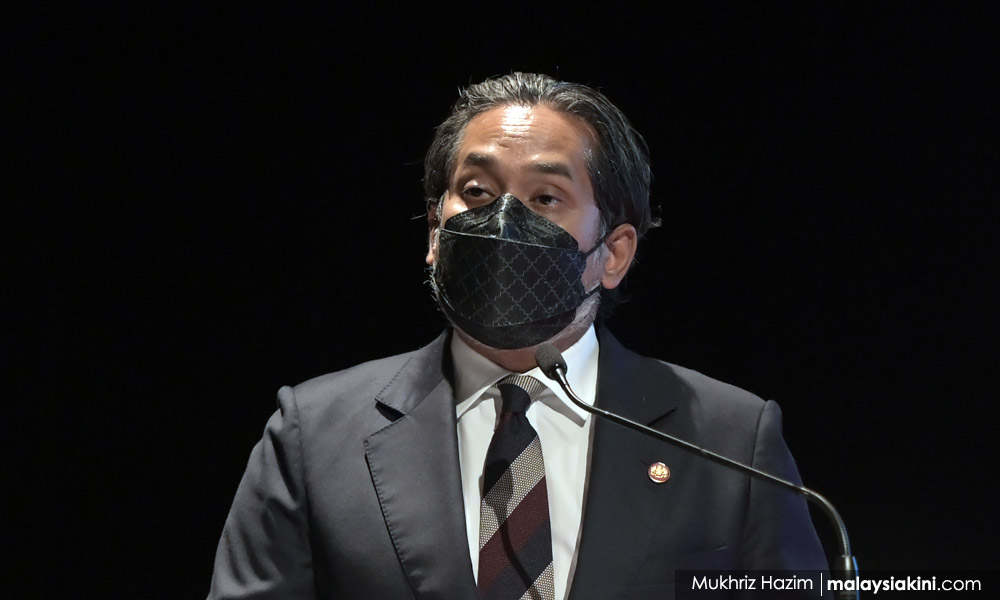
In a statement, Health Minister Khairy Jamaluddin said the case involves a boy aged four years and 11 months, who sought treatment for acute hepatitis symptoms at a Sabah hospital....
Malaysia is investigating one possible case of hepatitis of unknown aetiology (set of causes) in Sabah amid heightened alert worldwide for such cases among children.
In a statement, Health Minister Khairy Jamaluddin said the case involves a boy aged four years and 11 months, who sought treatment for acute hepatitis symptoms at a Sabah hospital in March.
The patient was experiencing symptoms of jaundice, fever, poor appetite, nausea, and vomiting. His condition deteriorated to the point of needing a liver transplant, which was carried out at a Klang Valley hospital on March 30.
He has since been discharged on April 21 in good health.
“Preliminary investigations find the child did not have a history of any other disease apart from a SARS-CoV-2 infection,” he said, referring to the coronavirus that causes Covid-19.
“Investigations are still underway to determine whether the case fulfils the criteria for ‘acute hepatitis of unknown aetiology’.
“Parents and guardians of children experiencing acute hepatitis as described above are advised to seek immediate treatment at nearby healthcare facilities,” he added.

Severe acute hepatitis
The UK had raised the alarm on cases of severe acute hepatitis of unknown aetiology in children on April 5. According to a World Health Organization report on April 23, at least 169 such cases have been detected in Europe and the US.
These are cases of hepatitis where the usual causes such as hepatitis viruses A, B, C, D and E have been ruled out. These are sometimes so severe that a liver transplant is required, and one death has been attributed to the disease.
In at least 74 cases, an adenovirus was detected during laboratory testing. This led some researchers to suspect it to be the cause, whether alone or in concern with other factors. Nevertheless, other possibilities have yet to be ruled out.
It should be noted that not all children involved have a known history of a Covid-19 infection, while possible links to Covid-19 vaccination have been ruled out since many of the children were not vaccinated against the disease.
In response to reports of the outbreak, Khairy said the Health Ministry has heightened its hepatitis surveillance and is developing protocols for handling cases of acute hepatitis of unknown aetiology.
Look out for symptoms
Healthcare workers at government and private clinics are urged to refer children aged from one month to under 18 years with the following symptoms to a hospital:
• Jaundice (yellowing of the skin and whites of the eyes)
• Poor appetite
• Nausea
• Vomiting
• Fatigue
• Dark coloured urine
It was amid this heightened surveillance that the Sabah case was detected.
“The Health Ministry will continue to monitor incidents of acute hepatitis of unknown aetiology among children and will inform on the latest developments from time to time,” Khairy said.


Report this comment
Are you sure you want to delete this comment?
This action cannot be undone.