


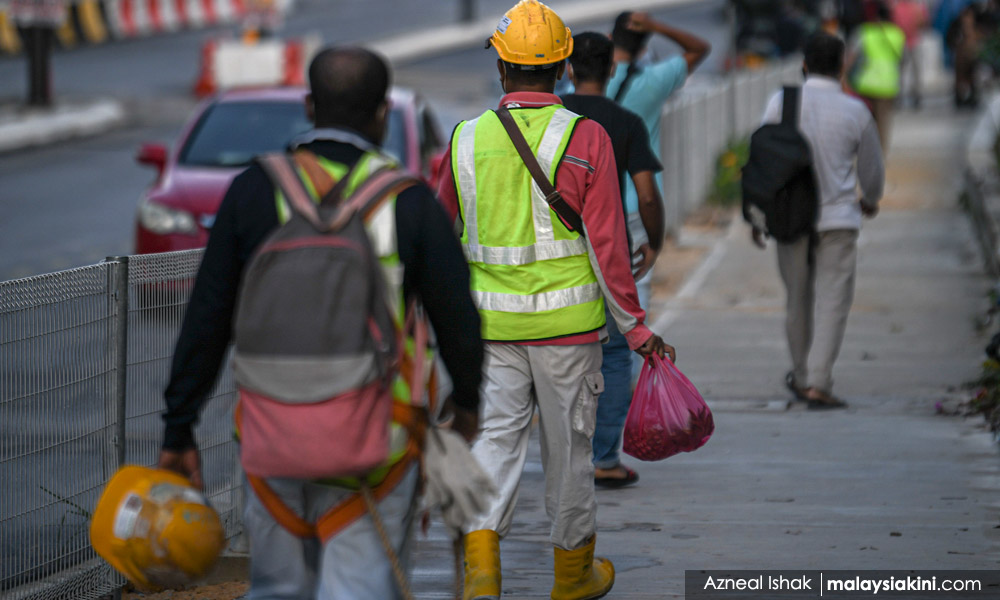

HR Ministry says migrant workers' arrival tonight cancelled
The ministry's corporate communications unit in a notice said Human Resources Minister M Saravanan's scheduled presence at...
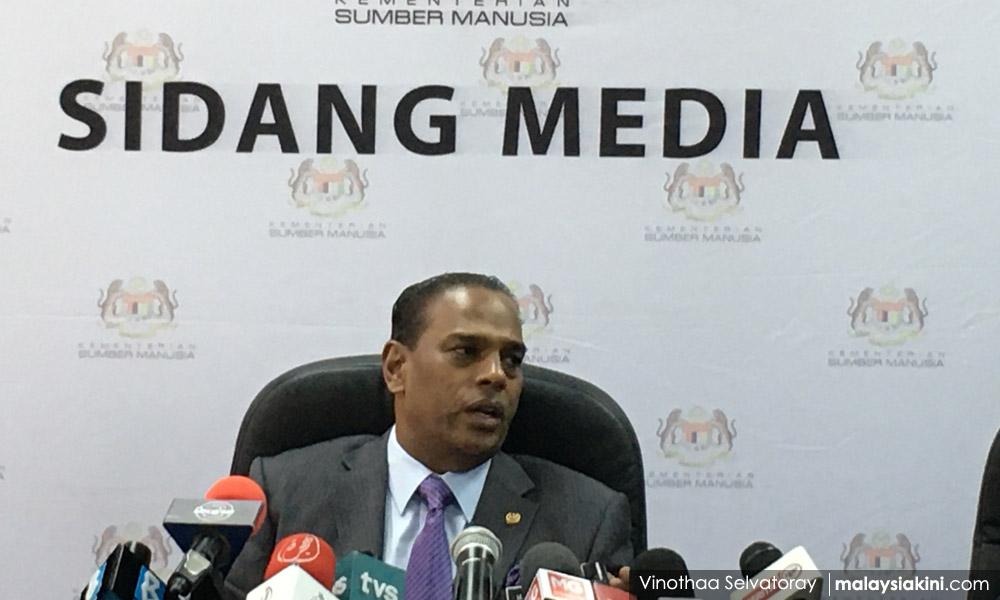
The Human Resources Ministry has cancelled a media invitation initially sent out for coverage of the expected arrival of migrant workers from Lombok, Indonesia, at Kuala Lumpur International Airport tonight.
The ministry's corporate communications unit in a notice said Human Resources Minister M Saravanan's scheduled presence at KLIA to oversee the arrivals, followed by a press conference, has been cancelled due to unpreventable circumstances.
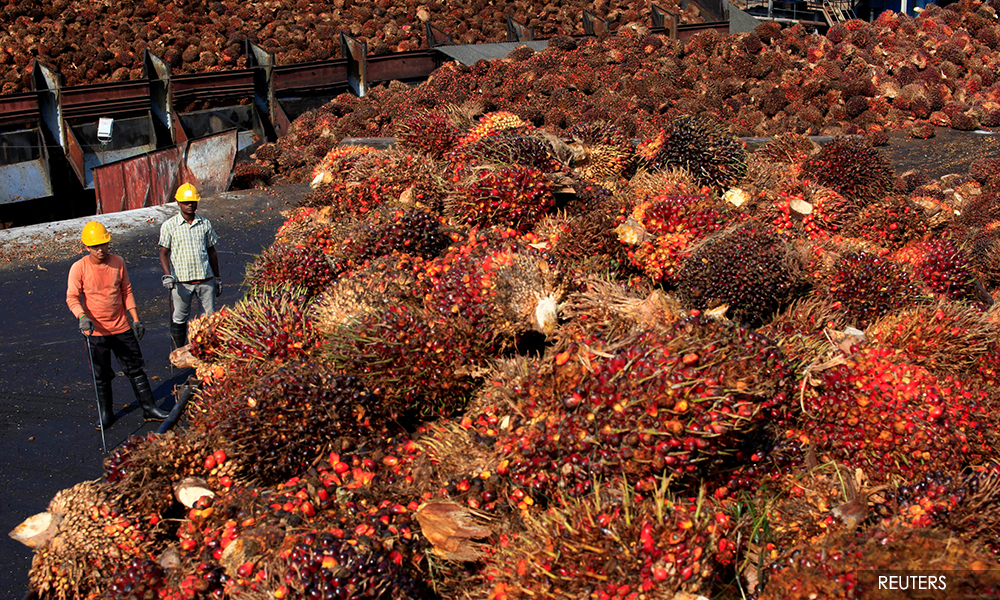
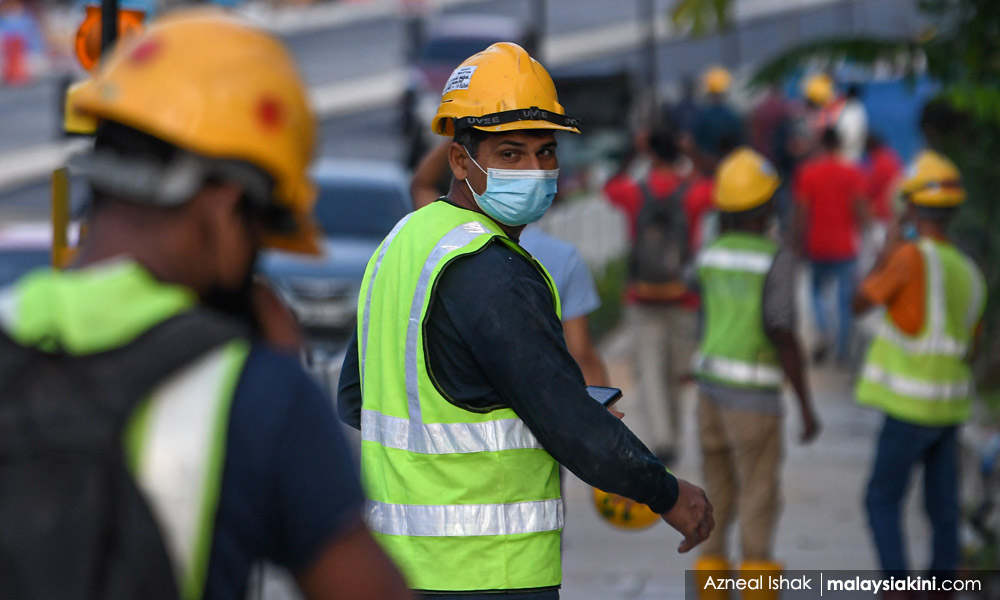
Malaysiakini earlier reported that over 100 expected arrivals from Lombok, Indonesia, will comprise the first batch of migrant workers employed to work in local palm oil plantations since the reopening of international borders.
So far, no information is available on the reasons for the cancellation and their new date of departure.
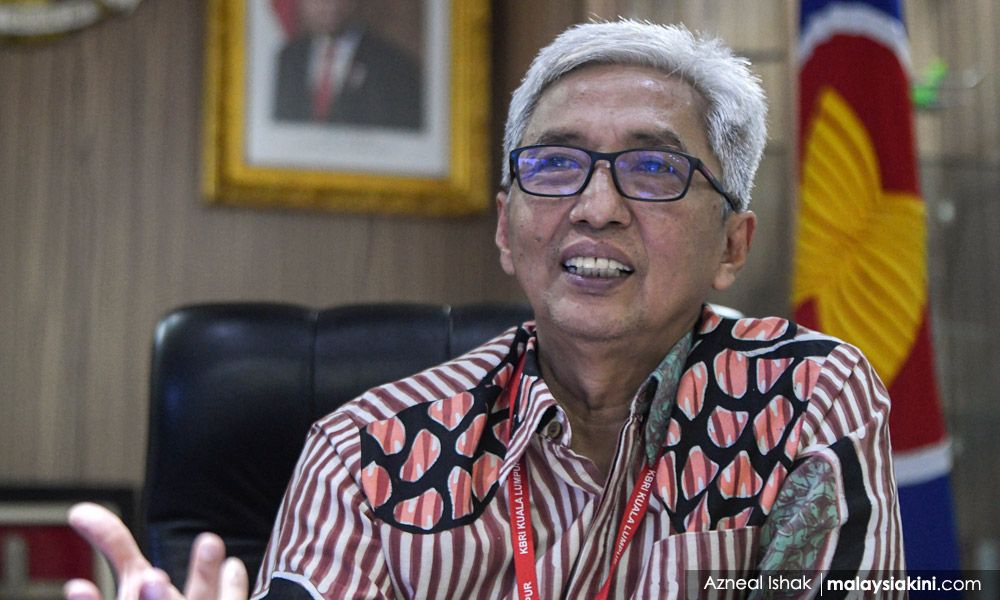
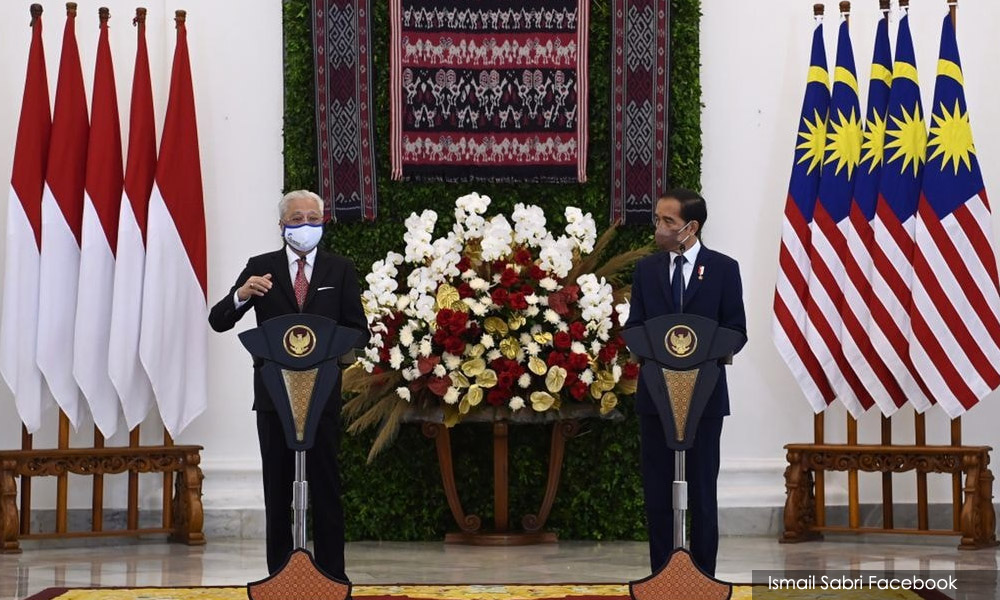
Earlier, the Indonesian Ambassador to Malaysia, Hermono (above), said the workers, initially scheduled to arrive in Kuala Lumpur tonight via a chartered flight, will be sent to plantations owned by Sime Darby Plantation Bhd.
"The plan is for 164 workers in total, but part of the group is still waiting for their pre-departure orientation.
"They are arriving on a flight chartered by Sime Darby from Lombok. I am unsure which plantation they will be sent to.
"All costs are covered by the employer. Workers will be paid at least the minimum wage of RM1,500," he said, adding that all of the workers originated from Lombok, Nusa Tenggara Barat, Indonesia.
It is understood that the arrivals would represent the first batch of Indonesian workers from a total of 32,000 - largely to be employed as harvesters - reportedly requested by Malaysia since last year.
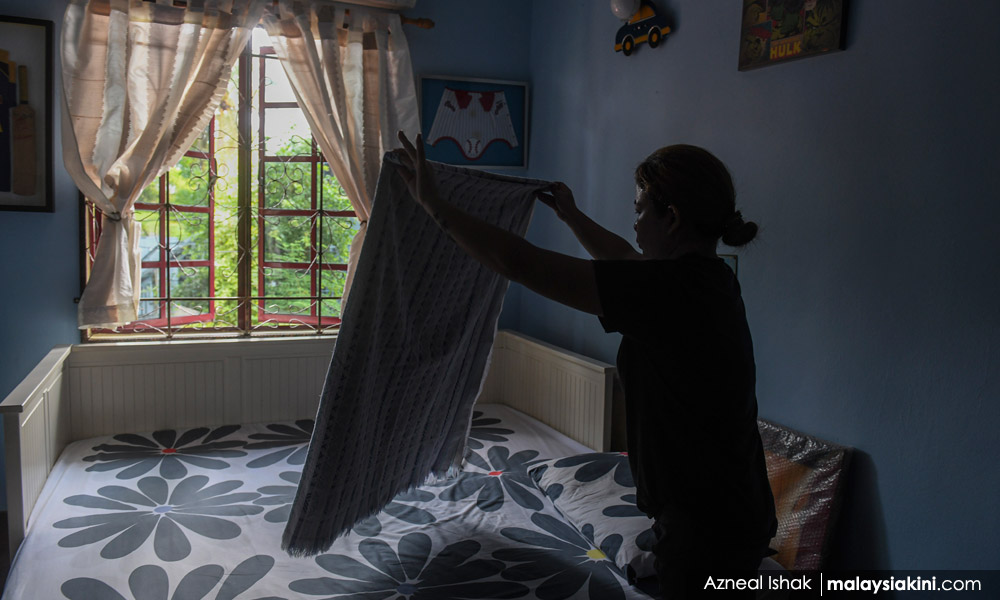
Indonesia's agreement to send their workers to work in Malaysian plantations also follows the signing of the Malaysia-Indonesia memorandum of understanding for domestic workers protection on March 31, set as a condition to reopen the labour market in other industries.
In January, Sime Darby Plantation warned that labour shortages at palm oil plantations in Malaysia will worsen under extended border closures, with a reported shortage of more than 75,000 workers resulting in a potential 20 to 30 percent hit to production.
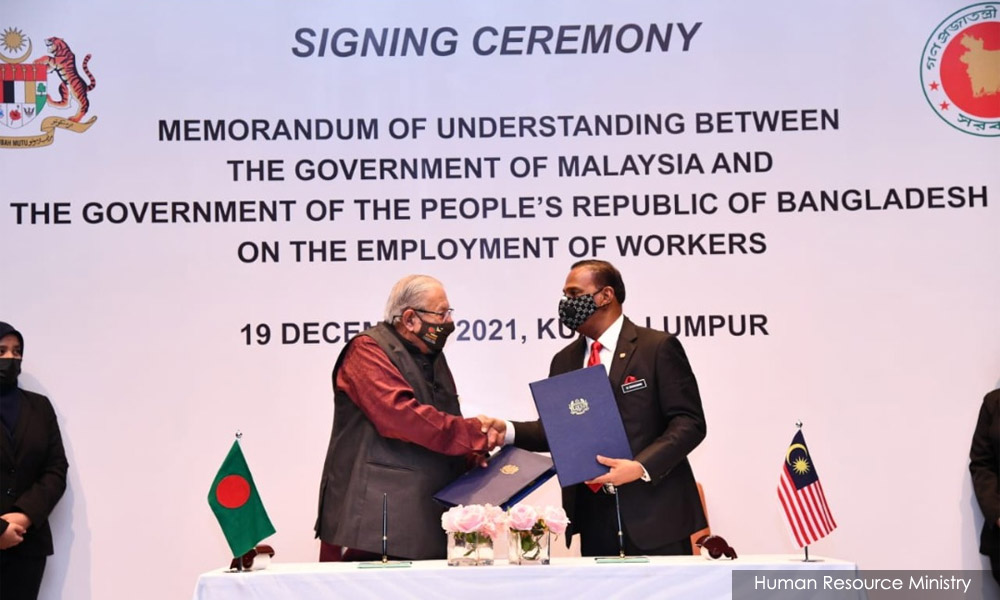
Aside from Indonesia, Malaysia is also still waiting on the arrival of migrant workers from Bangladesh, despite both governments having signed a bilateral agreement last December.






Are you sure you want to delete this comment?
This action cannot be undone.