


/file/publisher-c1a3f893382d2b2f8a9aa22a654d9c97/2022/07/4f2aa8314d1112a4f7c2a6a40c0eef4e.jpg)

Muda wants carbon credit scheme to solve Tasik Chini impass
The government should consider implementing a carbon credit scheme where special allocations are given to the state government according to the ratio or amount of forest reserve in the state concerned, said Muda today.
Carbon credits are used by governments and companies as an alternative to cutting carbon dioxide emissions.
Instead of reducing their...
The government should consider implementing a carbon credit scheme where special allocations are given to the state government according to the ratio or amount of forest reserve in the state concerned, said Muda today.
Carbon credits are used by governments and companies as an alternative to cutting carbon dioxide emissions.
Instead of reducing their pollution, the government can choose to buy carbon credits that are meant to represent a reduction in emissions elsewhere.
This comes after the United Nations Educational, Scientific, and Cultural Organisation (Unesco) found that Tasik Chini no longer meets its criteria for Biosphere Reserve under the Man and Biosphere (MAB) programme.
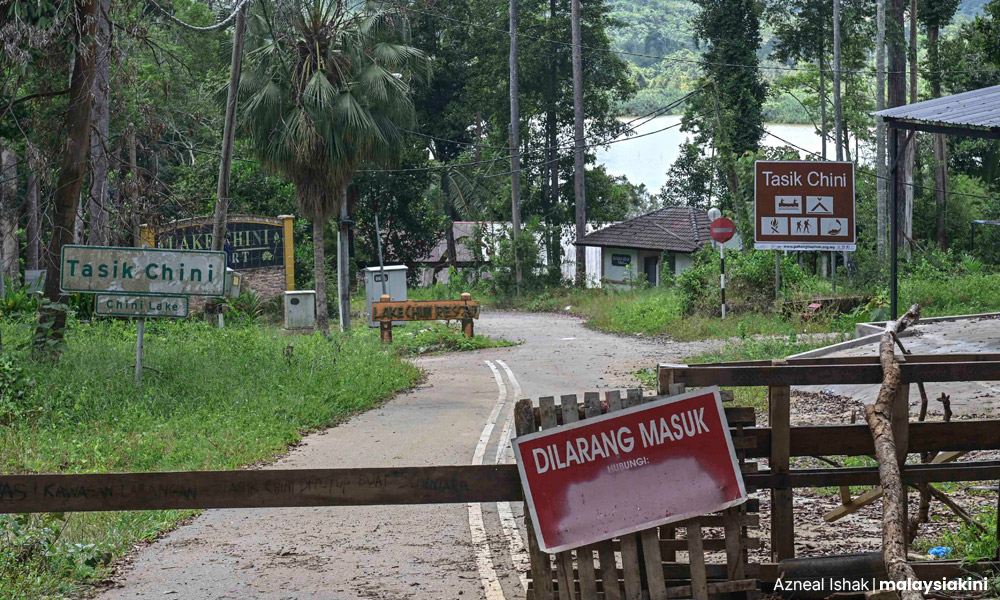
The programme studies and improves the relationship between people and their environment through conservation and sustainable use of natural resources.
According to Unesco's first periodical review of Tasik Chini, the lake no longer meets the criteria to be part of their World Network of Biosphere Reserves (WNBR).
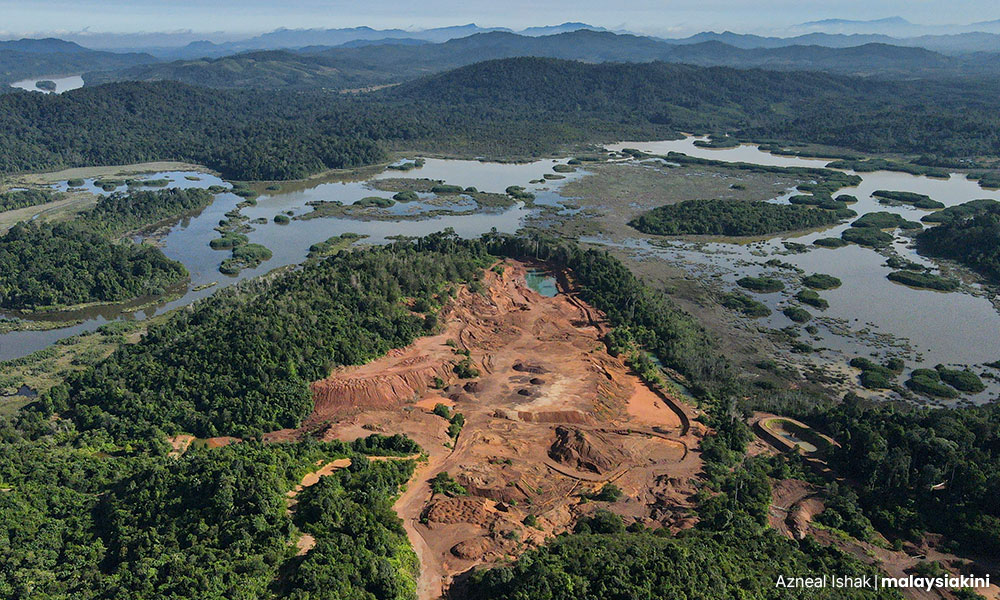
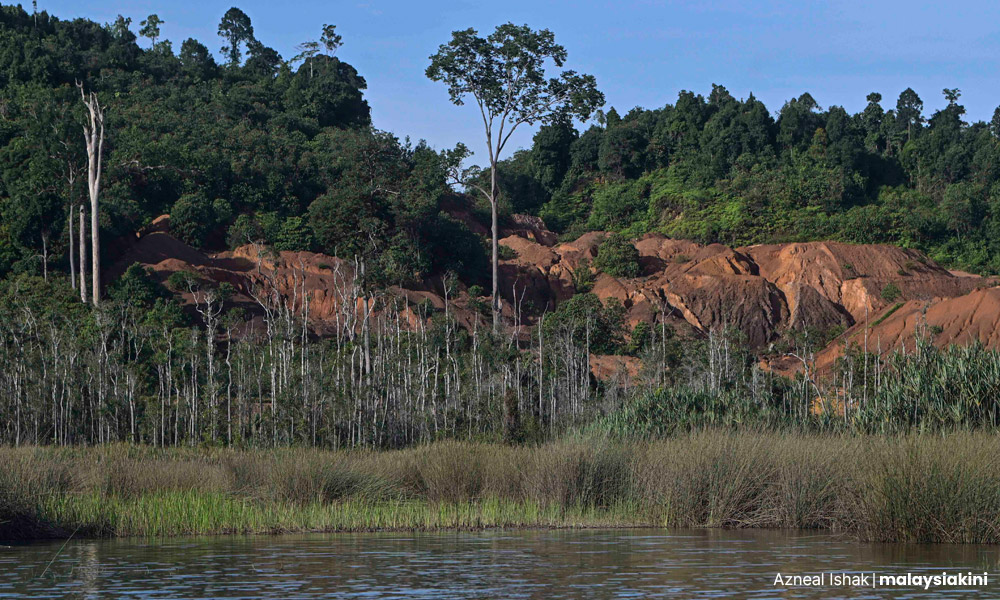
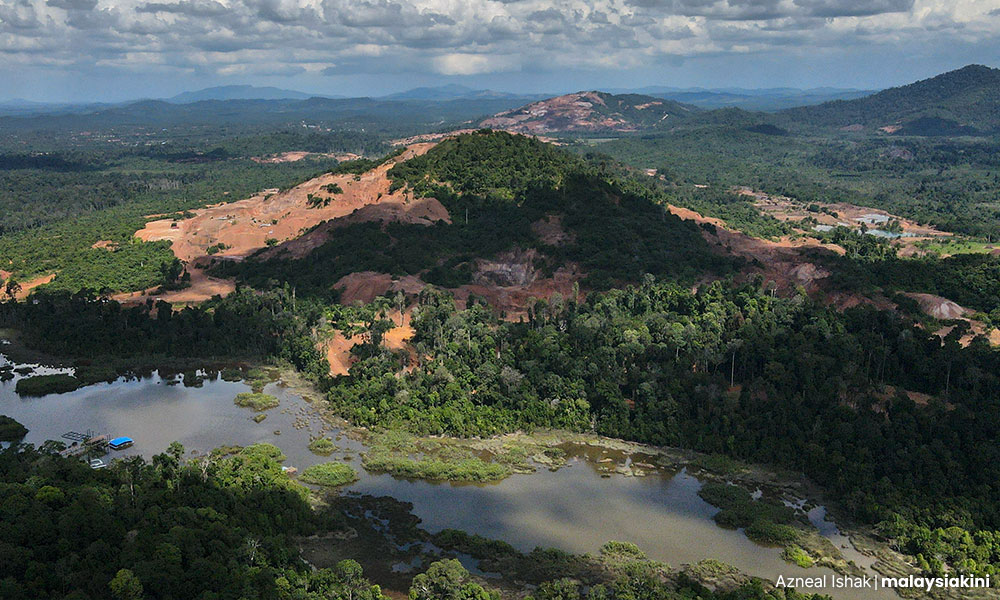
The report cited "newly cleared forest areas with intensive land conversion" and the reopening of old mines in the surrounding locations.
In a statement today, while Muda vice-president Zaidel Baharuddin made the suggestion, he questioned whether the state government would have the funds to implement the carbon credit scheme.
“Although we can point the finger at human greed, we have to accept the fact that aside from the production of soil or water, the state government does not have the financial resources.
“The federal system that Malaysia practices put most of the management of taxation under the central government's jurisdiction, including a monopoly in the management of hydrocarbon products,” he said.
Practical and effective solutions
Zaidel urged the government to offer practical and effective solutions.

“A form of compensation or resource as an appropriate alternative income should be given to the state government as an incentive for protecting the country's natural resources.
“This provides not only a form of incentive to the state government not to approve plantation, exploration or logging, but even a form of economic equality where the states that have high forest reserves are also compensated for the activities carried out in the state industry-based.
He reiterated that a proposed carbon credit scheme and implementation of specific standards for credit value calculation of the forest should be refined as best as possible.
“If we do this transparently and effectively, Malaysia can be an example to regional partners,” he said.
/file/publisher-c1a3f893382d2b2f8a9aa22a654d9c97/2022/07/18bea79c9432fd86b06ba39d42ac3563.jpg)




Are you sure you want to delete this comment?
This action cannot be undone.