



Indonesian domestic worker recruitment portal to shed 'bad habits'
Indonesia’s top envoy to Malaysia, Hermono, said meetings have commenced in Jakarta today between Indonesian officials from its Manpower Ministry and their Malaysian counterparts.
Speaking to Malaysiakini from Jakarta, he said Malaysia’s current MOS allows Indonesian women entering the country on tourist visas to...
Negotiations are underway to shed ‘bad habits’ in the Malaysian Immigration Department’s Maid Online System (MOS), which is responsible for the recruitment of Indonesian domestic workers.
Indonesia’s top envoy to Malaysia, Hermono, said meetings have commenced in Jakarta today between Indonesian officials from its Manpower Ministry and their Malaysian counterparts.
Speaking to Malaysiakini from Jakarta, he said Malaysia’s current MOS allows Indonesian women entering the country on tourist visas to convert them to work permits.
This, he said, allowed for their “disappearances, sometimes without a trace, into Malaysian homes.”
“Sometimes, they re-emerge when they flee their employers and seek shelter at the embassy but many are packed up and sent home without the embassy’s knowledge,” he revealed.
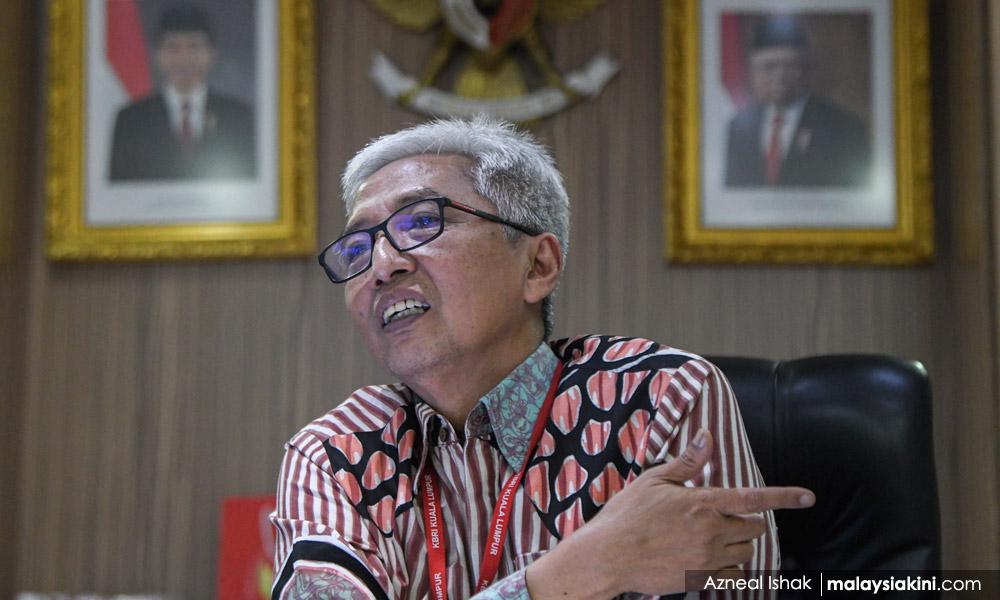
Hermono (above) pointed out that the memorandum of understanding (MOU) signed by the two countries on April 1 was intended to improve the welfare of Indonesian domestic workers.
“The MOU seeks to rectify abuses faced by Indonesian domestic workers in Malaysian homes, including overwork, non-payment or short payment of salaries, long hours of work, unlawful salary deductions, and physical and mental abuse.
“The MOS will also have to comply with the salary scheme in the MOU and the employer’s household income requirement,” he said, naming some issues the memorandum was supposed to address.
“These are terms put in place in the MOU for the protection of the worker from abuse and the employers from being cheated,” he stressed.
Re-mapping the portal’s recruitment flow
Hermono said the bilateral discussion today was the two nations’ first Joint Working Group meeting - empowered by clauses in the MOU - which is expected to meet once every three months.
“We are confident we can agree on a win-win solution during the Joint Working Group meeting,” he said.
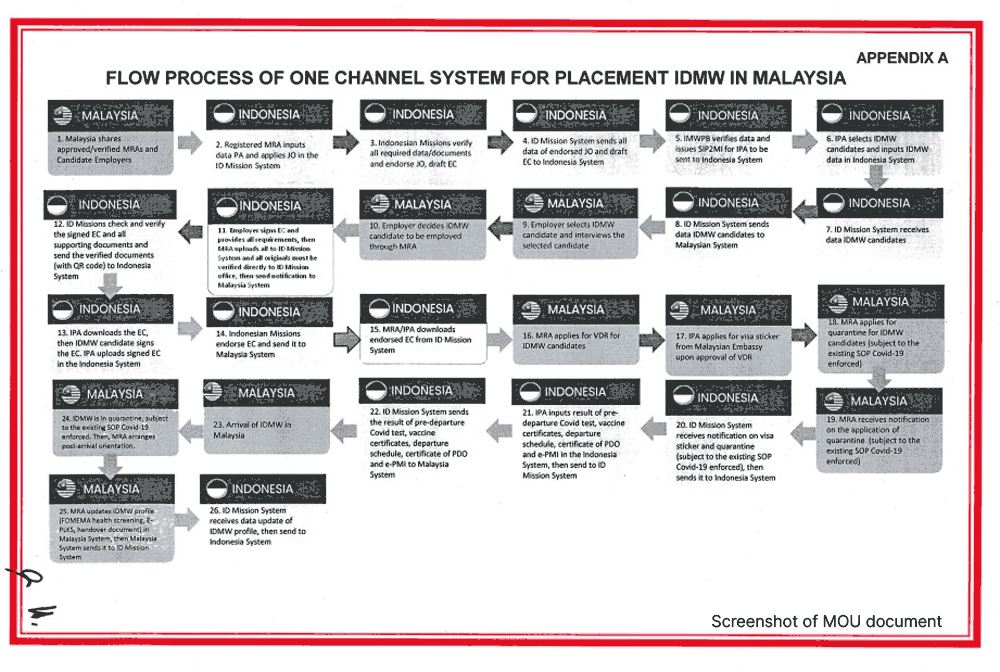
Officials from the two countries are expected to take no longer than two days to re-map the recruitment flow of domestic workers on the portal.
Then, the new flow would have to be implemented by the MOS to comply with Appendix A of the MOU, Hermono said.
Indonesia’s Manpower Minister Ida Fauziyah is expected to make an announcement on the matter tomorrow.
Existing recruitment flow will end mid-August
Hermono said existing worker applications under the MOS will continue to be processed until Aug 15, after which the new process flow should be applied.
The MOS’ existing worker recruitment flow was explicitly mentioned in the MOU’s Appendix H as a system that should no longer be applied to recruit and place Indonesian domestic workers in Malaysia.
These recent developments have come about following the breakdown of the MOU on July 13, a little over 100 days after its inking.
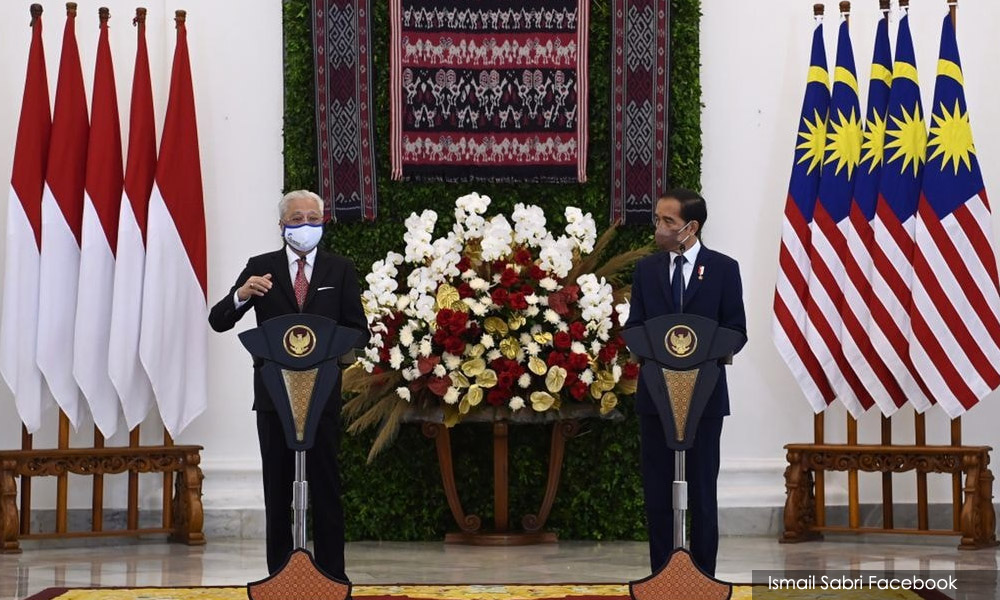
The MOU was determined to have been breached when Hermono found hard evidence of the flawed MOS system’s continued usage.
This led Indonesia to reimpose a temporary barring of its citizens seeking employment in all sectors in Malaysia.
Indonesia imposed a similar temporary freeze last December until MOU negotiations, which commenced in 2016, were concluded and the document signed by both countries.
It is not known if Malaysia’s Immigration Department will apply the changes to its processes with eight other domestic worker source countries – Cambodia, India, Laos, Nepal, Philippines, Sri Lanka, Thailand, and Vietnam.
MP: MOS used as trafficking tool
On Monday (July 25), Klang MP Charles Santiago pointed out in Parliament that the MOS, which caused the breakdown of the MOU with Indonesia, should be abolished.
He pointed out that the MOS had been accused before of perpetuating forced labour and human trafficking.
He also reminded Human Resources Minister M Saravanan of Malaysia’s commitments when it ratified Protocol 2014 of the Forced Labour Convention on March 21.


Report this comment
Are you sure you want to delete this comment?
This action cannot be undone.