


/file/publisher-c1a3f893382d2b2f8a9aa22a654d9c97/2022/08/fcac5343ba14710f5391aad17603cb0c.jpg)

Filmmaker seeks crowdfunding for 'Don’t Rock the Boat' documentary
Documentary photographer and filmmaker Mogan Selvakannu, 40, needs your help in getting his passion project completed.
He is looking for crowdfunding for his latest project “Don’t Rock the Boat”.
“‘Don’t Rock the Boat’ aims to start conversations about...
Documentary photographer and filmmaker Mogan Selvakannu, 40, needs your help in getting his passion project completed.
He is looking for crowdfunding for his latest project “Don’t Rock the Boat”.
“‘Don’t Rock the Boat’ aims to start conversations about Malaysian Indians and their sense of belonging in 21st century Malaysia.
“This is significantly important not only to understand the community's current place in Malaysian society but also as a reference point for the community to view a social portrait of themselves as Malaysians.
“For this project to succeed, funding is required in making sure the production and dissemination of this documentary will achieve its goals,” Mohan told Malaysiakini.
To get there, the project needs RM15,000. The crowdfunding campaign began on July 15 and will end on Oct 15. As of Aug 21, they have collected RM2,400.
“It will also give people an opportunity to be a part of the conversations about the Malaysian Indian community,” he added.
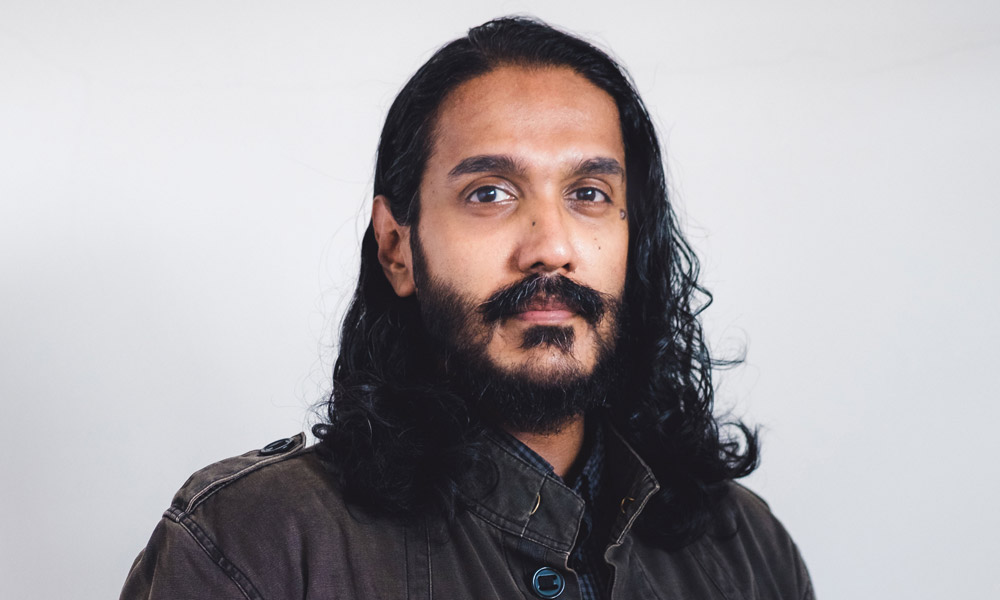
Mogan studied software engineering and worked different jobs until he switched to wedding photography in 2009. In 2016, he studied documentary photography at the University of South Wales in Cardiff.
Among his standout work includes his series of photos entitled “Skeletons of Empire” and “Rivers of Home”.
Mogan explained that the idea behind “Don’t Rock the Boat” came to him during the early days of the Covid-19 pandemic lockdown (around April and May 2020).
“While studying in the UK, between 2016 and 2019, I struggled with the concept of ‘home’. As a migrant student, I experienced an amazing few years studying in a foreign country even though I was away from familiar elements such as family, friends and the infamous Malaysian food. Yet I was still reminded that I am not ‘home’.
“This sparked the question that I have yet to find the answer to. What is ‘home’? Is it a feeling, a geographical location, a person or a group of people? A memory, or a moment?
"After completing my studies, I returned to Malaysia in 2019 and experienced reverse culture shock. I could now see my position in Malaysian society and how it is ultimately determined by my race/ethnicity and not who I am as a citizen or even as a human being,” he said.
"I found that there are inequalities in opportunities and representation for Malaysian Indians like me that have a real and lasting impact on my livelihood,” he added.
Lack of understanding
Mogan pointed out that there is a lack of understanding about the Malaysian Indian condition despite the constant propagation that Malaysia is a multiracial country that lives in harmony.
“I developed a concept for a documentary that is interview based where I can document and build a social portrait of the present Malaysian Indian community and their sense of belonging and feeling at home in a place where they are not quite at home.”
Some clips of the documentary are available on Facebook to help promote the crowdfunding campaign. They are snippets from the 15-minute showreel available on the documentary’s website and YouTube channel.
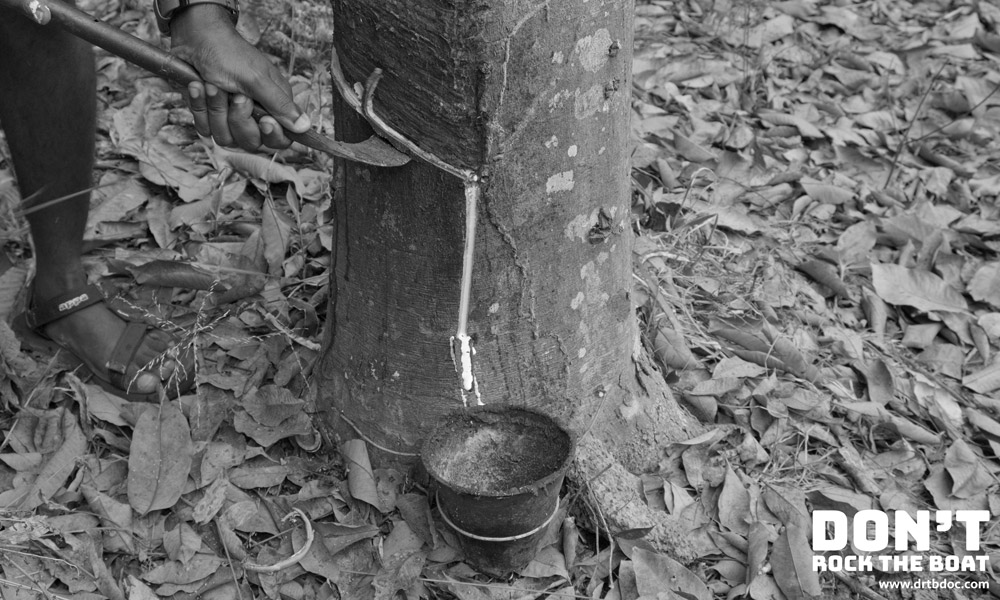
“The showreel and snippets are an example of the concept, ideas and vision that I had in my mind for almost two years. I decided it was safe to begin filming only after the Covid-19 vaccination and booster programmes were rolled out.
“The showreel consists of nine interviewees (four males, five females) from different age groups, Indian communities and social statuses,” he said.
For the final product, Mogan is looking to create a 60-minute documentary divided into two parts.
"The first part will feature interviews from a diverse group of people in the Malaysian Indian community who will be asked questions such as their sense of belonging, their childhood experience, how it feels to live in a multiracial country like Malaysia, British colonialism, how the ‘balik India’ (go back to India) statement makes them feel, problems within the Malaysian Indian community and so on.
“The second part will be interviews of people who are experts/specialists in areas that concern the Malaysian Indian condition. These areas are mainly divided into economic, social and political aspects,” he said.
Mogan explained that the experts will give facts and figures about Malaysian Indian history and the community’s current condition which would either corroborate, inform or contradict the common conception and misconception of the group. This is aimed at getting the viewers to ponder and start conversations.
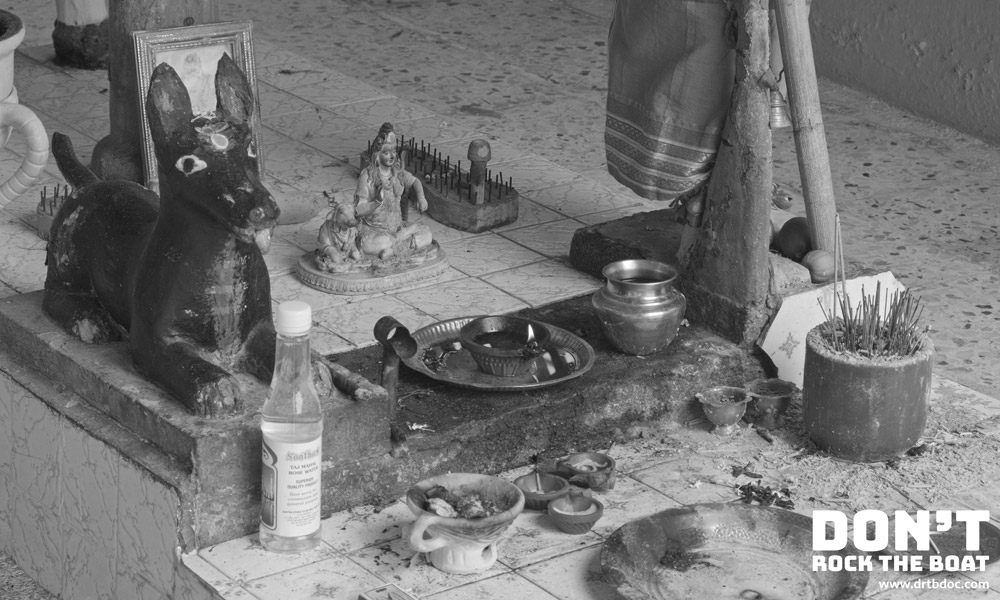
"The final product will also have more B-roll footage to provide visuals for the actualities of what was spoken by the subjects along with background music and sound,” he added.
Using own money so far
Crowdfunding was something he thought about during pre-production. Filmmaking costs can go up for unexpected reasons.
That is why he needs the funds to help him finish “Don’t Rock the Boat” and get it released in April 2023.
“I am aware that there are funds available from other sources such as art grants and NGOs. However, the subject matter for the documentary is delicate and needs to be handled carefully by not associating it with any individuals, political parties, big corporations and associations with agendas.
"It would create a certain type of bias that threatens the legitimacy of the documentary’s intentions. Funding from the aforementioned channels will also take a long time for approval and for the funding to be available.
"Allowing the public to fund the project allows them to be a part of the project and help play a role in creating a narrative for a project that concerns their community,” he added.
So far, Mogan has been using his own money and this includes the 15-minute showreel available on the documentary’s official website, a 30-second teaser, and the pre-production and pre-visualisation stage.
“Should the crowdfunding campaign not reach its goal, I shall continue production with my own money. However, this will result in more time taken to produce the documentary, delayed release, bare minimum post-production with no professional help and limited screening options,” he said.
Mogan hopes that the documentary will be available to anyone who wants to watch it.
He also plans to start with a public premiere followed by roadshow screenings in major cities and eventually via a streaming platform.
“One year after its public premiere, I intend to have it available to watch for free on YouTube to make it accessible to everyone,” he added.
More information on “Don’t Rock the Boat” crowdfunding is available here.
/file/publisher-c1a3f893382d2b2f8a9aa22a654d9c97/2022/08/864c3e9609ce52b043dd4f7f30fb1f75.jpg)
/file/publisher-c1a3f893382d2b2f8a9aa22a654d9c97/2022/07/a1ec5e78a8a63bb4c7082fd1aa49f592.jpg)


Are you sure you want to delete this comment?
This action cannot be undone.