


/file/publisher-c1a3f893382d2b2f8a9aa22a654d9c97/2022/10/ca4ced9b43d89242cc513056ad742b59.jpg)

Anwar: Sivarasa dropped as Sungai Buloh candidate over 'health issues'
According to a report in Utusan Malaysia today, Anwar - who is also the Pakatan Harapan chairperson - reportedly said that Sivarasa's sickly appearance during campaigning could impact Harapan's chances of retaining the seat...
PKR president Anwar Ibrahim revealed that “health issues” were what ended former Sungai Buloh MP R Sivarasa’s prospects as a candidate in the Sungai Buloh parliamentary seat this coming general election.
According to a report in Utusan Malaysia today, Anwar - who is also the Pakatan Harapan chairperson - reportedly said that Sivarasa's sickly appearance during campaigning could impact Harapan's chances of retaining the seat.
"That was a factor I considered and it allows us to introduce a candidate who could beat (BN's) Khairy Jamaluddin," he reportedly said after a book launch yesterday.
This was in reference to PKR's new candidate R Ramanan.
Previously, PKR deputy president Rafizi Ramli said he and the party’s candidate selection committee initially proposed for incumbent MP R Sivarasa to defend his Sungai Buloh seat in the 15th general election (GE15).
However, Anwar was said to have shot down the idea.
PKR had previously announced it would field its deputy information chief R Ramanan in Sungai Buloh, the first time he will be contesting in a general election.
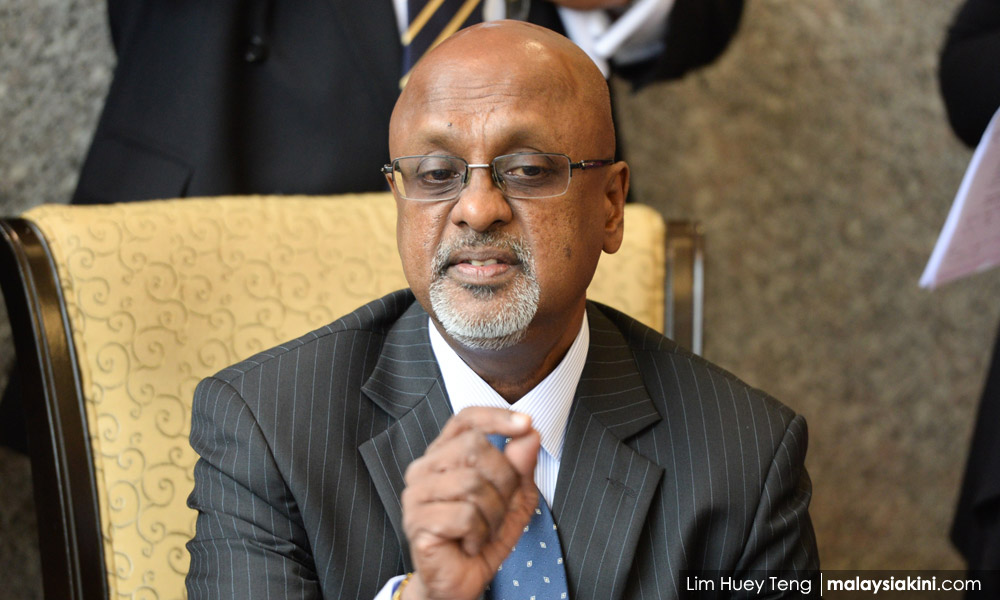
The announcement of Ramanan as the Sungai Buloh candidate prompted backlash from constituents, who urged for a different candidate or to retain Sivarasa, especially after Umno/BN announced Khairy Jamaluddin as their candidate for the constituency.
Ramanan was the MIC treasurer-general before this but stepped down in 2014 after the High Court in Kuala Lumpur instructed him to return RM5.5 million he obtained through fraud.
At the time, he reportedly said he was appealing the decision and was willing to pay the amount to the plaintiff.
In June 2014, Ramanan dropped his appeal against the judgement and entered a consent judgement with the plaintiff where he agreed to pay the RM5.5 million.
Sungai Buloh has been held by PKR's R Sivarasa since 2008.
He won with a majority of 26,634 votes in 2018, a similar margin as in the previous election, despite the political tsunami in GE14.
In 2018, Sungai Buloh was a mixed seat, with 66 percent Malay voters, 22 percent Chinese voters, 11 percent Indian voters, and 2 percent voters of other ethnicities.
Malaysiakini has reached out to Sivarasa for a response on the matter, but has yet to receive a response.
/file/1294/b51146d4257887b0e8d72d30777c72f2.jpeg)
/file/publisher-c1a3f893382d2b2f8a9aa22a654d9c97/2022/07/b4dd8e3af3929bb217a74112d6478be7.jpg)
/file/publisher-c1a3f893382d2b2f8a9aa22a654d9c97/2022/11/1d5e8afc9fd6470e83c450832c6e5791.jpg)
/file/publisher-c1a3f893382d2b2f8a9aa22a654d9c97/2020/11/0c98b8e01e4dd1c4d865a675ae638ee1.jpg)
/file/publisher-c1a3f893382d2b2f8a9aa22a654d9c97/2022/11/ccd88c47779c1e25232aae34993fc2fb.jpg)
/file/publisher-c1a3f893382d2b2f8a9aa22a654d9c97/2022/10/72bd70f8e664eede83eb03fd9f7f6c22.jpg)


Are you sure you want to delete this comment?
This action cannot be undone.