


/file/publisher-c1a3f893382d2b2f8a9aa22a654d9c97/2022/12/1d223856be1c3df4c37d0f0eae46c309.jpg)

Imran Syafiq celebrates traditional dance in any way he can
MALAYSIANSKINI | When Kuala Lumpur boy Imran Syafiq was in Standard 1, he saw his older sister (who was in Standard 3 at that time) rehearsing for a dance she was going to perform at the school concert.
“It was a Malay dance. It was to Cindai sung by Siti Nurhaliza. I remember that I started imitating her and it got me interested in watching dance on television.
“I only started dancing when I was in high school,” Imran, 31, told Malaysiakini.
There was no culture club at his primary school but...
MALAYSIANSKINI | When Kuala Lumpur boy Imran Syafiq was in Standard 1, he saw his older sister (who was in Standard 3 at that time) rehearsing for a dance she was going to perform at the school concert.
“It was a Malay dance. It was to Cindai sung by Siti Nurhaliza. I remember that I started imitating her and it got me interested in watching dance on television.
“I only started dancing when I was in secondary school,” Imran, 31, told Malaysiakini.
There was no culture club at his primary school but at his secondary school, Sekolah Kebangsaan Taman Melawati, there was a Kelab Kebudayaan and he was a very active member.
“I learned traditional Malay dances like Zapin, Joget, and Inang. We took part in many competitions.
“I became the club captain and led it. We won national-level competitions,” said Imran (above) proudly, recalling his beginnings as a dancer.
It was one thing to pursue dance as an extra co-curricular activity but another thing to pursue it as a career.
Initial opposition to dance
Imran’s father is a lawyer and his mother is a businessperson. His plans did not go down all that well initially.
“When I was in Form 4 or Form 5, I was in the science stream because I thought those were subjects I could take up in university.
“When it was time to enter university, I read a story in a magazine about Aswara (Akademi Seni Budaya dan Warisan Kebangsaan) and how they were offering a diploma in performing arts.“
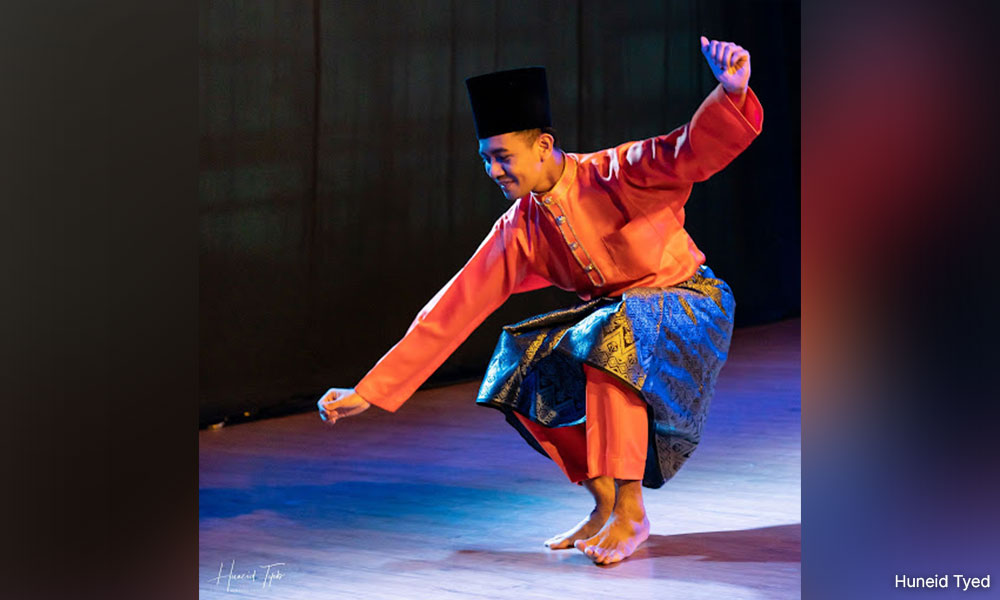
He was already into dance at that time and had also joined other troupes like Kumpulan Kesenian Jabatan Kuala Lumpur that were giving performances.
So, he auditioned for Aswara. He recalled having to go learn different dance forms from instructors and do a one-minute solo. For his one-minute solo, he performed a Zapin dance.
“I had a hard time convincing my dad. He wanted me to follow in my mother's footsteps and become a businessperson or at least land a secure job.
“But I convinced him that I wanted to do this because it was my passion,” recalled Imran.
He promised them that if this did not pan out, he would opt to do something else.
“I proved to him and my mum that I could do this, and I tried to excel every semester at Aswara,” said Imran.
He did both a diploma and a degree in dance at Aswara, graduating with a bachelor’s degree in Bharatanatyam.
Asked how he went from the traditional Malay dance, Zapin, to Bharatanatyam, Imran explained that when pursuing a diploma in dance at Aswara he had to study nine different dances and it was one of the subjects/dances that you needed to excel in.
“So, for the entire three years of studying for my diploma, it was Bharatanatyam all the way!”
Imran also loves contemporary and other dance forms.
“But when it came to my degree I decided to take the dance form that challenged me the most. Its complexity, rhythm, medley, and its movements challenged me as a performer and a dancer.
“You have to act and dance. You also have to understand musicality because of its rhythms and beats.”
By then, his mentor and Aswara dean Joseph Gonzales advised him to pursue Bharatanatyam all the way to Arangetram (debut performance).
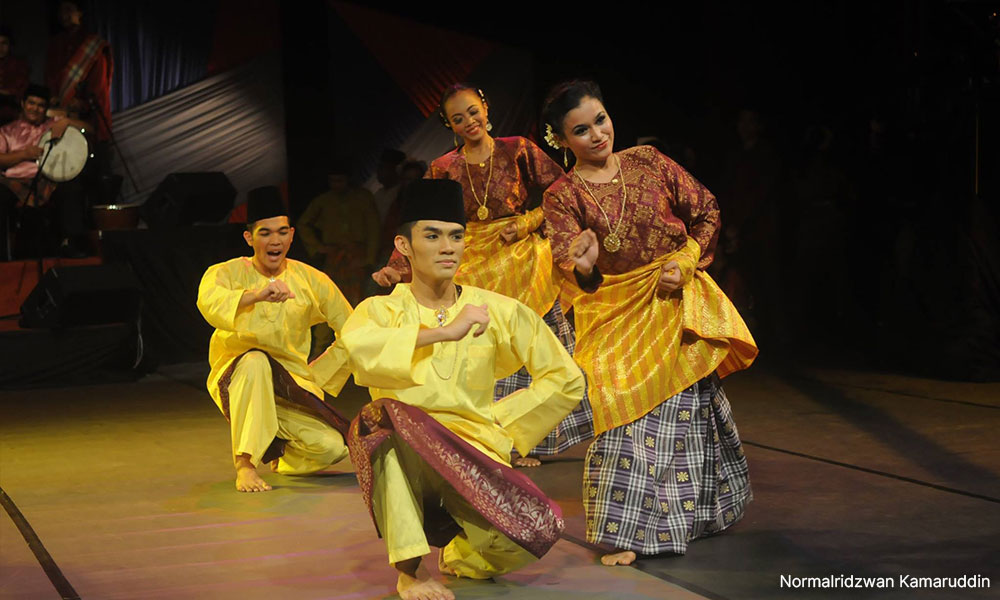
So, he did that, along with his batchmate and regular partner Kimberly Yap. He is now the managing director of the ASK Dance Company.
ASK not only performs dances but also teaches dance and produces shows. Imran teaches Bharatanatyam at ASK and helps choreograph dances.
Pandemic challenges
Like many in the performing arts, the pandemic was not an easy thing to go through. Imran, who is a part-time lecturer with Aswara, stayed focused by teaching students online.
“We could not dance. We could only dance in my apartment. Dancing Bharatanatyam in my apartment was hard. The people downstairs would get angry.”
ASK also has a community outreach programme where they teach traditional dances such as Joget and Zapin for free.
During the pandemic, everything had to go online and Imran came up with Forging Traditions – Beyond Borders.
“It is a traditional dance course, free for all. Because it was bilingual (Malay and English) we had international students as well.”
He said ASK got grants from the Cultural Economy Development Agency (Cendana) to do some dance films.
The first big event they held when restrictions were lifted was a Forging Traditions workshop in October 2021 at Tamarind Square that attracted over 100 participants.
On Dec 24 and 25, ASK Dance Company in conjunction with ArtsFAS Festival (Arts for All Seasons) will stage ‘Menempa Tari Tradisi - keeping traditional dances alive.’
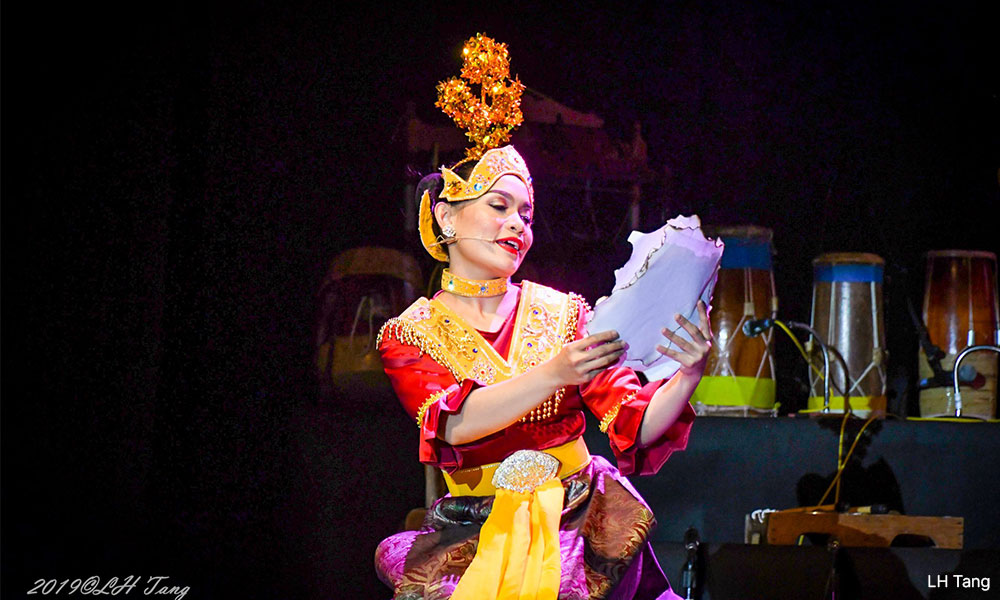
The performance will showcase traditional folk and classical dance repertoire that makes Malaysia the unique melting pot of rich vibrant cultures that it is.
ASK Dance Company will be collaborating with Sekolah Seni Malaysia KL and Johor, where young performers are trained and receive formal education.
The show will feature traditional and folk dances in Peninsular Malaysia including the Chinese Handkerchief dance, Indian Garba Folk Dance, Plate Dance, Zapin, and traditional native dances from Sabah and Sarawak.
Juggling roles
Imran is the creative producer and one of the choreographers for this show. He will be performing as well.
Imran admits that getting audiences to attend traditional dance shows is not easy. Musical theatre seems to find more favour with locals.
“The attention span of tourists is short. We need to figure out something they can have fun with and at the same time remain authentic,” he pointed out.
However, Imran also readily admits that if you were to showcase a local dance performance in its true traditional and intricate form, it may prove to be too slow-moving for most people.
“In a way, an artistic director needs to know how to add dynamics to the show. The downside to this is that it can indirectly be watered down in the long run,” he explained.
He said both dancers and choreographers need to know more about the dance they will be performing so that they can do justice to the art form.
Imran has been busy this year performing at shows and festivals in Singapore and India with Yap.
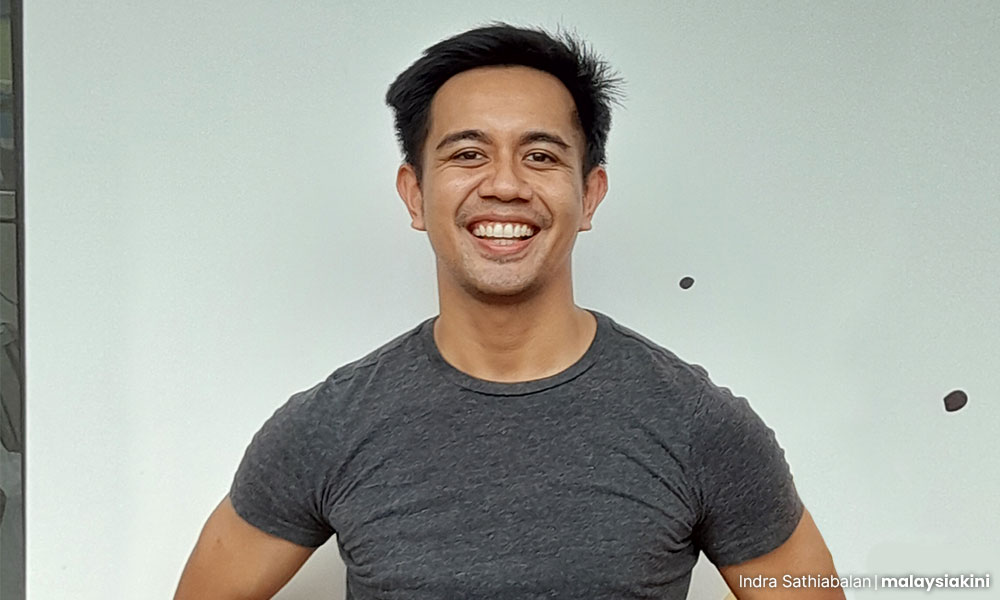
For 2024, ASK Dance Company will go to India to perform at the World Dance Alliance. There will also be a show by Jessie Jing, a renowned choreographer and writer, for a show after Chinese New Year called ‘Nian Gao’.
In June, he will be performing Bharatanatyam with a student who will be performing her Arangetram.
Identity politics creeps in
Imran said he faced issues being a Malay-Muslim performing a traditional south Indian classical dance that has ties to Hinduism. His own father, he said, was initially against it.
“I still remember my parents' faces when during the Arangetram, we touched our guru’s feet. Their faces were so shocked.
“I had to explain everything at home. I told them it is a medium of expression. I like the art form.
“Although it is sacred for the community it originated from, I had to explain that I perform it as a storyteller,” Imran elaborated.
He does not have any statues of Hindu deities on the stage when he performs Bharatanatyam. Touching the feet of the gurus is only a mark of respect.
“In Islam, when you bow down more than necessary it looks like worship. I had to explain that it was only a show of respect.”
He feels that Ramli Ibrahim broke down the barriers for him and other Malay dancers.
“Many Malays are dancing Bharatanatyam now, coming out from Aswara and other places. Though past masters like Ramli have made it easier for us, that does not mean the community is there for us,” Imran said.
Nonetheless, just like how past masters opened doors for dancers like him, he wants to do the same for those who come after him.
He said the downside of the Malaysian art scene is that those who are put in charge have no inkling about the artistic world.
On top of his dancing, producing, and teaching. Imran also constantly writes to sponsors seeking funding.
“The arts represent the people, it represents the community we are in. Without the arts, we are life machines.
“The arts feed the soul. It is an expression of ourselves and people can hear the expression. Whether it's theatre or film you are looking at other people’s expressions of you. I think we cannot live without the arts,” expressed Imran.
You can catch ‘Menempa Tari Tradisi – keeping traditional dances alive’ on Dec 24 (3pm and 8.30pm) and on Dec 25 at 3pm at the Experimental Theatre, Aswara. For further information and reservations, please call 012-5900488 (Kalaivani Subramaniam).
MALAYSIANSKINI is a series on Malaysians you should know:
Rapper Altimet grooves to the political beat
Books and Jomo: How Gerakbudaya’s Pak Chong rebounded from 8 years of ISA
Ernest Ng makes us laugh even at the worst of times
Joseph Gonzales lives for dance no matter where he is
Allan Perera – 40 years of laughs and music
/file/publisher-c1a3f893382d2b2f8a9aa22a654d9c97/2022/12/3924a1f2e193c960f75131332f1654ee.jpg)
/file/publisher-c1a3f893382d2b2f8a9aa22a654d9c97/2022/09/fef2d4b4c3bf17c284e5acb00c662b3f.jpg)
/file/publisher-c1a3f893382d2b2f8a9aa22a654d9c97/2022/09/6dcdd215fcb2d02343e899967df68a0c.jpg)
/file/publisher-c1a3f893382d2b2f8a9aa22a654d9c97/2022/09/cea9fc65f55067b03355fbcd6ba0ecdf.jpg)
/file/publisher-c1a3f893382d2b2f8a9aa22a654d9c97/2022/08/a51eae612a7998f47eec472788e0d623.jpg)
/file/publisher-c1a3f893382d2b2f8a9aa22a654d9c97/2022/07/7a2d47d1d5c7cacd0a2ef2fed8944981.jpg)


Are you sure you want to delete this comment?
This action cannot be undone.