


/file/publisher-c1a3f893382d2b2f8a9aa22a654d9c97/2022/09/6dcdd215fcb2d02343e899967df68a0c.jpg)

Emmy-nominated filmmaker Cheyenne Tan's stories about a better world
MALAYSIANSKINI |Those of us who grew up consuming American pop culture can all relate to the whimsical fantasy of one day "making it" in Hollywood.
While many prematurely shelve the dream, it is safe to say that we can live vicariously through Malaysian filmmaker Cheyenne Tan - who has been making waves in the star-studded city of Los Angeles, California.
In an exclusive interview with Malaysiakini, she spoke of her recent Emmy nomination for her work on an HBOMax documentary called "Through Our Eyes: Shelter".
MALAYSIANSKINI |Those of us who grew up consuming American pop culture can all relate to the whimsical fantasy of one day "making it" in Hollywood.
While many prematurely shelve the dream, it is safe to say that we can live vicariously through Malaysian filmmaker Cheyenne Tan - who has been making waves in the star-studded city of Los Angeles, California.
In an exclusive interview with Malaysiakini, she spoke of her recent Emmy nomination for her work on an HBOMax documentary called "Through Our Eyes: Shelter".
Tan (above), touted by The Borneo Post as "possibly the first Sarawakian to receive an Emmy nomination", was co-producer and assistant editor for the film, which has been placed in the News & Documentary Emmy Awards for Outstanding Short Documentary category.
"St. Louis Superman" - a film she also worked on - was previously nominated for Best Documentary (Short Subject) in the 92nd Academy Awards in 2020.
This recent nomination, she said, came as a surprise to her.
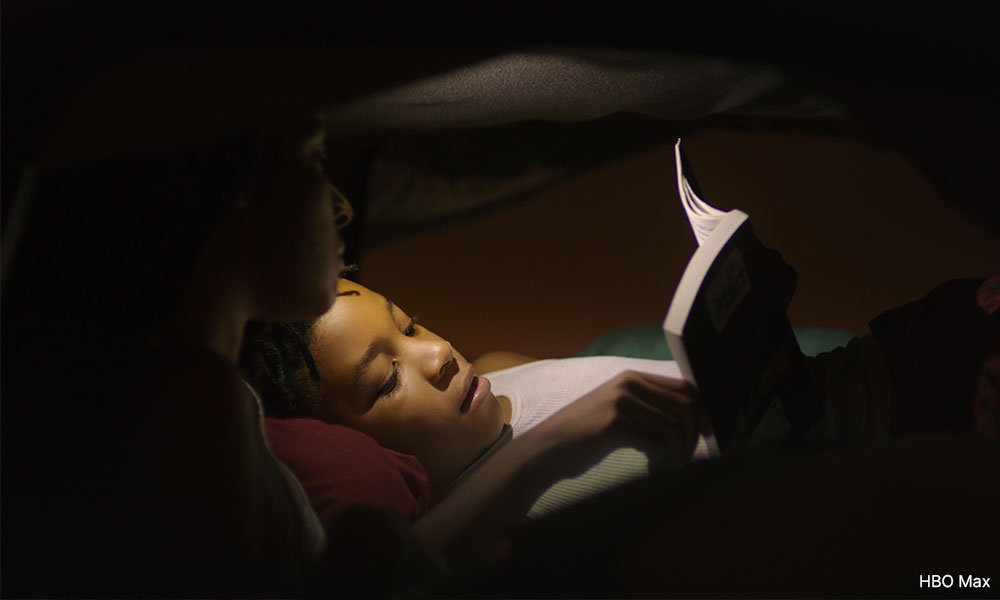
"We were told that (the company) was going to be sending (the submission for the Emmys) in but we didn't realise that they had already sent it until the nominations came out.
"It was quite a surprise - for me, anyway," Tan, 28, told Malaysiakini.
The Kuching native described the film as an opportunity for families to have difficult discussions about bigger societal issues.
"We wanted to tell the story because I think the point of the show is to have something parents and children can watch together and have these difficult discussions.
"When we were kids, a lot of us weren’t given the opportunity to talk about big issues like that. This film is an opportunity in that world.
"Ultimately, these are kids. I think all the children in our film have a different degree of understanding of their situations," said Tan in a Zoom call.
Part of an inaugural series by the impact arm of the Sesame Workshop, "Through Our Eyes" is a collection of short documentaries about children around the US facing serious issues such as having incarcerated parents, children affected by climate change, as well as those with parents who are war veterans, returning home with post-traumatic stress disorder.
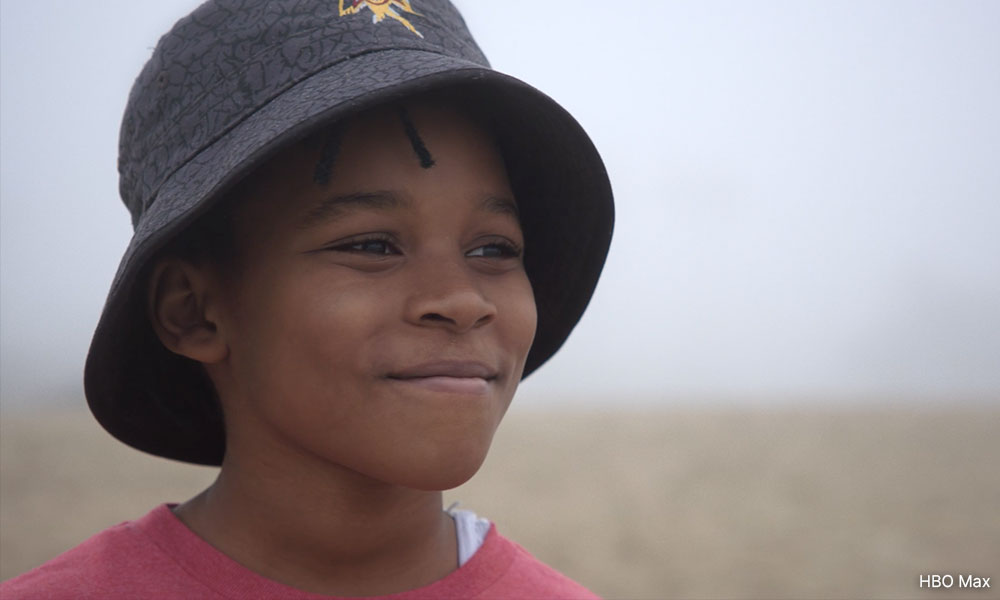
The series unfolds the tales of three unhoused families in Los Angeles, California as they seek steady shelter, with each facing unique challenges from eviction threats, living paycheque to paycheque and spending the summer in their car.
There is a difference between homelessness and houselessness, Tan pointed out mid-conversation.
Homelessness vs houselessness
"We’re bringing light to a lot of different circumstances and what it means to have a home is also very important, because a lot of them don't necessarily consider themselves homeless.
"Some just call themselves ‘houseless’, which is a very important term to have sometimes because a home is different from a house," said the filmmaker.
She pointed out that some of the younger characters in "Shelter" were notably a part of the decision-making process in their families or fighting for change in their communities and their personal circumstances - with one mother in the film being a housing rights activist herself.
Challenges
The documentary was shot in California, amid the worldwide Covid-19 outbreak from June to November 2020.
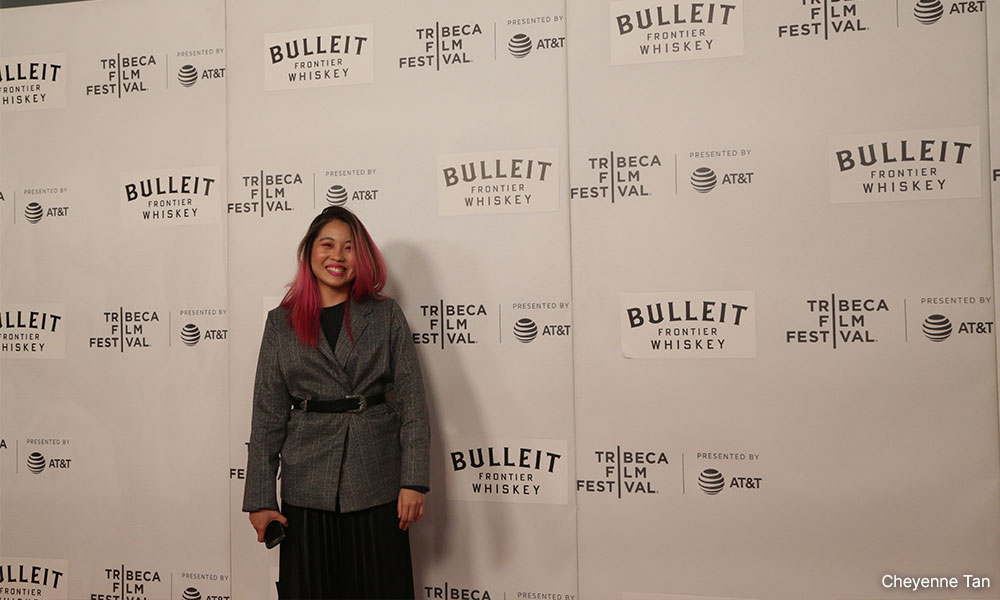
According to Tan, navigating the production of the film during the pandemic was something the crew had grappled with.
"At the time, there were still no proper protocols about how to film during a pandemic. A lot of people in the industry were scrambling to put together a plan and figure things out.
"At first, we were considering turning it into an animation just to get around that Covid-19 circumstance but ultimately, we managed to figure out the proper SOP (standard operating procedures)," she said.
"Our cinematographer had been filming throughout the pandemic, but he had a strict rule about people coming close to him as he filmed," Tan added.
Some say ignorance is bliss
Despite working Los Angeles hours with American production house Meralta Films, the filmmaker is currently back in her hometown of Kuching, Sarawak after spending the majority of her life as a young adult abroad.
After a brief spell in a Chinese vernacular school as a child, Tan and her two younger brothers followed their father in his postgraduate studies in the United Kingdom for a year and a half.
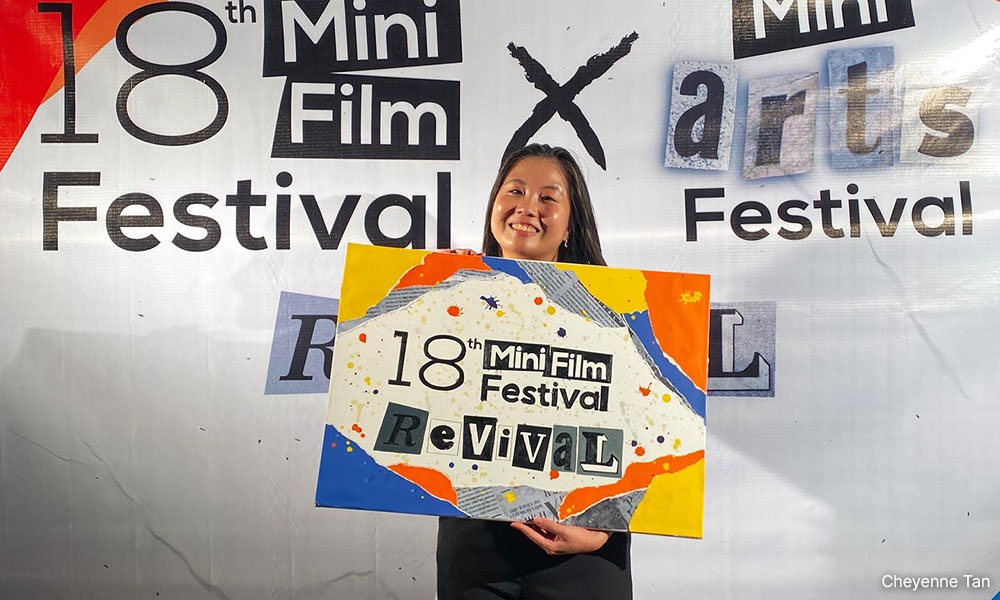
Upon her return, Tan found it hard to switch back to the curriculum and was sent to a national school instead.
"It was also a conservative school. There was a lot of unlearning of what was taught to us as girls that a conservative Christian school would teach when I left for university and studied things on a deeper level.
"I moved to the US to attend a really small film school. This was in early 2015," she said.
Describing herself as someone who was always questioning the system, it was no surprise that Tan has landed herself in a field where she is constantly examining and reading between the lines to find nuance in difficult subjects.
"I've always been pretty vocal about questioning stuff like that. When it comes down to actual storytelling and filmmaking, I realised that I have a passion for both.
"Marrying the two of them in the form of whatever film I make - scripted or unscripted - is definitely a calling. I decided I wanted to do it.
"My entry point is just that. I've always wanted to be a storyteller and I've always wanted to tell stories that make people think about the world that they live in, and how we can change that for the better or make it more meaningful," she said.
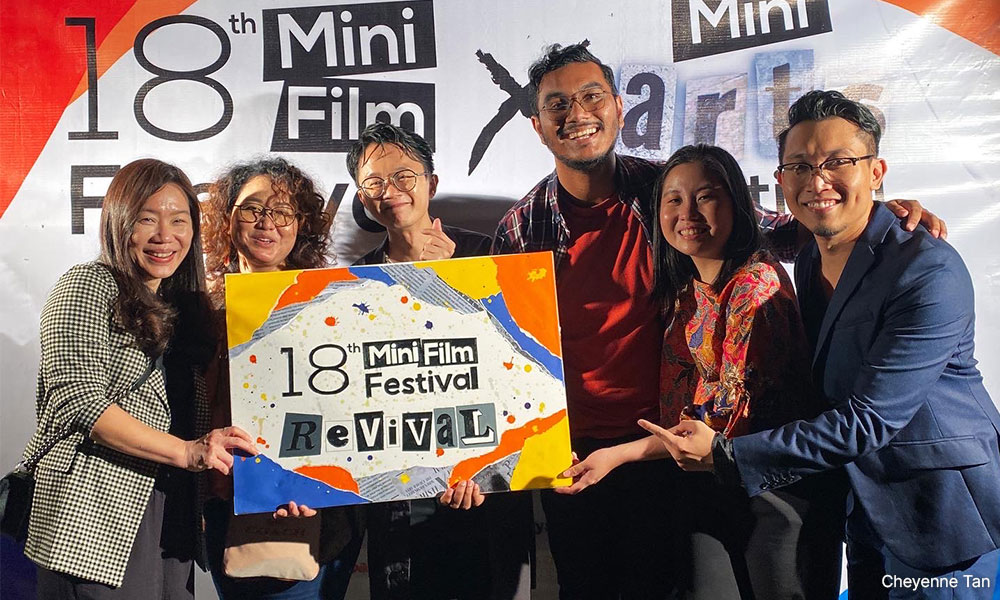
Tan also attributed her ignorance and disregard for barriers in the industry as key factors in her success.
"I think ignorance has given me a lot of courage to do things that I otherwise wouldn't have done myself.
"Looking back, had I known how difficult it is to get into the industry as a woman with no connections and no network of my own, to begin with, I probably wouldn't have done it but I did it anyway because I didn't know better.
"Because I was naive, innocent and ignorant, I decided that these things may not be true, so I just did it," said Tan, likening it to her solo move to the US in her early 20s.
When asked about those who inspire her, the young filmmaker named award-winning director and producer Smriti Mundhra - with whom she closely works with.
Tan began her film career with Mundhra and has stuck with her ever since.
"I shadowed her on projects. I was her assistant for a while. I know Mundhra’s workflow very well but I also look up to how well she can pivot from project to project very fast and be on her A-game, almost the whole time.
"She's able to talk about things like death row to pop culture, and celebrity-driven documentaries on the same day. She's always coming up with ideas," said Tan.
She also cited the works of Korean filmmaker Bong Joon Ho - who was behind the critically-acclaimed movie "Parasite" and whose films are known for their biting social commentary.
Directorial debut
That being said, Tan expressed a desire to return to directing - which she was more actively pursuing in film school.
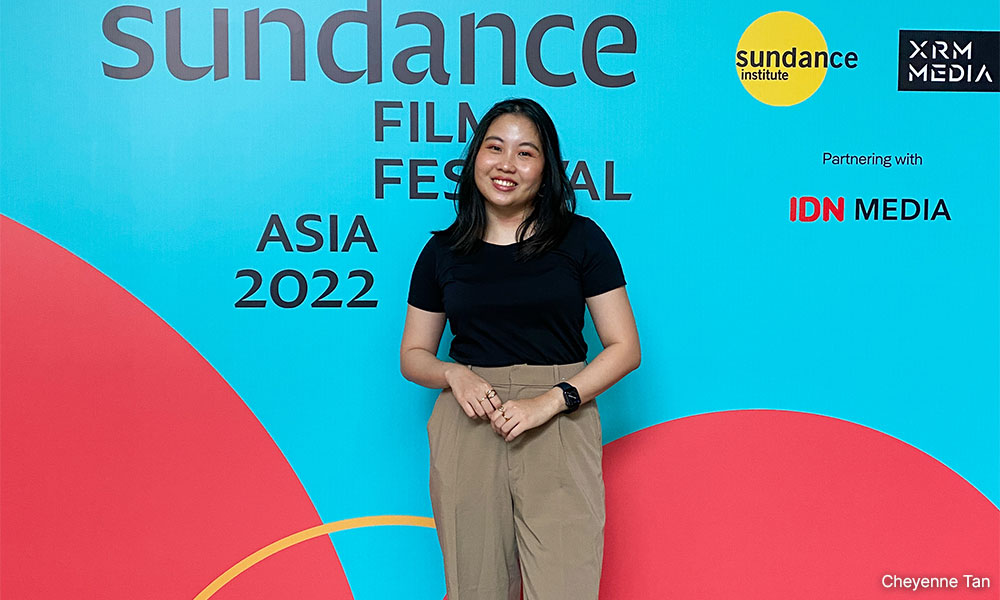
"Producing is something that I kind of fell into by accident because when I was making my thesis films, I was the one with connections and access to the characters and the subjects, so it made sense for me to produce it.
"As a storyteller, I put a lot of importance into my directorial debut as a professional filmmaker. Not a lot of people in the industry would do (the same).
"Someone in the film school once advised me that I should start where I want to end up, and therefore I only looked for jobs in documentaries because that's exactly where I wanted to end up and it had worked," said the filmmaker.
Coming back home this time, Tan said, "I decided that I want to make something of my own, but I don't know what it is yet.
"It's so easy to pigeonhole people into certain areas, like you're good at making documentaries about social issues, and then that's all you'll do.
"It's so hard to do other stuff, but again, I think it's something that I want. I want my first documentary to be so 'me'. My voice is so obvious and apparent in it that it's undoubtedly my work.
"Despite the accolades for my work, I feel like I still have a lot to prove in terms of my voice as a filmmaker," Tan said.
MALAYSIANSKINI is a series on Malaysians you should know:
Waterskier Aaliyah Yoong continues making big splash
Autism Cafe Project: Born out of a father's love for his son
Rising star Heerraa is just getting started
Hailing from Ipoh, Ranjinder now heads Hollywood PR firm
Meet the stroke survivor behind Kafe Basikal Tua
Hands Percussion founder Bernard Goh believes love will find a way
Model won't let vitiligo get in the way of her dreams
Scaling the world’s highest peaks with no fingers
/file/publisher-c1a3f893382d2b2f8a9aa22a654d9c97/2022/09/cea9fc65f55067b03355fbcd6ba0ecdf.jpg)
/file/publisher-c1a3f893382d2b2f8a9aa22a654d9c97/2022/08/a51eae612a7998f47eec472788e0d623.jpg)
/file/publisher-c1a3f893382d2b2f8a9aa22a654d9c97/2022/08/3e4e21036c207403aa2d0a828f926479.jpg)
/file/publisher-c1a3f893382d2b2f8a9aa22a654d9c97/2022/07/7a2d47d1d5c7cacd0a2ef2fed8944981.jpg)
/file/publisher-c1a3f893382d2b2f8a9aa22a654d9c97/2022/08/864c3e9609ce52b043dd4f7f30fb1f75.jpg)
/file/publisher-c1a3f893382d2b2f8a9aa22a654d9c97/2022/07/a1ec5e78a8a63bb4c7082fd1aa49f592.jpg)


Report this comment
Are you sure you want to delete this comment?
This action cannot be undone.