


S’gor Mufti Dept: Giving anti-HIV drug to LGBT is colluding in sin
The Selangor Mufti Department said providing a drug meant to prevent HIV infection to those engaging in “homosexual lifestyles” is colluding with sin.
However, Pre-Exposure Prophylaxis (PrEP) is permissible to be dispensed to married couples where one of them is infected with HIV, the department stated on its website.
“Generally, consuming or dispensing PrEP is...
The Selangor Mufti Department said providing a drug meant to prevent HIV infection to those engaging in “homosexual lifestyles” is colluding in sin.
However, Pre-Exposure Prophylaxis (PrEP) is permissible to be dispensed to married couples where one of them is infected with HIV, the department stated on its website.
“Generally, consuming or dispensing PrEP is diharuskan (permissible) for married couples where one spouse is infected with HIV (and can infect the other spouse) through marital relations.
“However, dispensing the drug to those who are known to engage in homosexual lifestyles is prohibited because it is deemed as colluding in sin and wrongdoing,” it said.
The department was responding to a public query through its e-musykil service, where the public can submit questions for clarification on Islamic rulings on specific matters.
However, in response, advocacy group Saksi said withholding PrEP from the LGBT community for moral reasons is unacceptable.
“If denying a diabetic patient insulin because you ‘disagree with their lifestyle choices’ sounds barbaric to you, then denying PrEP to LGBT people should also invoke the same response.
“There is no place for discriminatory attitudes in our healthcare system,” Saksi, an initiative by the Women’s Aid Organisation, said on Twitter.
The Galen Centre for Health and Social Policy urged the Selangor Mufti Department to review its position, which the centre said was "misinformed and likely to mislead the public".
"I recommend that the Selangor Mufti Department review its published position on this issue and consult with Malaysia's infectious diseases and public health experts to improve its understanding of this matter," the centre's chief executive Azrul Mohd Khalib said.
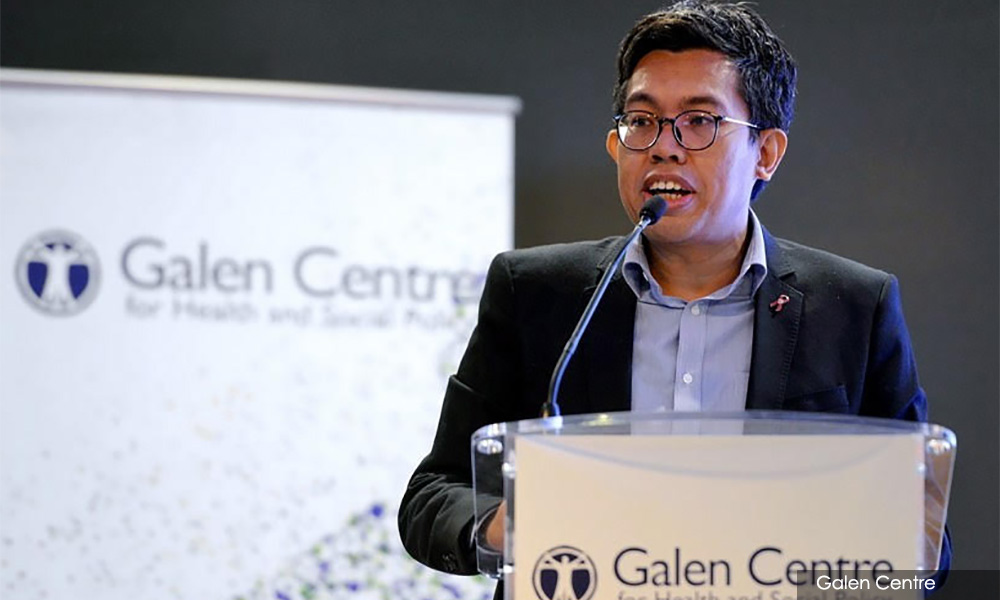
He said imposing beliefs and dogma in public health programmes have been proven to cause more harm than good.
Azrul added that PrEP has been available in Malaysia since 2017 and is already part of the government's National Strategic Plan for Ending AIDS 2016-2030.
The Health Ministry has been lauded internationally for its pragmatic and compassionate approach against HIV, which includes needle exchange programmes and opioid substitution therapy, he said.
The approach had led to a drop in infections but now, the epidemic is no longer driven by injecting drug use, but sexual transmission - something the PrEP can prevent, Azrul added.
Some healthcare professionals against dispensing PrEP
Earlier, a group of Muslim healthcare professionals said the Health Ministry’s move to dispense PrEP for free to target groups, including men who have sex with men, is against their faith.
The group also said PrEP should be coupled with risk-reduction counselling, where the recipients are counselled against high-risk behaviours.
However, infectious diseases experts working to curb the spread of HIV in Malaysia said refusing to dispense PrEP to men who have sex with men on morality grounds is taking away the most effective weapon against the spread of HIV, to date.
The PrEP has a 99 percent efficacy rate of preventing HIV transmission through sex and a 74 percent efficacy of preventing transmission through injection.
It reduces the viral load in an infected person’s body so they cannot transmit it through sex or injection.
Pilot study
The Health Ministry is dispensing PrEP for free to target groups at selected Public Clinics, as part of a two-year pilot study funded by The Global Fund, an international body working against HIV, tuberculosis, and malaria.
It is expected to reach 10,000 people at selected public clinics in Selangor, the Klang Valley, Johor, Penang, and Sabah.
Sexual transmission is now the main driver of HIV transmission in Malaysia.
Men who have sex with men are expected to be the main key population affected by HIV in Malaysia in 2030, according to projections published by the Health Ministry.

At the end of 2020, 92,063 people in the country were living with HIV, with 13 percent unaware until notified through the national surveillance system.
In 2020, 3,146 new cases were reported, with this figure projected to be on the rise and reaching levels from three decades ago by 2030.


Report this comment
Are you sure you want to delete this comment?
This action cannot be undone.