


/file/publisher-c1a3f893382d2b2f8a9aa22a654d9c97/2022/01/370786394b55f01f862fd9842a097cb8.jpg)

Proposals for reform: Cap on MP pension to indexing to GDP
While replacing MP pensions with Employee Provident Fund (EPF) contributions appears to gain public support, some quarters have other suggestions for reforming MP retirement schemes.
Instead of completely abolishing pensions for a superannuation scheme like EPF, Bersih executive director Ooi Kok Hin said another form of control could be to cap pensions if they exceed RM10,000 a month.
This would ensure that elected representatives...
While replacing MP pensions with Employee Provident Fund (EPF) contributions appears to gain public support, some quarters have other suggestions for reforming MP retirement schemes.
Instead of completely abolishing pensions for a superannuation scheme like EPF, Bersih executive director Ooi Kok Hin said another form of control could be to cap pensions if they exceed RM10,000 a month.
This would ensure that elected representatives who served at the state and federal levels would not enjoy exorbitant sums in pensions.
For example, Semporna MP Shafie Apdal is estimated to enjoy just over RM40,000 a month in pensions once he retires, topping the amount in pensions awaiting MPs elected in the 14th and 15th general elections.
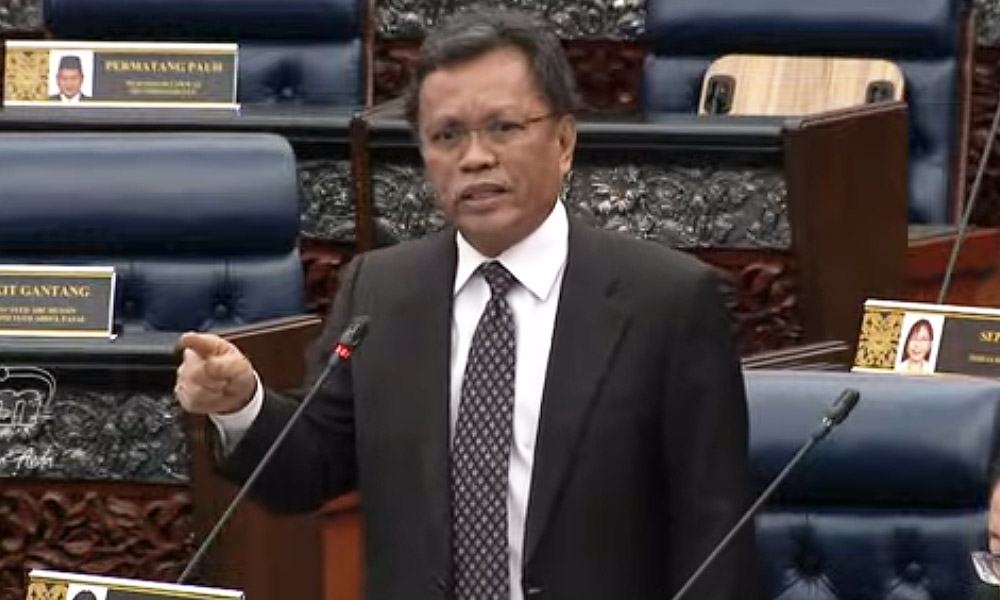
“Some pensions reach RM40,000 a month. It is reasonable to cap the maximum pension to RM10,000, including for civil service chief secretaries.
“The state is obliged to take care of your basic necessities after retirement, not subsidise your rich lifestyle.
“Those funds can be used to hire more teachers and absorb contract doctors and specialists into the civil service,” he said on X.
Alternatively, he said, MP pensions should be abolished completely.
In its place, MP allowances are raised while the elected representatives are banned from holding any other full-time positions, such as running their own business or law firm while serving as MP, he said.

He was commenting on the Kini News Lab’s two-part series which examines MP pensions and allowances.
Indexing to average GDP
Former public policy strategist Omar Mustapha Ong proposed a system where MP pensions and remunerations are indexed to the average GDP growth rate over 10 years during and immediately after their service.
For example, a 45-year-old MP who serves for five years from 2022. At the time, the average GDP growth rate was 4.2 percent.
However, in the five years after he retires, the average GDP dips to 3.4 percent.
In Ong’s indexed method, this MP’s pension will rise by 4.2 percent yearly for the first five years of his retirement to reflect the average GDP while he was in service, and reduced to 3.8 percent after that.
For the subsequent five years, “the annual pension increment reduces to (4.2 + 3.4 percent) divided by 2 = 3.8 percent) for the remaining period,“ he said.
This way, Ong said, MPs’ interests align with supporting policies to grow the GDP.
Index to minimum wage to reduce class gap
The Kini News Lab article was accompanied by a poll asking readers if they agree that MP pensions should be replaced with EPF contributions.
A total of 96 percent of 8,036 votes were in the affirmative, while more than 300 comments were left by readers sharing their views on the issue.
Some also contributed their ideas for reforming the pension and remuneration schemes.
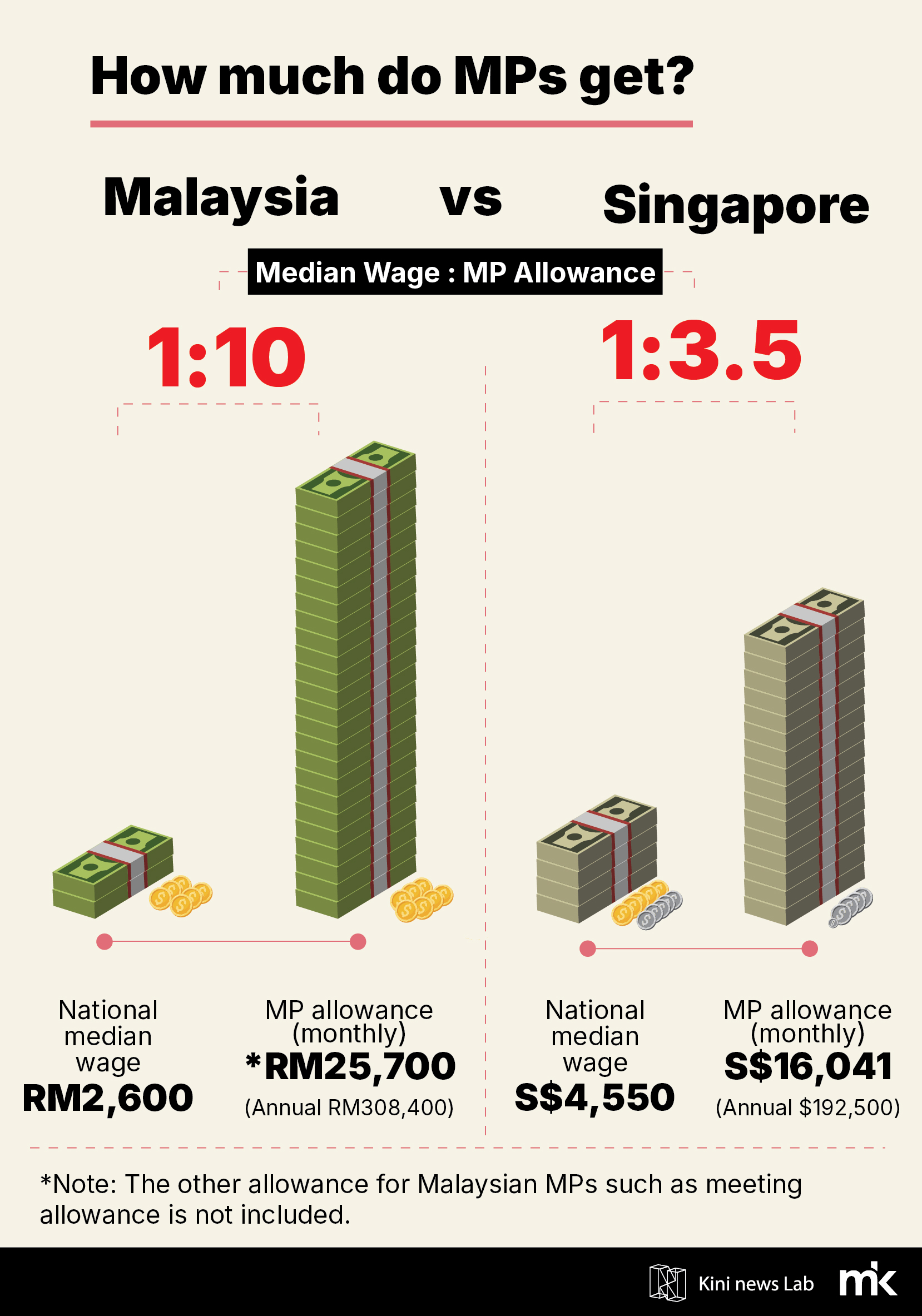
Norita Ngantiran proposed that MPs’ fixed allowances - which now sit at about 10 times the national median wage - should be indexed to the minimum wage instead.

She added this is to reduce the big wage gap between average Malaysians and MPs, something that can also be addressed by replacing MP pensions with EPF contributions.
“A career in politics should not be considered extra special. We are all workers building the nation. There must not be a gulf between classes. This wall should be demolished!” she said.
Several readers proposed extending the minimum serving time to qualify for a pension from one term to at least three terms, while others propose only allowing pensions to be disbursed to spouses of deceased MPs if the spouse has no other income.
Set better qualifications for MPs
Like some of the readers, Amanah Youth’s communications director Asim Abdullah Ainullotfi proposed ensuring that MPs are better qualified for the job, so they are worth the allowances and pensions paid.
He said the pay is reasonable considering MPs are responsible for national laws and policies, and there is a lot of work to be done to update our laws, he said.

“But the reality is, not all MPs understand the law, or discuss and debate policy matters effectively.
“This is why on top of changing the pension scheme, I propose there should be set criteria for becoming an MP, like holding a university degree, being physically fit, within an acceptable age range and having certain expertise,” he said.
Meanwhile, Taylor’s University senior lecturer Benjamin Loh said one of the reasons MP allowances are high is the fact that they are seen as “one-stop centres” to receive and address complaints by locals, especially in rural constituencies.
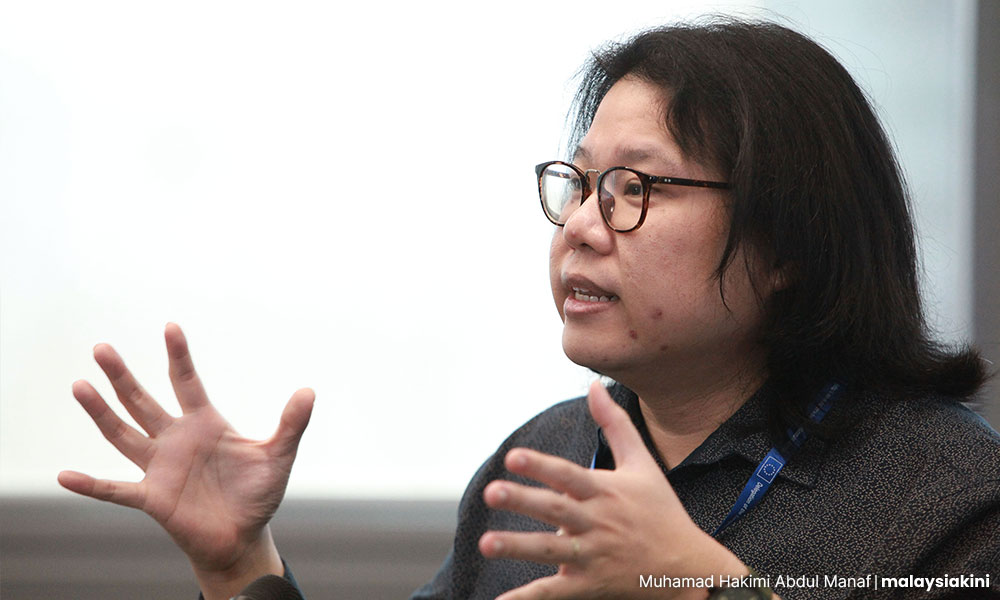
“The main problem of course is that your assemblyperson or MP is not meant to be a one-stop centre for all your problems.
“Many of them should be addressed by other services or focused on the proper authorities instead. MPs’ primary role is to serve as lawmakers, not problem fixers,” he said.
READ MORE: How much pension can MPs receive?
/file/publisher-c1a3f893382d2b2f8a9aa22a654d9c97/2021/07/c7c7eec58df46869c6d7c9ad252de13f.jpg)
/file/publisher-c1a3f893382d2b2f8a9aa22a654d9c97/2021/07/5b7a143287301b9c9fe45c2010a00bdb.jpg)
/file/publisher-c1a3f893382d2b2f8a9aa22a654d9c97/2024/03/aa72cf97424eb3d45ceb28bc12d7fd91.jpg)
/file/publisher-c1a3f893382d2b2f8a9aa22a654d9c97/2024/06/e1f86ebea3a39bb6dacb73b56b1f6784.jpg)
/file/publisher-c1a3f893382d2b2f8a9aa22a654d9c97/2024/04/609ca6302d406cb239da3d5d94cfd805.jpg)


Are you sure you want to delete this comment?
This action cannot be undone.