


/file/publisher-c1a3f893382d2b2f8a9aa22a654d9c97/2024/05/37b78509622222fd4edcb1f267c52f13.jpg)

Drug rehab officers are not doctors, MMA tells govt
The group took issue with the lack of medical experts involved in the proposed drug rehabilitation process, despite substance abuse and addiction being a medical issue.
“In view of these many concerns, including...
The Malaysian Medical Association (MMA) has joined civil society groups in calling for the government to defer the Drug Dependants (Treatment and Rehabilitation) (Amendment) Bill 2024, pending further consultations and changes.
The group took issue with the lack of medical experts involved in the proposed drug rehabilitation process, despite substance abuse and addiction being a medical issue.
“In view of these many concerns, including concerns highlighted by many other experts, we urge the government to halt the bill until proper engagements are held with stakeholders.
“We wish to state that the Home Ministry had not consulted MMA with regard to the bill.
“Careful consideration and refinement by a special committee is needed before the bill is passed,” said MMA president Dr Azizan Abdul Aziz (above) in a statement today.
Home Minister Saifuddin Nasution Ismail tabled the amendments for a first reading at the Dewan Rakyat on Tuesday.
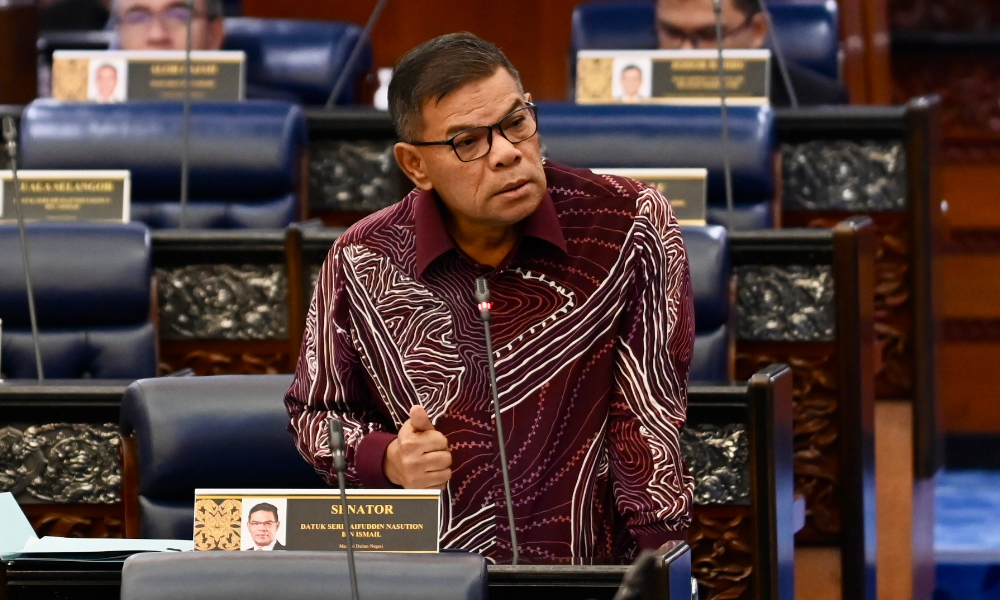
They aim to expand the scope of the existing law to cover other forms of substance abuse.
Saifuddin said the second and third readings of the bill are slated for the current parliamentary meeting, meaning they will be held before July 18.
Should consult doctors
However, the MMA said it is concerned about Section 6(2) of the bill, which empowers a magistrate to order a drug or substance dependent to undergo rehabilitation for up to two years.
This is after the magistrate receives a recommendation from a rehabilitation officer, and after giving the drug or substance dependent the opportunity to make representations.
The proposed law defines a rehabilitation officer as any officer appointed under Section 5 of the National Anti-Drugs Agency (Nada) Act 2004, meaning every Nada officer other than its director-general.
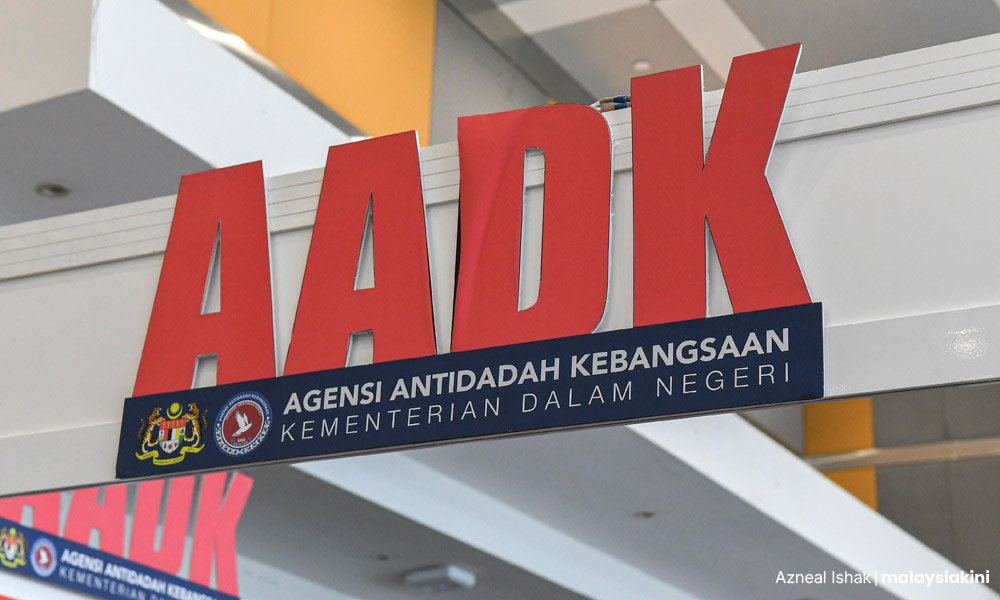
Azizan insisted the magistrate must obtain recommendations from a doctor with specialised training, not a rehabilitation officer, before deciding the duration of the treatment and rehabilitation.
He added that treatment must be managed by psychologists or psychiatrists, who would also need specialised training for managing addictions.
“We wish to highlight that substance dependence is a medical and health condition.
“Rehabilitation officers are not doctors and are therefore not qualified to provide expert recommendations on the management of substance dependants,” Azizan said.
Definition of dependence
She also highlighted that it is incorrect for the proposed definition of “dependence” to be the “use of any dangerous drug or substance (indicating) the characteristics of dependency on the dangerous drug or substance that affects self-control which is verified by tests”.
The medically accepted definition of substance dependency comes from the Diagnostic and Statistical Manual of Mental Disorders, Fifth Edition (DSM-5), which spells out 11 criteria for making a diagnosis.
She said the DSM-5 defines substance dependency as a “problematic pattern of drug use leading to distress or functional impairment”, which may be classified as mild, moderate, or severe depending on the number of criteria met.
The criteria considered by the DSM-5 include unsuccessful attempts to cut down or control use, spending excessive time acquiring or using drugs, craving, neglecting responsibilities, and continued use despite social or personal consequences, and the development of tolerance and withdrawal symptoms.
“The causes of substance dependence are rooted in biological, psychological, and social factors. It requires extensive assessment through taking a detailed and targeted history, and clinical examination, before doing blood/urine tests.
“Most doctors have to undergo specialised training for this.
“The question we need to ask is, ‘Are officers and volunteers from AADK trained in this area?’,” Azizan said.
Yesterday, the Malaysian Aids Foundation similarly called on the government to defer the bill.
It expressed concerns over the punitive nature of the proposed amendments, as well as sharing the MMA’s worries about assigning certain responsibilities to rehabilitation officers.
/file/publisher-c1a3f893382d2b2f8a9aa22a654d9c97/2019/09/a5f87e2ffd5bae35745015a9ccf027c1.jpg)
/file/publisher-c1a3f893382d2b2f8a9aa22a654d9c97/2024/07/a979e6a3814e56e92a99151ed125130f.jpg)
/file/publisher-c1a3f893382d2b2f8a9aa22a654d9c97/2024/06/a951fb7c2e999e35c3789e3f9fb763d9.jpg)


Report this comment
Are you sure you want to delete this comment?
This action cannot be undone.