


/file/publisher-c1a3f893382d2b2f8a9aa22a654d9c97/2024/07/5e0db2e8f1fa7af5e393703911c67bc5.jpg)

From first graduate in family to Harvard-trained global neurosurgeon
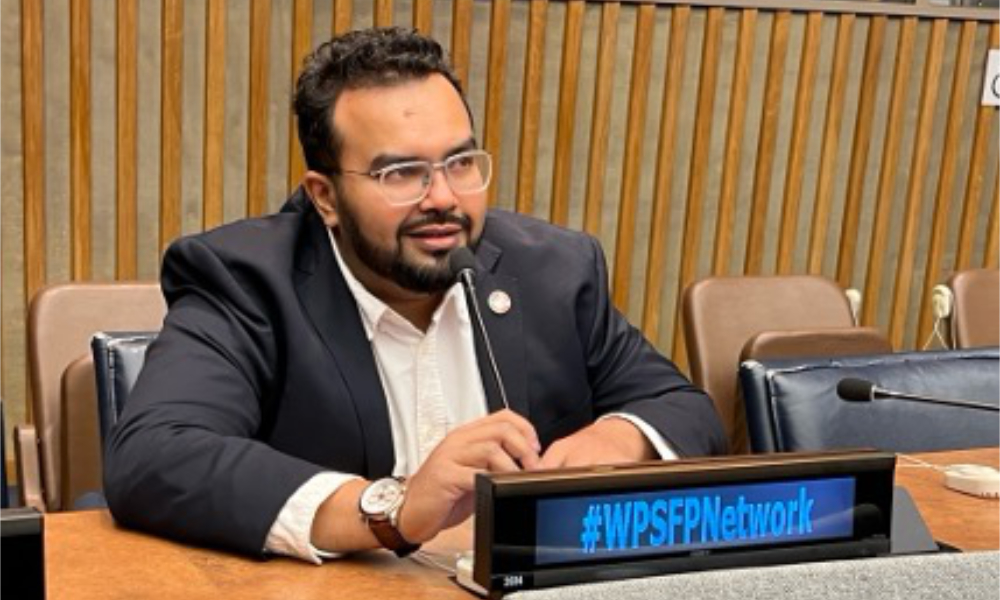
MALAYSIANSKINI | Dr Radzi Hamzah is a medical doctor who recently completed a post-doctoral fellowship in global surgery at Harvard Medical School.
In fact, he is the first Asian to be part of Harvard’s global neurosurgery programme. Global surgery is defined as a multi-disciplinary effort aimed at improving access to timely, safe, and affordable surgical care for everyone in need around the world.
MALAYSIANSKINI | Dr Radzi Hamzah is a medical doctor who recently completed a post-doctoral fellowship in global surgery at Harvard Medical School.
He is the first Asian to be part of Harvard’s global neurosurgery programme. Global surgery is defined as a multi-disciplinary effort aimed at improving access to timely, safe, and affordable surgical care for everyone in need around the world.
As a global neurosurgeon, this would mean Radzi goes to parts of the world affected by war, poverty and natural disasters and performs complicated surgeries under trying circumstances.
Perhaps what makes Radzi’s achievement so personal and compelling is that he is the first person in his family to complete tertiary education.
And not limiting himself to the medical field, he has gained recognition in the US as an anti-racism campaigner.
Here is Radzi’s story, in his own words:
My journey
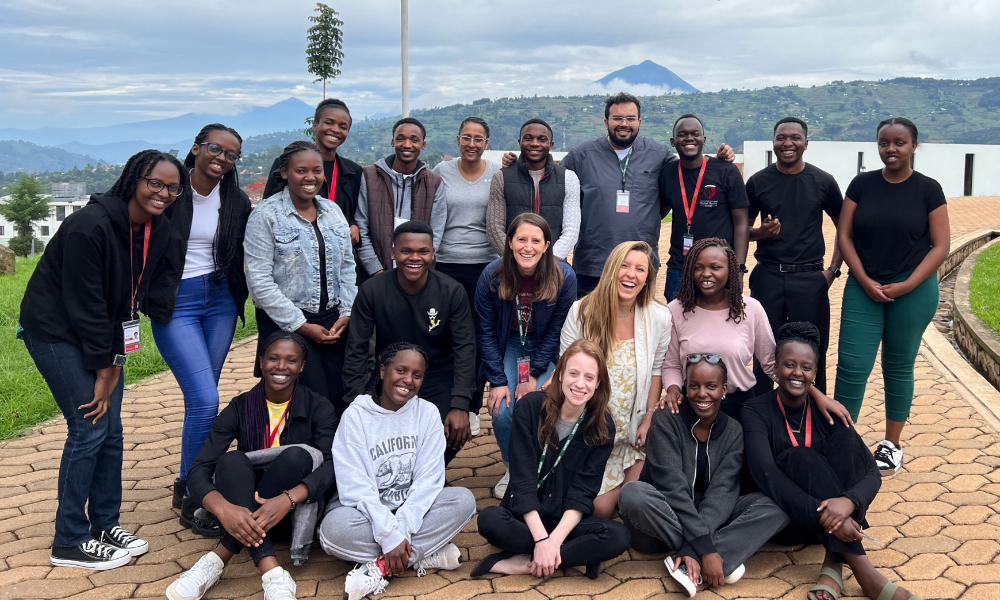
My journey into this field is deeply personal and professional. My father’s untimely death due to liver failure while awaiting a transplant and my experiences working with neurosurgical patients in Sarawak highlighted the need for robust and equitable surgical systems.
I have seen many patients who come late to seek care, resulting in higher morbidity and mortality.
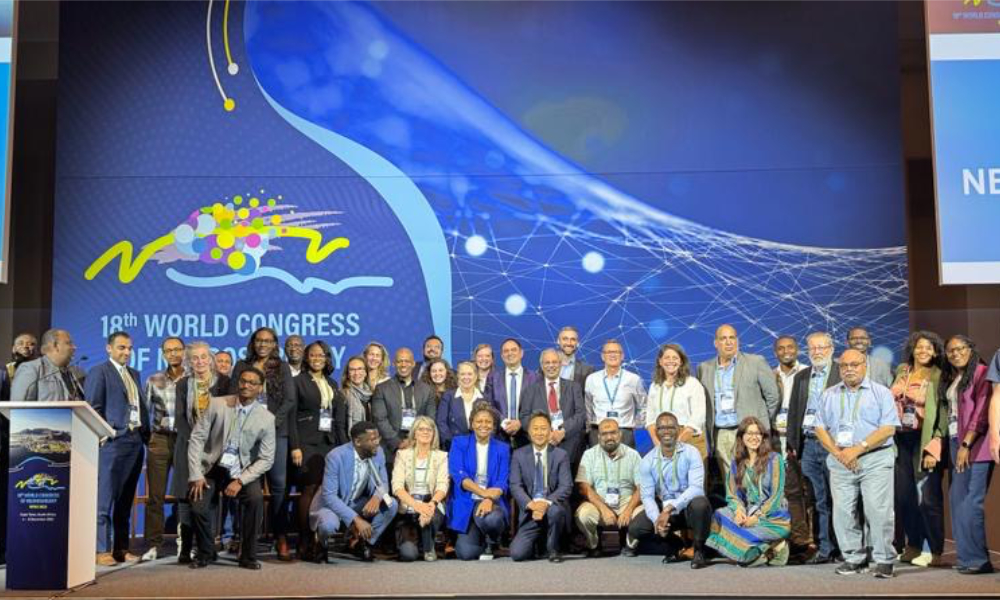
My meeting with Dr Kee Park, a faculty member of the global neurosurgery programme, at the 18th World Congress of Neurosurgery in 2017 further inspired me to pursue this path.
Park spoke on the unmet needs of neurosurgical care worldwide, and his talk allowed me to join his lab for exposure before my eventual acceptance into the programme.
While I have yet to visit (countries like) Afghanistan and Sierra Leone, I have built strong virtual relationships with partners and collaborators there, including neurosurgeons and ministry officials.
This year, we are expanding our efforts to include five more countries: Haiti, South Sudan, Mozambique, Liberia and Gambia.
Our goal is to improve neurosurgical systems in these countries over the next five years.
Additionally, my travels to Rwanda, South Africa, and India have shown me the resilience and dedication of local healthcare providers.
In Rwanda, I was involved in creating a low-cost model for surgical training for medical students, while in India, I helped develop a consensus statement on building a trauma system.
My work in Afghanistan started during the regime change, and we worked remotely with the neurosurgeons there to identify gaps and subsequently address them.
We have managed to upscale the neurosurgical capacity in the country by upgrading infrastructure and instruments in the nine main hospitals and starting a telemedicine programme to aid with surgical training.
This has convinced me that impactful work is possible even in politically unstable regions, given the right motivation, team, and technology.
Education, good values
I am the first in my family to attend university as my parents come from humble backgrounds and could not complete their schooling due to financial constraints.
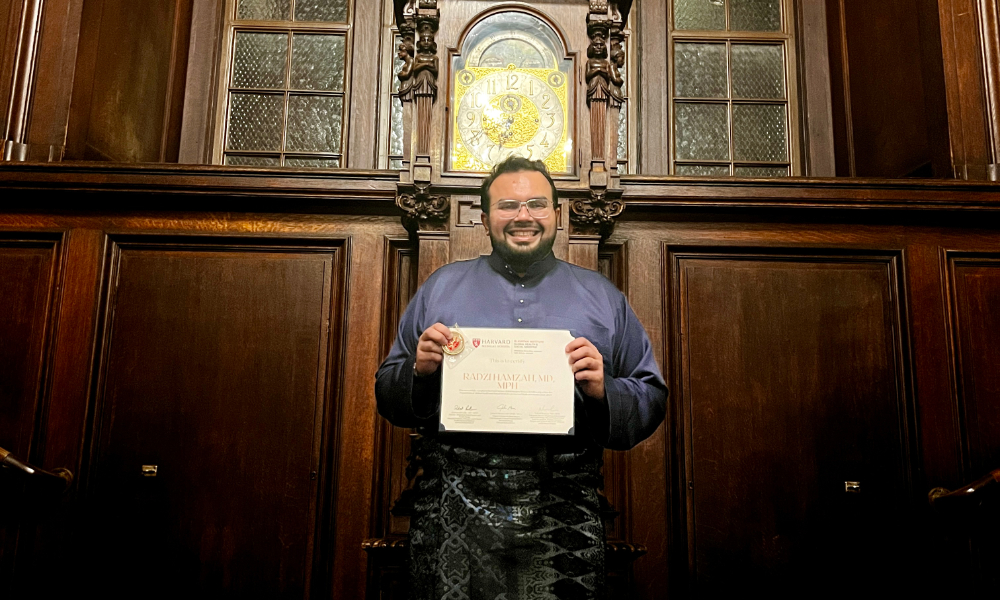
I am 36 years old, and the eldest of four siblings. I attended SK Taman Nirwana for primary school and SMK Pandan Jaya for secondary school. I received a Public Service Department scholarship to study medicine at Manipal University after achieving straight As in my Sijil Pelajaran Malaysia.
My late father was a police officer, and my mother is a housewife. My father passed away 10 years ago, and I have been supporting my family since.
Despite our financial challenges, my parents prioritised education above all else. My mother sold food and cookies with the help of my father to ensure that all of us had the opportunity to pursue higher education. Their relentless dedication and sacrifices have been the foundation of my achievements.
My younger sister is studying data science at International Islamic University Malaysia, and all my siblings have attended university.
My parents instilled in us the values of kindness, generosity, and resilience. These principles have been instrumental in shaping who I am today. Their unwavering support and belief in the power of education have driven me to excel and give back to the community.
I would also be remiss if I didn’t mention my acquired family, made up of close friends, mentors, and people I have met along the way who have supported me throughout my journey, especially over the last few years.
Acquired family
My time at Manipal University was foundational for my career, and I participated in a twinning programme, studying pre-clinical courses in Manipal, India and completing clinical training in Malacca.
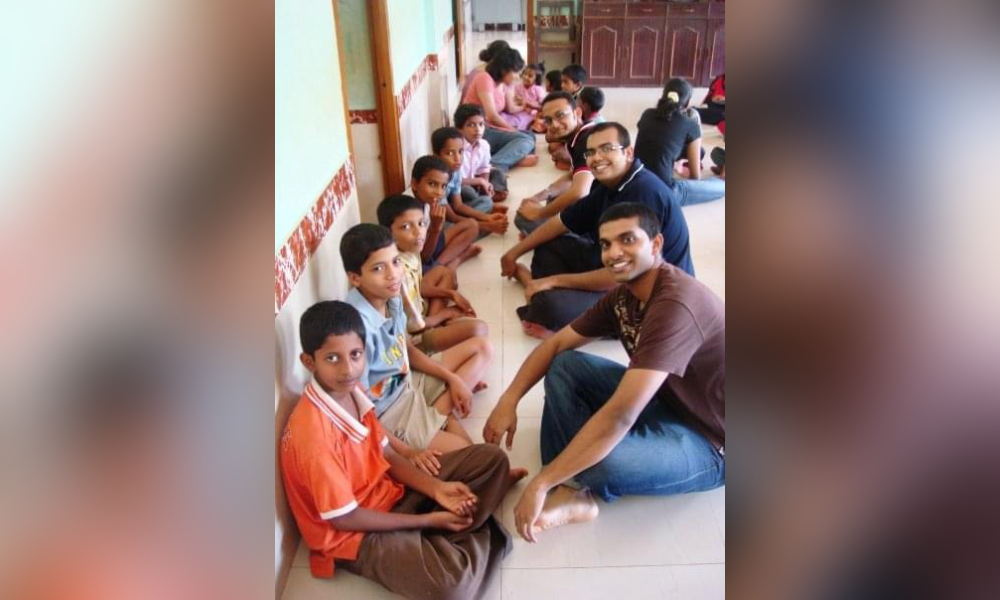
The experiences I had, from leading a volunteer group teaching orphans in rural Karnataka to receiving excellent medical training from dedicated professors, shaped my professional and personal growth. The friendships I formed during this period continue to support me today.
Culturally, Manipal was a vibrant and diverse environment that broadened my horizons. Interacting with students from various backgrounds taught me the importance of cultural sensitivity and global perspectives in healthcare.
Socially, the university’s inclusive atmosphere fostered lifelong friendships and collaborations. I fondly remember participating in cultural festivals, sports events, and community service projects, all of which enriched my university experience.
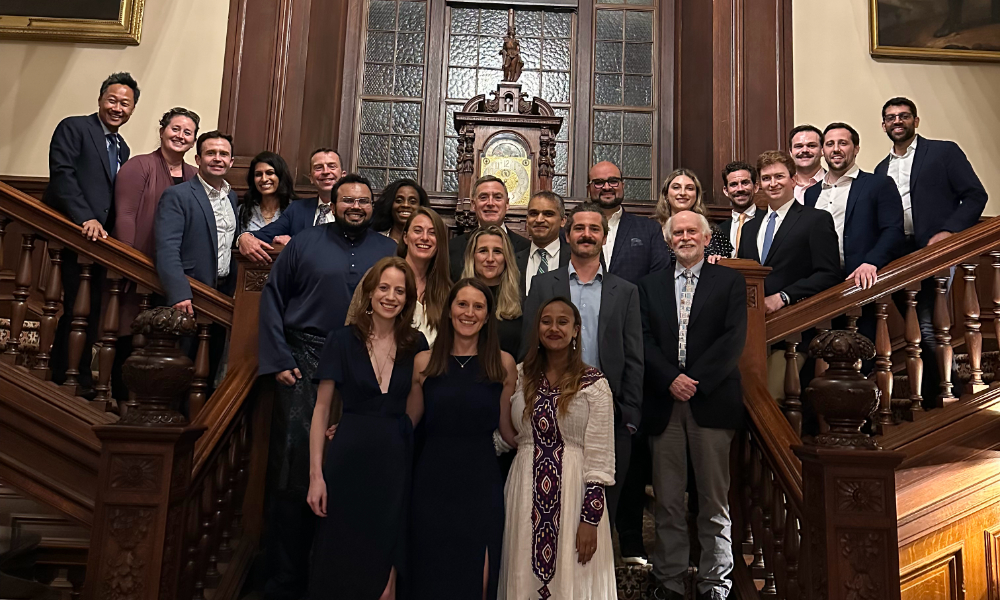
Several professors had a significant impact on my journey. Prof Jaspal Singh, my dean and Prof Abdul Razzak, the pro-vice-chancellor, were even instrumental in my acceptance into Harvard for my master’s degree by writing strong letters of recommendation, while Prof MV Kumar not only recommended me for an attachment at Mount Sinai Hospital in New York City but also instilled in me a discipline and love for surgery.
These mentors, along with many other dedicated professors and doctors in Manipal and Malacca, guided me and shaped my career path.
Social justice
Social justice is close to my heart and at Harvard, I was appointed the fellow in charge of justice, equity, and anti-racism.
One specific initiative I led was the creation of a comprehensive anti-racism curriculum tailored to address the unique challenges faced by our diverse medical community.
This involved organising workshops, seminars, and discussion groups that engaged both faculty and students in conversations about implicit bias, systemic racism, and strategies for creating a more inclusive environment.
The programme was well-received and has since become a model for other institutions looking to implement similar initiatives.
Creating equitable spaces
My personal experiences with racism also fuelled my passion for this work. Growing up, I often felt like an outsider due to my mixed heritage and Muslim background.
These experiences made me acutely aware of the subtle and overt forms of discrimination that individuals from marginalised communities face.
This awareness drives my commitment to creating equitable spaces where everyone feels valued and supported.
While overt racism might be more visible in the US, biases, interpersonal racism, and structural racism are also present in Malaysia.
Personally, I have been fortunate not to experience overt racism during my time in Boston. The key difference lies in how these issues manifest and are addressed in different cultural contexts.
In Malaysia, biases may be more covert and ingrained in societal structures, whereas in the US, they might be more openly discussed but still deeply rooted.
Overall, this has reinforced my belief in the importance of continuous efforts to combat racism and promote equity. By addressing these issues head-on and fostering an environment of open dialogue and action, we can make meaningful progress towards a more just and inclusive society.
The pandemic years
Covid-19 significantly impacted my training and the first two years of my fellowship at Harvard were conducted remotely. This required me to juggle full-time clinical work during the day and fellowship work at night.
Despite the challenges, I was able to contribute to Covid-19 management efforts and volunteer at a refugee clinic. The support from my mentors and the programme at Harvard allowed me to extend my fellowship by a year, providing invaluable in-person experiences and deepening my connections with collaborators.
I also made use of digital tools to keep track of my commitments and deadlines, which helped me stay organised and focused. Regular virtual meetings with my mentors and collaborators ensured that everyone was on the same page and that there were no gaps or misunderstandings.
These meetings also provided a platform for discussing challenges and brainstorming solutions, fostering a collaborative environment despite the physical distance.
Additionally, I leveraged technology to enhance my learning and collaboration. Online seminars, virtual conferences, and digital collaboration tools became integral parts of my daily routine.
Adaptability
Overall, the pandemic taught me the importance of adaptability, effective communication, and the strategic use of technology in overcoming challenges. These skills have been invaluable in my professional development and will continue to guide me.
Global surgery indeed embodies an egalitarian and social justice ethos, aiming to ensure everyone has access to safe, affordable, and timely surgical care.
I do not hold strong political or religious views but strive to live by the principles of kindness and generosity, values instilled in me by my parents. My focus is on humanitarian principles and improving access to healthcare for all, regardless of race, social status, or location.
When I decided to pursue a career in global surgery, my family was both supportive and concerned about the challenges and risks involved. I had many heartfelt conversations with my mother, who worried about my safety and the demanding nature of my chosen path.
Despite her concerns, she trusted my judgment and always offered encouragement and prayers.
Recharging
Maintaining a balance is essential to prevent burnout and my hobbies play a crucial role in helping me unwind and stay balanced.
I enjoy cooking and experimenting with new dishes, which allows me to relax and be creative. One of my proudest culinary achievements is mastering the art of making traditional Malaysian dishes, which I often share with friends and family.
Additionally, I hold a barista certification from the American Specialty Coffee Association, and I love trying out new coffee blends and brewing techniques.
Reading is another passion of mine, and it offers a great escape from the stresses of work. I enjoy both fiction and non-fiction, and I would highly recommend “The Alchemist” by Paulo Coelho for its inspirational themes and JK Rowling’s “Harry Potter” series for its captivating storytelling.
For those interested in social issues, “Multiracism: Rethinking Racism in Global Context” by Alastair Bonnett provides a thought-provoking exploration of racial dynamics.
Additionally, I recommend “Mountains Beyond Mountains” by Tracy Kidder, which details the life of Dr Paul Farmer and his mission to provide healthcare to impoverished communities; “Poor Economics” by Abhijit V Banerjee and Esther Duflo, which offers insights into global poverty and economic development and “The Idealist” by Nina Munk, which chronicles Jeffrey Sachs’ efforts to end extreme poverty.
Also, “The Prophet” by Kahlil Gibran, a collection of poetic essays on life and spirituality, and “Justice” by Michael Sandel, which explores philosophical questions about justice and morality.
Swimming and watching movies are other activities that help me relax and recharge. I also make it a point to spend quality time with family and friends, whether through weekly video calls or simple texts to catch up.
My hobbies are not just pastimes but essential components of my self-care routine. They help me manage stress, stay connected with my loved ones, and maintain a positive outlook, which is crucial for sustaining my demanding career in global surgery.
Message to young Malaysians
Malaysia’s healthcare system provides universal coverage, ensuring access to quality care at a low cost. We have a talented and dedicated group of doctors working in government hospitals. However, there is a need for increased funding to support training, capacity building, and research and development.
The government has started initiatives to improve surgical capacity in rural areas, which is a positive step. To achieve sustainable improvement, we need good governance and policies, community engagement, and continued investment in healthcare infrastructure and human resources.
To young Malaysians, I say do not be afraid to take the first step and be relentless in your pursuit. Creating a new path is challenging, but it is achievable. Remember your purpose, especially if it is to help others and make a social impact.
I am happy to support any students or young Malaysians aspiring to follow this journey. As of now, we have another Malaysian working in the same programme at Harvard, and I believe many more will join in the future. Your journey may be difficult, but it will be rewarding and impactful.
MALAYSIANKINI is a series on Malaysians you should know.
From astronaut ambition to advocacy through animation
How Kurosawa and punk rock shaped Finas chairperson
'Braderwheelchair’ rues poor disabled access in Klang Valley
With tales of the marginalised, Aishah Zainal is off to a flying start
Opening young people's eyes to workers' rights
Juggling ice hockey and art a natural choice for Dhaniya
/file/publisher-c1a3f893382d2b2f8a9aa22a654d9c97/2024/07/4aad910a79183e7861868bd6bb204ee9.jpg)
/file/publisher-c1a3f893382d2b2f8a9aa22a654d9c97/2024/07/c1c007e406d10c4e112a3b6268e03754.jpg)
/file/publisher-c1a3f893382d2b2f8a9aa22a654d9c97/2024/04/032d93f1d80fd93bdab1e92ac755ec31.jpg)
/file/publisher-c1a3f893382d2b2f8a9aa22a654d9c97/2024/03/f4b9c2df08a0ae96276814681d47838b.jpg)
/file/publisher-c1a3f893382d2b2f8a9aa22a654d9c97/2024/06/abb3107ec378df1029e8f66475acfe82.jpg)
/file/publisher-c1a3f893382d2b2f8a9aa22a654d9c97/2020/10/139e32395d45d2a3ee69a00e543cf04e.jpg)


Are you sure you want to delete this comment?
This action cannot be undone.