


/file/publisher-c1a3f893382d2b2f8a9aa22a654d9c97/2024/07/5899ed7131968a58fcadcfdb86f24879.jpg)

Sg Bakap Chinese youth: Fuel subsidy could've caused low turnout
However, a street poll among Chinese voters in the Penang state seat suggested that, for some youths, there was a correlation.
A 28-year-old, who wished to be known as Liu, said that while she voted, many of her friends...
VOXPOP | When Pakatan Harapan lost in Sungai Bakap, Economy Minister Rafizi Ramli pointed to low non-Malay voter turnout as a primary cause, while dismissing the impact of the fuel subsidy rationalisation.
However, a street poll among Chinese voters in the Penang state seat suggested that, for some youths, there was a correlation.
A 28-year-old, who wished to be known as Liu, said that while she voted, many of her friends did not - choosing work over their democratic duties.
Quizzed whether this had anything to do with the fuel subsidy rationalisation, she replied in the affirmative.
“I believe the removal of the fuel subsidy could be one reason why the Chinese community was hesitant to vote,” she told Malaysiakini.
Another 20-year-old voter who declined to be named voiced a similar opinion saying it was compounded with frustrations at those in power.
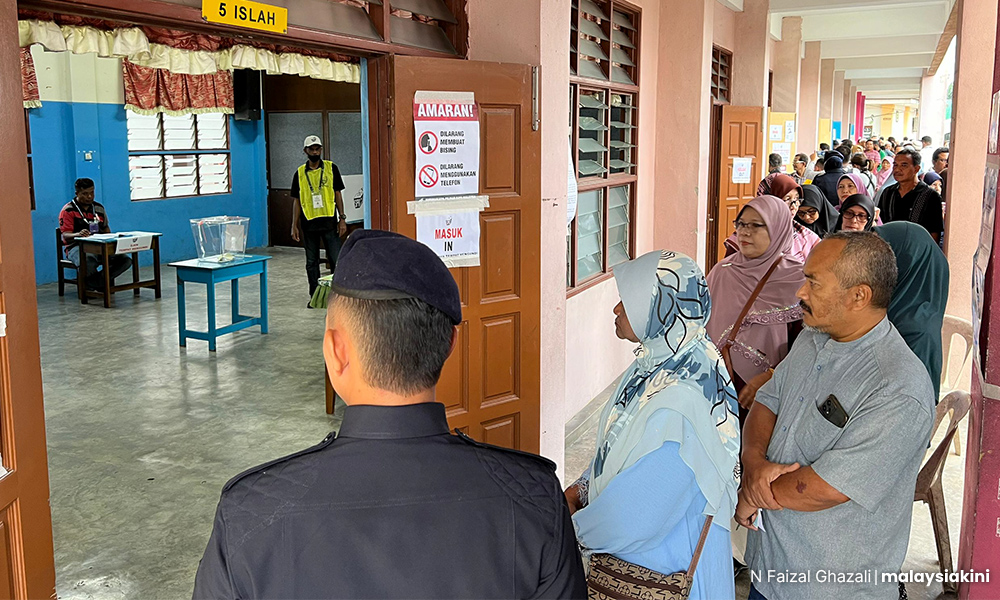
“Yes, I think dissatisfaction with the removal of fuel subsidies and the federal government, and anger with the local government, could be the reasons,” he said.
This dissatisfaction with Harapan’s performance in government was not confined to the youth.
A 50-year-old voter who also declined to be named said there was a feeling that Harapan had over-promised and under-delivered.
“It could be the over-commitment of the Anwar Ibrahim government during the 2022 general election, and people did not see the immediate effect of his work.
“One more thing, DAP has ruled Penang since 2008, but I think there has been bias towards Penang island, taking resources from the mainland without giving back what the mainland people deserve, such as the disruption of the water supply in Sungai Bakap,” he added.
In May, Putrajaya brokered a RM4 billion project for Perak to supply water to Penang, which would cater to areas including Sungai Bakap.
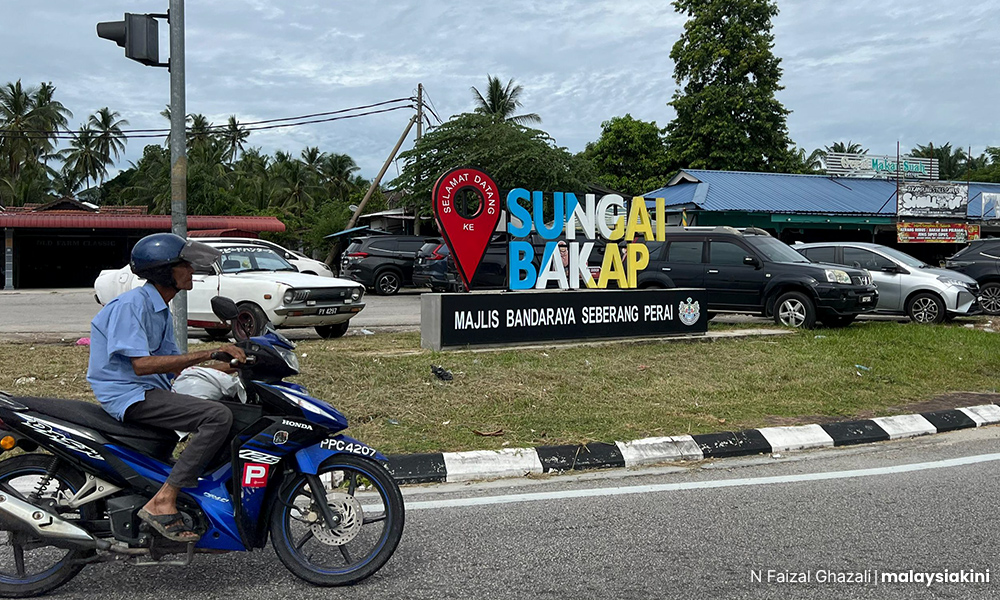
Lower Chinese turnout
Chinese voters make up an estimated 23 percent of Sungai Bakap’s electorate, while another 17 percent are Indian voters and 59 percent are Malay.
Rafizi estimated only 47 percent of Chinese voters cast their ballots during the by-election, while Indian turnout was at 58 percent.
All respondents Malaysiakini spoke to said they voted but that they were the exceptions.
“Yes, the Chinese did not go out to vote, but the defeat was not unexpected. I think it was expected because the area is predominantly Malay,” a 45-year-old sales agent said.
The consensus among pundits and observers was that non-Malay turnout was lower due to unhappiness with the Harapan-led Madani government in Putrajaya.
However, both Liu and the 50-year-old respondent believed that Harapan should still be given a chance.
Liu said the results people expect to be delivered will take time.
“The government is still new and people need time to see the results under the Harapan government. However, the older generation may not think that way,” she said.
The older respondent, meanwhile, said Harapan was still the best choice available.
“I remain optimistic about the new government. I believe Harapan is still the best party to govern the country because they have a longer vision than the opposition party,” he said.
Fear of racial riots
Meanwhile, besides sentiments about the government’s performance and policies, Liu claimed there may have been another factor that deterred Chinese voters - fear.
“Nearer to voting day, there were many army and police officers around, and roadblocks.
“I believe this could be one reason why the Chinese did not go out to vote, due to fear of possible riots,” the 28-year-old claimed.
Previously, in the aftermath of the 15th general election, there was an upsurge in racially charged rhetoric with threats of the May 13 racial riots bandied about.
On the Nov 19, 2022 election day itself, a group believed to be Perikatan Nasional supporters were caught on video riding on horseback in Kubang Semang, Seberang Perai while waving flags with the syahadah (the Islamic proclamation of faith) on it.

This triggered comparisons online with the Taliban.
Kubang Semang is just a 40-minute drive away from Sungai Bakap.
/file/publisher-c1a3f893382d2b2f8a9aa22a654d9c97/2022/11/353584fc39fd4d5e5ee410515e858333.jpg)
/file/publisher-c1a3f893382d2b2f8a9aa22a654d9c97/2024/06/f64e07186d9e8aedd4330ae6ced72a56.jpg)
/file/publisher-c1a3f893382d2b2f8a9aa22a654d9c97/2024/07/0d016785a2e069c432edd7573dfcf0b2.jpg)
/file/publisher-c1a3f893382d2b2f8a9aa22a654d9c97/2024/07/ed6795c79226dbf4ad0e1d0b08a47c86.jpg)
/file/publisher-c1a3f893382d2b2f8a9aa22a654d9c97/2024/06/a15d8374065f6f6d0bafe50b03b11c89.jpg)
/file/publisher-c1a3f893382d2b2f8a9aa22a654d9c97/2024/07/8e650ee5f5018e0d54f7a2060370b358.jpg)
/file/publisher-c1a3f893382d2b2f8a9aa22a654d9c97/2024/07/923c88ff2e7815490f7cd8ea10a60c3d.jpg)


Report this comment
Are you sure you want to delete this comment?
This action cannot be undone.