/file/publisher-c1a3f893382d2b2f8a9aa22a654d9c97/2024/07/52c91290b384edd4258acdc18bcdfc25.jpg)

KINIGUIDE | Hunger strike as a protest tool in Malaysia
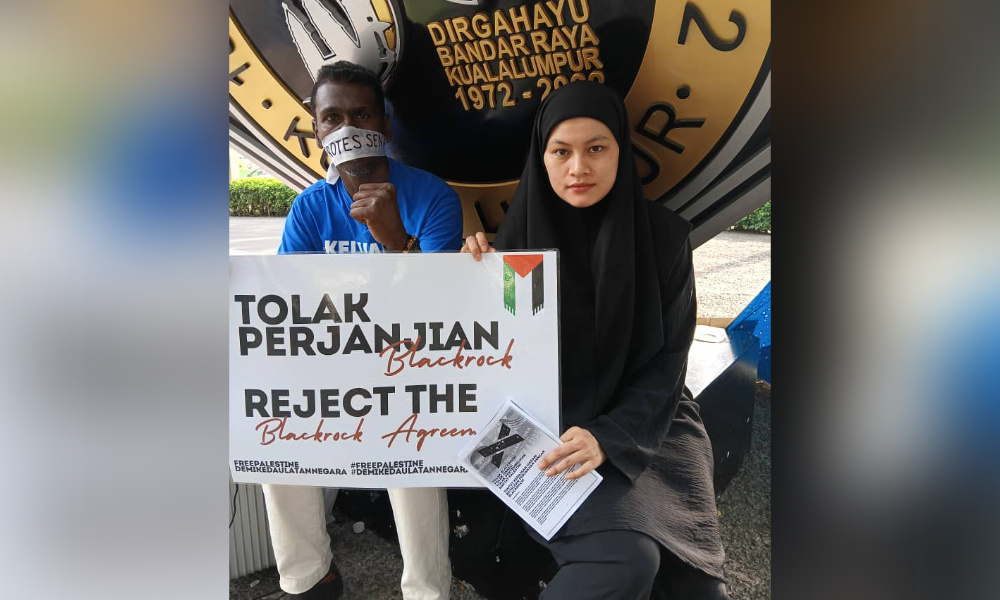
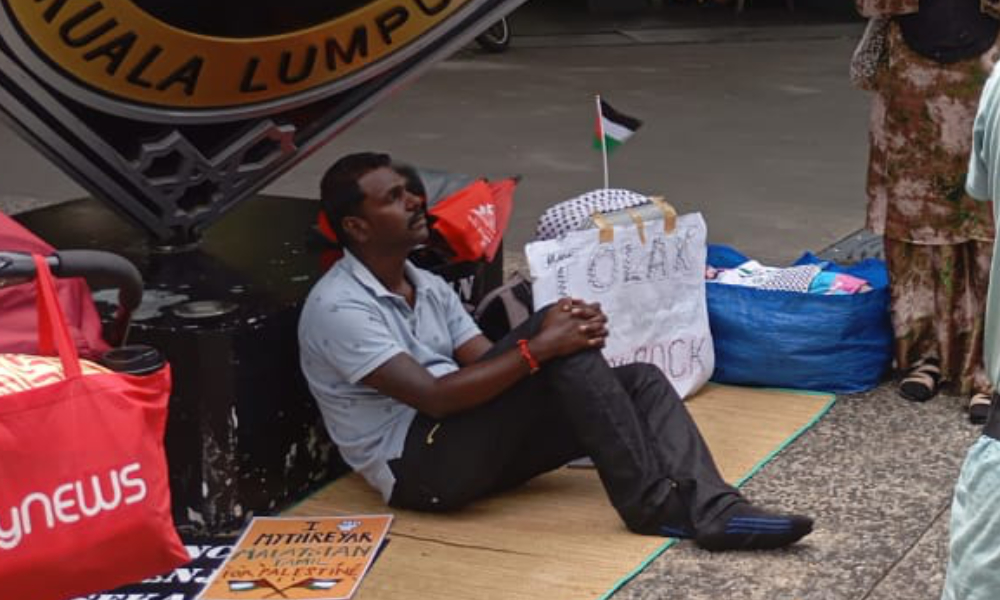
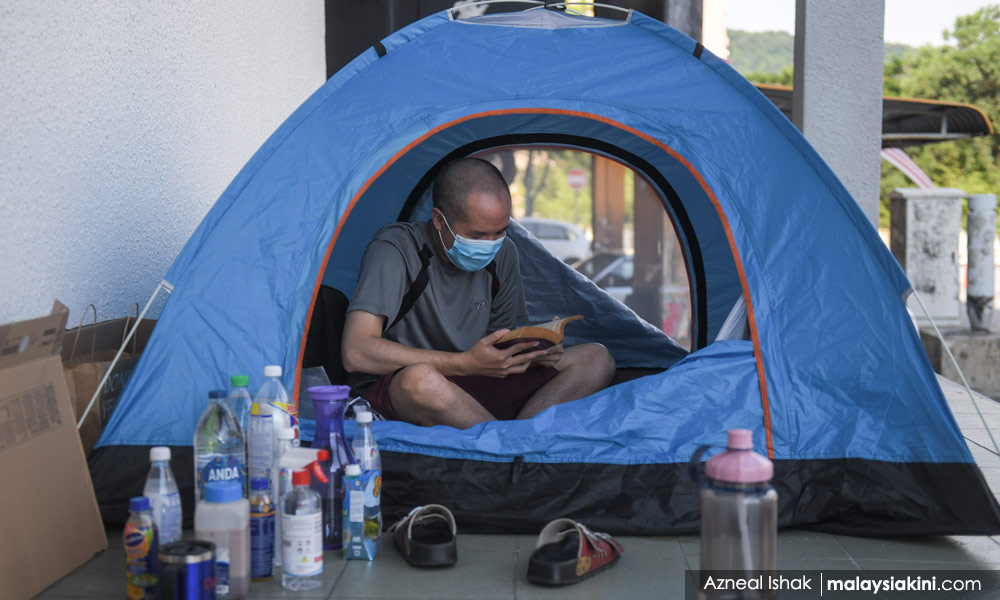
KINIGUIDE | On July 10, 2024, a pro-Palestinian activist began a hunger strike to protest the sale of Malaysia Airports Holdings Bhd (MAHB) shares to a Blackrock-linked company.
M Mythreyar, a 46-year-old who hails from Tanjung Malim, Perak, vowed to continue until the government cancels the deal, which many had protested against for Blackrock’s ties with Israel’s military.
KINIGUIDE | On July 10, 2024, a pro-Palestinian activist began a hunger strike to protest the sale of Malaysia Airports Holdings Bhd (MAHB) shares to a Blackrock-linked company.
M Mythreyar, a 46-year-old who hails from Tanjung Malim, Perak, vowed to continue until the government cancels the deal, which many had protested against for Blackrock’s ties with Israel’s military.
However, a week into the hunger strike, the government showed no sign of backing down while the activist started showing signs of exhaustion and had to be checked by a doctor.
He later ended the strike on July 18 and vowed to continue fighting the issue.
While many had praised Mythreyar’s selfless action, others had ridiculed him and questioned the effectiveness of such self-destruction methods and for taking liquids during his strike.
This KiniGuide looks into a brief history of hunger strikes and their use as a protest tool in Malaysia.
What is a hunger strike?
A hunger strike has been defined as a period when someone refuses to eat to show strong opposition or disapproval against something, such as prisoners protesting against poor treatment or political activists fighting against an unjust government policy.
There are several variances of hunger strikes but all include some form of food refusal. In many cases, hunger strikers would refuse to eat but still take some types of liquid, usually water or juice. There were also strikers who reportedly took water with some salt and sugar.
Those who choose to refuse everything including liquids are referred to as dry hunger strikers.
What happens to the body during a hunger strike?
During a hunger strike, the human body will first use up glycogen stored within the liver. It usually takes about a day for the glucose to be depleted to a certain level and the body will start to burn body fat as an alternative source of energy in a process called ketosis.
When this happens, the human body will enter starvation mode where it starts to break down muscles, according to medical officer Dr Shahrizal Azwan Samsudin, who is also the secretary-general of the Malaysian Relief Agency.
“During starvation, the body will break down body muscles, including on the limbs. This is why you can see that people who endured starvation get skinnier,” he said.
Adding further, Shahrizal said the ketosis process is harmful to the body as it produces acid and over time, the level of acid in the body will become higher.
Rozanna M Rosly, the lead dietitian at Sunway Medical Centre in Selangor, said besides fat and muscle loss, starvation would also cause levels of electrolytes in the human body to drop significantly.
This can lead to impairment of various bodily functions, she added.
According to Rozanna, humans can survive up to several months with only water while it is much less for a dry hunger striker.
“With water only but no food, survival may be between two and three months.
“Survival time is longer with water because the body has more in its reserves to replace food than fluid. Kidney function will be affected without proper hydration.
“In the case of a dry hunger strike, a person may survive around eight to 21 days depending on various other factors,” she said.
While the human body can survive up to several weeks without food, the clinical dietitian said physical and mental impairment can set in within the first two or three days.
A person may start experiencing dizziness, weakness, and low heart rate after two weeks, followed by vision loss or other neurological problems.
After a month of starvation or losing more than 18 percent of body weight, Rozanna said, the human body might suffer permanent damage.

“There is a high risk of death after 45 days, where a person who endured starvation for such a long period can suffer cardiac arrest or die from infection,” she said.
Who started the use of hunger strikes as a protest tool?
Among the earliest hunger strikers recorded in modern history was Marion Wallace Dunlop, who was a women’s suffrage activist in Britain.
She launched a hunger strike in July 1909 while in prison, after being convicted of committing wilful damage to a wall of the House of Commons. Dunlop was released after 91 hours of fasting.
Among other notable figures that had carried out hunger strikes include Indian anti-colonial nationalist Mahatma Gandhi, Irish nationalist Bobby Sands, and former Iraq president Saddam Hussein.
Indian civil rights activist Irom Chanu Sharmila, meanwhile, has been called the world’s longest hunger striker.
Having last voluntarily eaten on Nov 4, 2000, she fasted for 16 years to demand the repeal of the Armed Forces (Special Powers) Act (AFSPA), which is a colonial-era law that grants Indian military stationed in Manipur state virtual immunity from prosecution.
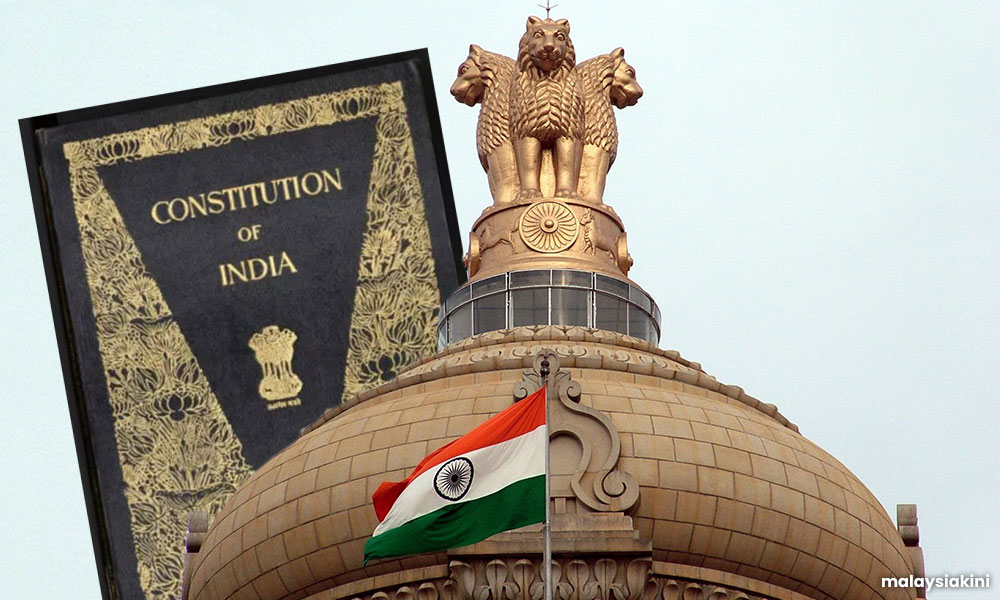
She was kept alive by multiple forced-feeding by authorities through a nasal tube and detention in a government hospital, before ending the strike in August 2016.
Despite the prolonged protest, the Indian government has not abolished AFSPA and still enforces the law in certain “disturbed areas” including in Manipur.
To this day, hunger strikes are still being used as a form of “last resort” protest around the world, especially for those who are in detention, including Palestinian prisoners in Israel, with some ending in the strikers’ deaths.
Has anyone died from hunger strikes?
There were multiple reported cases around the world where hunger strikers carried their protest until their death.
One of them was Bobby Sands, who started a hunger strike to demand the British treat Irish Republican Army members as political prisoners. He died 66 days into the protest.
Cuban student leader Pedro Luis Boitel reportedly died on a hunger strike at the El Príncipe Prison in Havana, Cuba, in 1972. He was a poet and dissident of the Fidel Castro administration.
There were also cases where Palestinians died on hunger strikes in Israeli custody.
One of the latest cases involved Khader Adnan, a spokesperson for the Palestinian Islamic Jihad, who reportedly died in May last year after a nearly three-month-long hunger strike.
Hunger strikes in Malaysia
Hunger strikes in Malaysia had been utilised mainly in protests to demand the release of prisoners detained without trial, usually under the country’s preventive laws.
Among them was the now-defunct Internal Security Act (ISA), a relic of the British colonial era when it was used to fight a communist insurgency. The law allowed for renewable two-year periods of detention without trial.
As detailed in a three-part special feature on ISA published by Malaysiakini in 2001, there were quite a number of hunger strikes against the law which took place in the 1960s, 70s, and 80s at detention camps throughout the country.

Some of the strikes lasted only a few days while others went on for more than 20 and even 40 days.
In 2001, the Campaign Committee of Hunger Strike for Freedom also launched a hunger strike to demand the release of 10 ISA detainees and for the repeal of the law that effectively allows indefinite detention without trial.
In April 2002, six Reformasi activists detained under the ISA at the Kamunting Detention Centre in Taiping, Perak, announced their intention to go on a hunger strike to highlight their demand to either be released or charged in court for their alleged “crimes”.
Anwar Ibrahim, who founded the Reformasi struggle and was also in jail then, joined the protest in solidarity with the six by only taking liquids in a Muslim-style fasting.
The six, along with a group of their supporters outside who joined the protest, ended their hunger strike after 11 days following a plea by Anwar who was concerned about their health.
A similar move was taken by 15 supporters of Hindraf, a movement that fought for Hindu rights, in 2008 to demand the abolition of the ISA and the release of five Hindraf activists.
The law was finally repealed by the government in 2012, albeit not as a direct result of the hunger strikes.
However, in replacement of the ISA, the then Najib Abdul Razak administration introduced the Security Offences (Special Measures) Act 2012 (Sosma), which has been criticised for allowing detention without trial for up to 28 days.
There had been at least two hunger strikes launched in protest of Sosma, in 2018 and 2023.
In 2015, five individuals from Sarawak Prihatin reportedly launched a hunger strike to protest the government’s plan to amend the Sedition Act, which would criminalise speech on the secession of Sabah and Sarawak from Malaysia.
In the same year, an MIC leader launched a hunger strike to protest a Registrar of Societies (ROS) decision that affected the party.
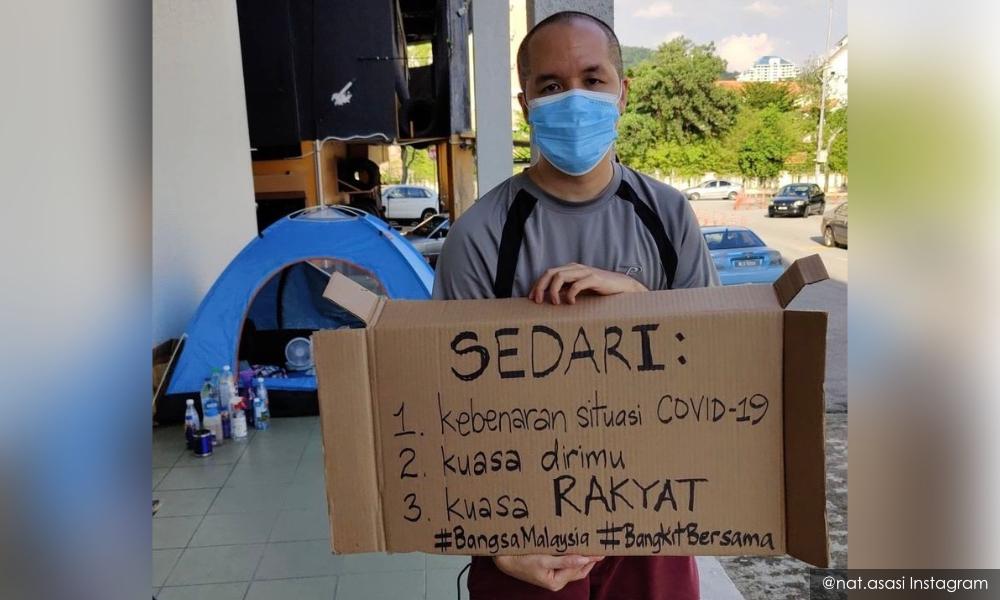
In 2021, social activist Nathaniel Tan launched a personal hunger strike to protest the government’s handling of the Covid-19 pandemic.
How have authorities reacted to hunger strikes?
Based on media reports, in many hunger strike cases, the authorities would either ignore and monitor the protesters or facilitate by checking on their health status and providing medical assistance.
However, there were also cases where ISA detainees undergoing hunger strikes were allegedly beaten up.
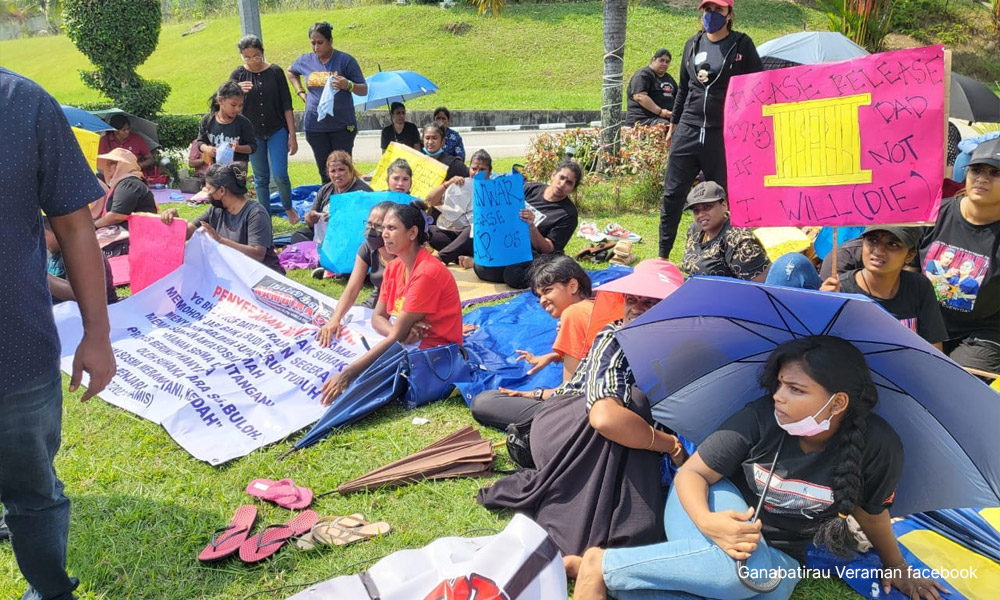
Police also reportedly opened an investigation against family members of Sosma detainees who launched a hunger strike outside the Sungai Buloh Prison Complex last year, including under Section 31 of the Child Act.
So far, there have been no reported cases of a hunger strike in Malaysia that resulted in death.
However, there have not been any reported instances where the government backed down and made immediate policy changes due to hunger strikes.
According to political analyst Oh Ei Sun, he could not recall any successful hunger strikes in Malaysia.
/file/publisher-c1a3f893382d2b2f8a9aa22a654d9c97/2024/07/49d3945a703b58e5dff505da614c179d.jpg)
/file/publisher-c1a3f893382d2b2f8a9aa22a654d9c97/2024/07/fa27533822b7e8a33c220f3b5d80b304.jpg)
/file/publisher-c1a3f893382d2b2f8a9aa22a654d9c97/2024/07/97febd30543620a1561030f6a96750bd.jpg)
/file/publisher-c1a3f893382d2b2f8a9aa22a654d9c97/2023/02/0ac8eef10712ce382c67464c2786a7ab.jpg)
/file/publisher-c1a3f893382d2b2f8a9aa22a654d9c97/2023/08/243be28473d85dbd95882bd4484a7a0f.jpg)