


/file/publisher-c1a3f893382d2b2f8a9aa22a654d9c97/2024/07/1b18d3748d0d0a903f1b32ab52288e44.jpg)

KINIGUIDE | How concerts help Chinese schools raise money
The Education Ministry has said schools should not accept donations from the proceeds of certain activities deemed to be a negative influence on student development.
Many other political parties, NGOs, and individuals have also chimed in on the issue, either arguing in support of the ministry’s prohibition or some form of leeway for vernacular schools to raise money.
The issue has culminated in a cabinet discussion, with the Education Ministry expected to issue a statement soon on the outcome of that discussion.
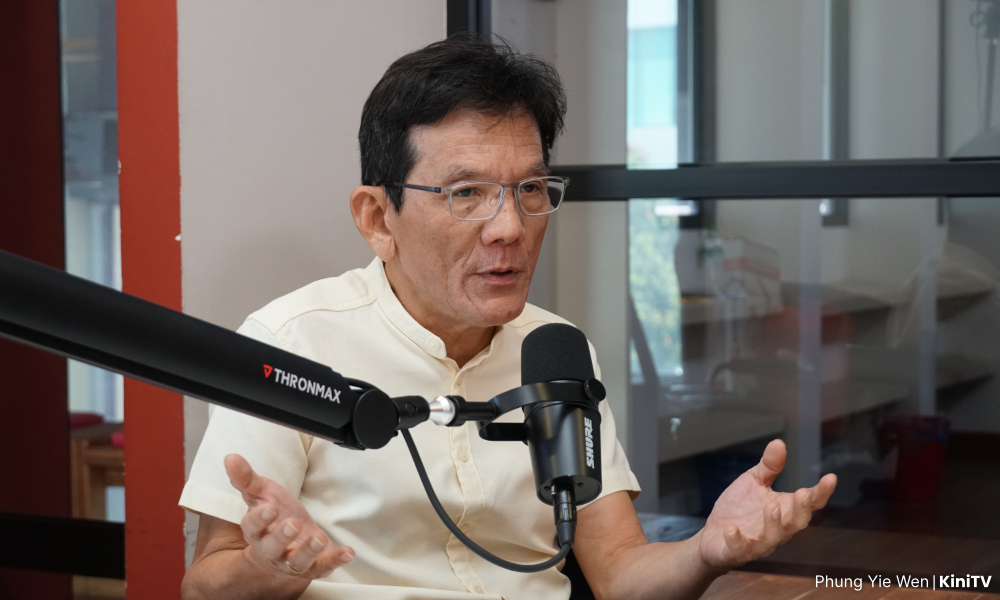
To help understand what’s at stake, Selangor and Kuala Lumpur United Chinese School Committees’ Association secretary-general Low Chee Chong joined a Malaysiakini Chinese-language podcast to discuss how Chinese vernacular schools raise money.
How are Chinese schools funded?
There are two types of Chinese primary schools in Malaysia...
The recent controversy over a brewery’s involvement in a school’s fundraising event has drawn attention to how schools, particularly vernacular schools, are funded.
The Education Ministry has said schools should not accept donations from the proceeds of certain activities deemed to be a negative influence on student development.
Many other political parties, NGOs, and individuals have also chimed in on the issue, either arguing in support of the ministry’s prohibition or some form of leeway for vernacular schools to raise money.
The issue has culminated in a cabinet discussion, with the Education Ministry expected to issue a statement soon on the outcome of that discussion.
To help understand what’s at stake, Selangor and Kuala Lumpur United Chinese School Committees’ Association secretary-general Low Chee Chong joined a Malaysiakini Chinese-language podcast to discuss how Chinese vernacular schools raise money.
How are Chinese schools funded?
There are two types of Chinese primary schools in Malaysia: Fully funded schools (sekolah bantuan penuh) and partly funded schools (sekolah bantuan modal).
Fully funded schools are government-owned; while partially funded schools receive only partial government funding, with the land owned by the school board or trustees.
Only partially funded schools need to apply for government grants for upgrades and maintenance.
READ MORE: A guide to the Chinese schools education system in Malaysia
Regardless of whether the school is fully or partly government-funded, Low said government funding is only enough to cover daily operational expenses.
How do charity events fit in?
For large infrastructure projects such as the construction of a new building or hall, or upgrading existing facilities, Low said schools rely on charity concerts and other fundraising efforts to raise money.
Money raised through such methods will not be spent on the school’s operational expenses.
“Usually, these fundraising events are for significant construction projects (…) We all know the government pays for teachers’ salaries and some basic maintenance at government schools (…) but these are only sufficient for day-to-day operations.
“If you need to build facilities, it requires substantial funds to build, for example, activity centres, halls, or upgrading school equipment.”
Low revealed that schools will typically contact the media to present their fundraising needs.
For the Tiger-Sinchew Chinese Education Charity Concert hosted on July 14 by SJK (C) Tche Min in Sungai Pelek, Selangor, the goal was to raise RM3 million for the construction of a new hall.
The fundraising event ultimately exceeded its goal and raised RM3,175,034.88.
The charity concert is a recurring event and was first launched in 1994.
Deputy Education Minister Wong Kah Woh revealed in May this year that the event series has raised RM407 million, benefiting 540 schools in the last 30 years.
Did Tiger Beer donate to the school?
No, not directly.
Low explained that the beer company acts as a sponsor to cover the costs of the performers, lighting, stage, and other expenses.
He noted that once the brewery or other businesses sponsor the event, they would manage the event arrangements, which allows to school to better focus on the fundraising.
“Companies sponsoring Chinese education fundraising events primarily cover the costs of the performers, lighting, sound, and promotional materials.
“What they are actually paying for are the costs, not giving donations directly.”
Similarly, Tiger Beer issued a statement last night clarifying that its role in the event was solely to present local performing artists.
“Our communications and engagements are kept at the level of the school’s Parent-Teacher Association and the board members who run the schools,” it added.

How did the charity concert help raise money?
Tickets were sold to those attending the event, and attendees could also donate additional amounts during the event.
However, Low said on-site donations for such events usually amount to tens of thousands of ringgit, and ticket sales alone cannot meet the fundraising goal.
Instead, he revealed most donations are made before the event through alumni or businesses solicited by the school.
“In the months leading up to the event, the school seeks donations from alumni and through connections with businesses and businesspersons to raise substantial amounts.”
In the case of Tche Min’s recent concert, however, Deputy Housing and Local Government Minister and Sepang MP Aiman Athirah Sabu announced a RM100,000 donation during the event, while Sungai Pelek assemblyperson Lwi Kian Keong pledged RM10,000.
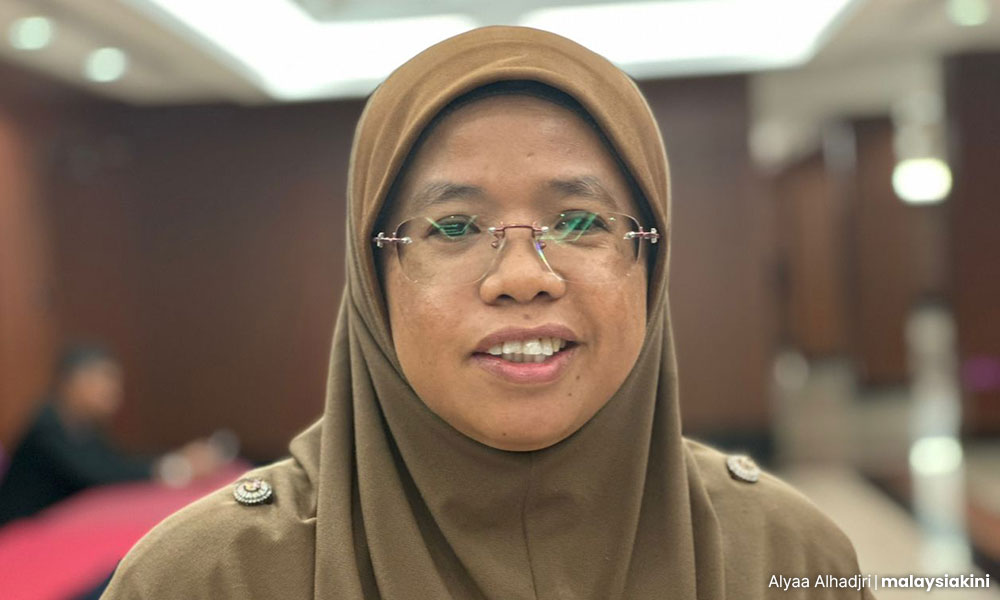
Low explained that schools often invite local elected representatives, ministers, or deputy ministers to their fundraising events, as such personalities often come bearing good news.
“At fundraising events, more money is always better [...] These MPs, assemblypersons, ministers, and deputy ministers usually bring gifts, including announcing donations.”
Additionally, beer was sold at the performance for guests to purchase on-site, with the school receiving the profits from the sales.
Low told Malaysiakini that different organisers have their profit-sharing rules. For example, the school may receive a percentage of the sales or the school is allowed to keep any excess once the cost of the beer is recouped.
As for on-site donations, he said guests could donate between RM10 and RM100 at the event.
What does the Education Ministry have to say?
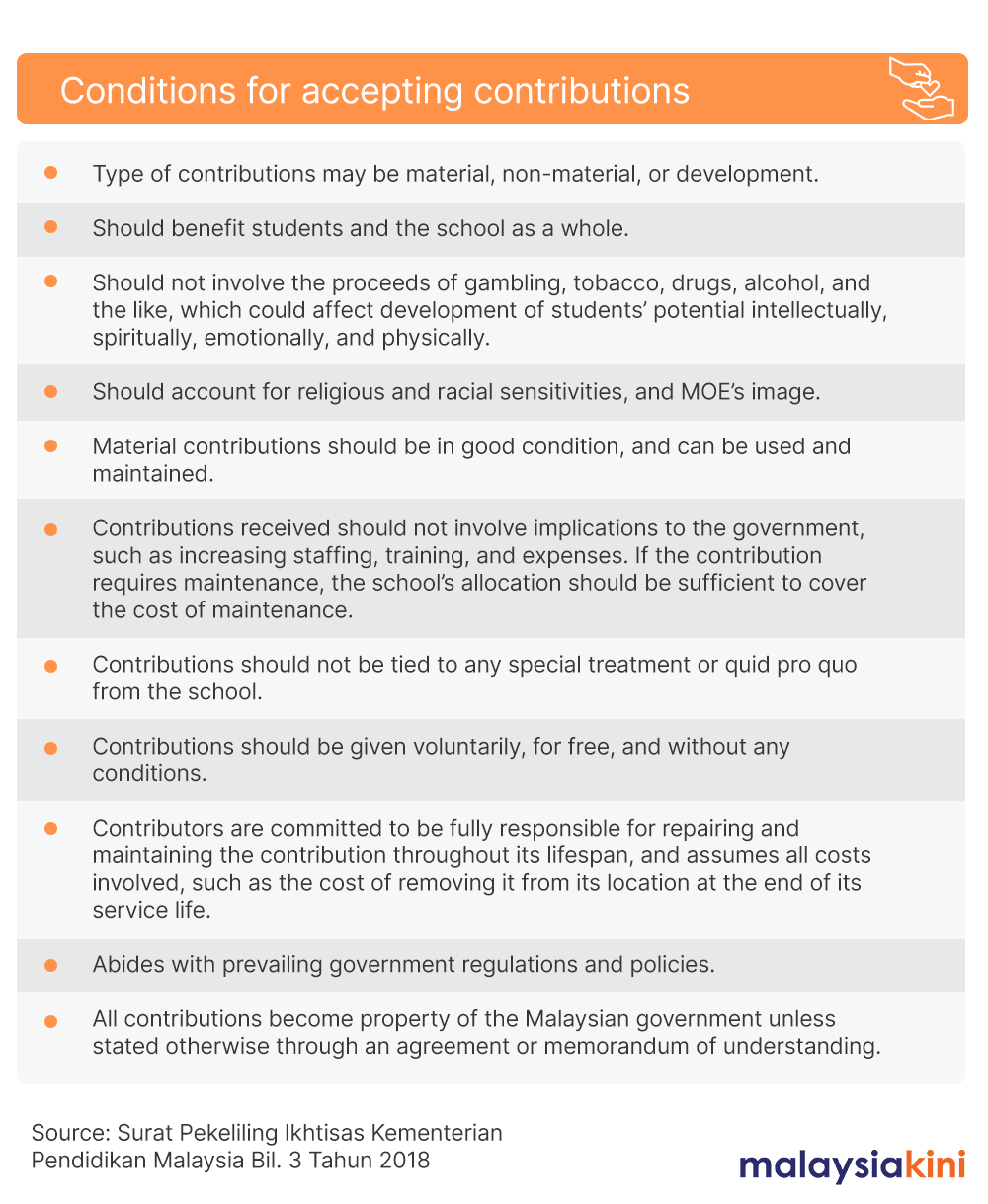
After the controversy erupted, the Education Ministry announced an investigation and reminded all school administrators to comply with the ministry’s Circular No 3 of 2018.
Clause 7.3 of the circular stipulates that schools are prohibited from receiving contributions originating from the proceeds of gambling, tobacco, drugs, alcoholic beverages, and similar activities, as it may affect students’ development.
Following the ministry’s reminder, DAP secretary-general and Transport Minister Anthony Loke said he would propose amending the Education Ministry’s donation guidelines to exempt Chinese schools from sponsorship restrictions.
However, MIC and Umno Youth strongly opposed Loke’s proposal, urging the government to maintain the donation guidelines.
After the cabinet discussion on Wednesday, government spokesperson Fahmi Fadzil said Education Minister Fadhlina Sidek would issue a response.
As of the writing of this article, Fadhlina has yet to issue the response.
/file/publisher-c1a3f893382d2b2f8a9aa22a654d9c97/2024/07/6688d96fb21fbcc192af99dd03dff7bf.jpg)
/file/publisher-c1a3f893382d2b2f8a9aa22a654d9c97/2023/12/b66478361aa7d4ab23ccd80f2e9a7eee.jpg)
/file/publisher-c1a3f893382d2b2f8a9aa22a654d9c97/2024/05/37b78509622222fd4edcb1f267c52f13.jpg)
/file/publisher-c1a3f893382d2b2f8a9aa22a654d9c97/2024/07/1b18d3748d0d0a903f1b32ab52288e44.jpg)


Report this comment
Are you sure you want to delete this comment?
This action cannot be undone.