


/file/publisher-c1a3f893382d2b2f8a9aa22a654d9c97/2024/03/5ba6c4be2e3e1adbcaef0190d3188e58.jpg)

Prolonged heatwave causing disruptions throughout M'sia
The prolonged heatwave in parts of Malaysia has been affecting lives and livelihoods, including increased incidents of drowning and fires.
The Star quoted Fire and Rescue Department director-general Nor Hisham Mohammad as saying that aside from bushfires, 162 people have drowned, including 19 women, as many flock to rivers and other water bodies to cool off.
The prolonged heatwave in parts of Malaysia has been affecting lives and livelihoods, including increased incidents of drowning and fires.
The Star quoted Fire and Rescue Department director-general Nor Hisham Mohammad as saying that aside from bushfires, 162 people have drowned, including 19 women, as many flock to rivers and other water bodies to cool off.
“Most of the victims are below 40 years old. It is sad that so many young people have drowned this year,” he said, adding that most cases occurred in rivers, tributaries, beaches, and mining areas.
As such, Hisham urged parents to monitor the whereabouts of their children closely, especially when they go on outings with friends.
10k calls a month
In general, Hisham said his department has been receiving an average of 10,000 incident calls including bushfires, drownings, and other rescue operations each month this year.
In July alone, there were 2,000 bush and forest fires while the average number of drowning cases each month is about 20.
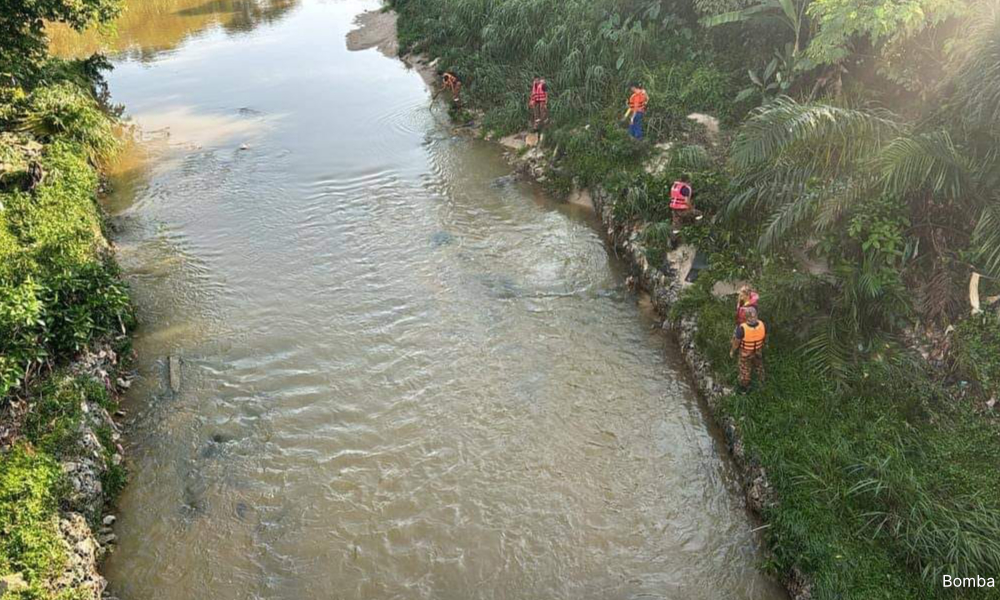
“Between January and Aug 7, the department received 73,604 incident calls nationwide.
“On July 27, we handled 403 incidents, with the majority being bush and forest fires,” he said, adding that most of the cases this year happened in Selangor, Johor, Perak, and Sabah.
“So far, there are no active forest fires nationwide but to date, my men have put out fires amounting to about 11,501 hectares of forests and bushes nationwide,” he said.
The most, Hisham said, are in Sabah, comprising forests of 6,895ha followed by Pahang (3,107ha), Kelantan (452ha), Johor (336ha), and Terengganu (335ha).
“The biggest challenge faced by my men during a prolonged dry season is fires located deep in the forest with inadequate water sources to extinguish them,” he added.
Hisham said department helicopters were monitoring hotspots and carrying out water bombing to douse fires.
He also reminded smokers not to throw cigarette butts indiscriminately and warned others against open burning.
Limit outdoor activities, stay hydrated
Due to the heatwave, experts have urged the public to limit outdoor activities and drink a lot of water during the current southwest monsoon phase, which began on May 17.
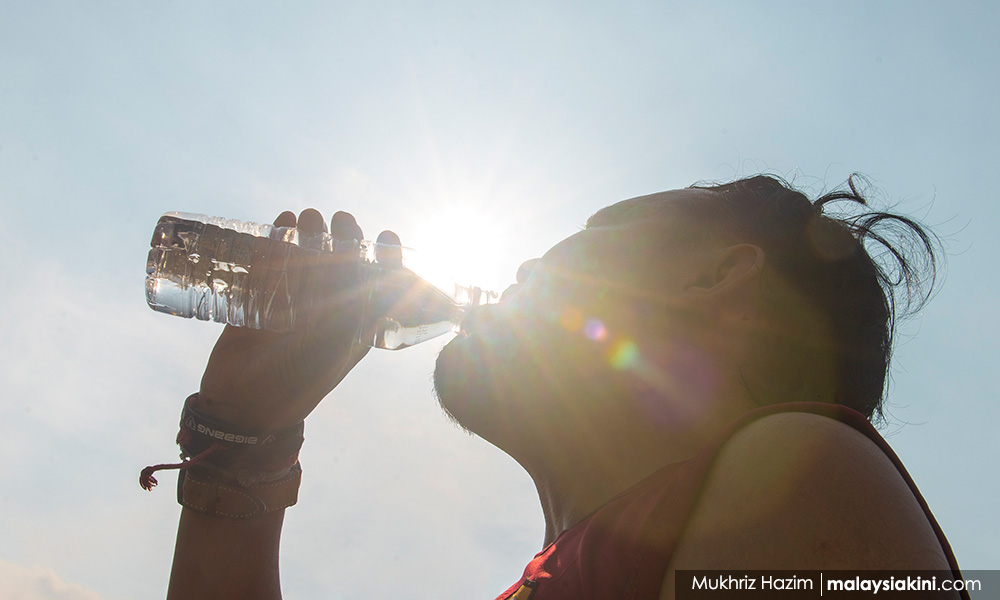
On July 30, Bernama reported Universiti Putra Malaysia's Faculty of Forestry and Environment senior lecturer Zulfa Hanan Ash’aari as saying that residents must be prepared to endure this weather until mid-September.
“Plus, they should avoid open burning or throwing cigarette butts (carelessly) to avoid widespread burning that can cause haze,” she said.
Zulfa also said the southwest monsoon phenomenon usually occurs from May to September.
She said, during this period, the winds blow from the southwest, which is colder and less humid compared to the humid northeast monsoon winds that come from the Pacific Ocean and South China Sea.
Risking coral reefs, livelihoods
Apart from putting lives in danger, the heatwave is also causing distress to other life forms such as coral reefs.
On June 23, Bernama reported the Department of Fisheries Malaysia as saying that coral reefs in the country are experiencing significant mass coral bleaching.
The problem is attributed to rising sea surface temperatures, potentially having serious implications for marine biodiversity, coral reef fisheries, and tourism in Malaysia.
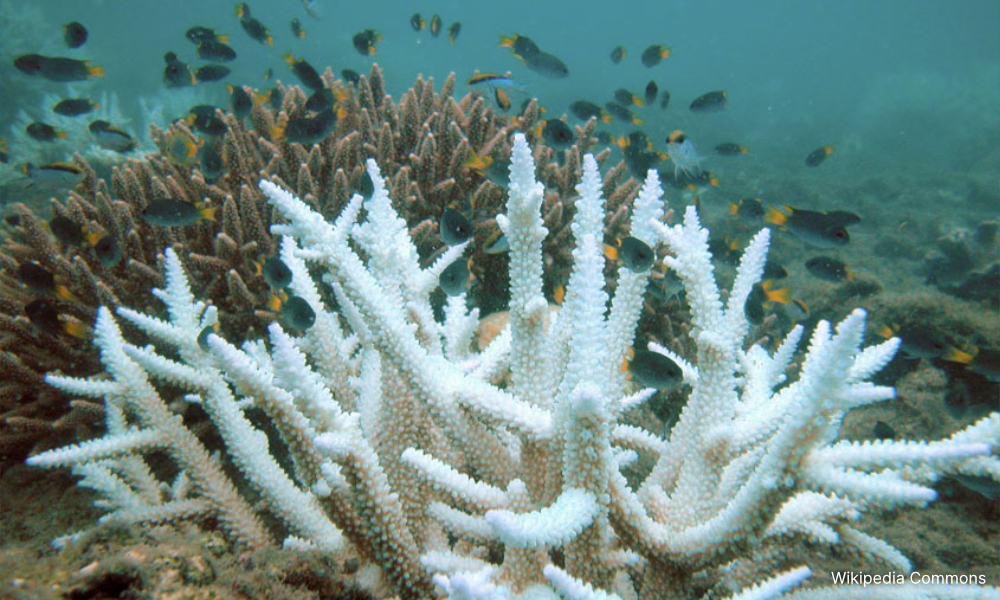
The department also said it is closely monitoring several Marine Park Islands, following more than 50 percent of coral reefs being affected.
Coral bleaching is the natural response of corals to environmental stress, causing the corals to turn white and appear “bleached”.
Mass bleaching refers to large-scale bleaching of various coral species over extensive areas, due to seawater temperatures exceeding the average normal annual temperature for prolonged periods.
Based on surveys conducted from April to June by the Department of Fisheries Malaysia, some of the affected areas were found to be Pulau Payar in Kedah; Pulau Perhentian, Pulau Redang and Pulau Tenggol in Terengganu; Pulau Tioman in Pahang; and Pulau Pemanggil in Johor.
“Most of the affected reefs are in shallow waters less than 10 metres deep.
“These sites are being closely monitored by the department and various parties to detect changes in the bleaching situation,” it added.
‘River becoming desert’
On March 21, Malaysiakini reported that the shift in the northeast monsoon was causing a heatwave, resulting in parts of Sungai Pahang near Kampung Pesagi, Maran becoming a “desert”.
Residents who are mostly fisherfolk and fish breeders lamented that it was affecting their incomes.
According to Mohd Yusof Maat Amin, 63, the extreme weather conditions had forced him to go downstream to catch fish.
“While dry season is common, it’s getting worse year by year.
“This time, it (heatwave) happened earlier, affecting our livelihood,” he said.
Paddy farmers are also bearing the brunt of the extreme weather, with Pertubuhan Persaudaraan Pesawah Malaysia saying its members are mulling forgoing planting paddy, especially in Kedah, until there is a solution.
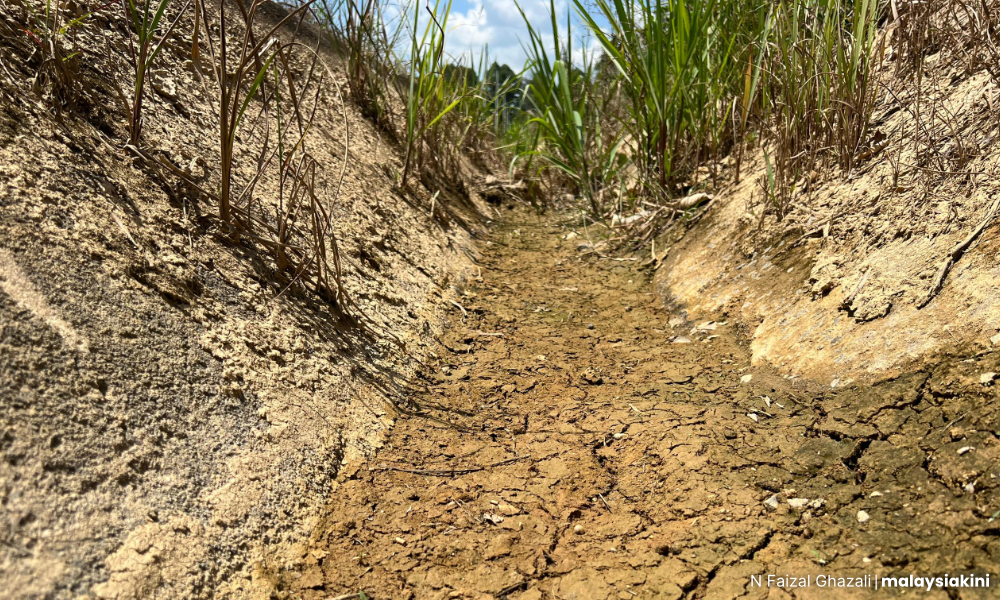
The organisation’s secretary Muhamad Rafirdaus Abu Bakar, on July 29, also mentioned the worrying low water level in the Muda Dam, which resulted in his members in mulling drastic action.
“What is more disturbing is whether there will be sufficient water supply in the coming seasons for paddy planting in October,” he was quoted as saying by Harian Metro.
“This is because, in Perak for example, farmers are burdened because there is no water supply despite their crop being 50 days old,” Rafirdaus said, adding that farmers in Kelantan are also in a conundrum.
Rafirdaus also claimed that until now, no related department or ministries have taken action or issued any circulars regarding the issue.
“So, to avoid wastage, don’t plant paddy (for now),” he added.
Pray for divine intervention
On Aug 4, Kedah Menteri Besar Muhammad Sanusi Md Nor dismissed allegations that logging activities caused low water levels at Kedah dams.
Instead, he urged the people to pray to God for rain and claimed rivers in the state are still flowing.

“The low water levels are only at the dams, while rivers are still flowing. We wait for Allah to bring down the rain, we pray to Allah for this.
“When it rains, insya-Allah our dams will be filled again. If you are asking about solutions, there are things that only Allah can do and not humans.
“For paddy planting activities, water has been released to paddy fields so this (dry spell) would not affect the crops,” he was reported as saying.
/file/publisher-c1a3f893382d2b2f8a9aa22a654d9c97/2019/11/727f79aad74a8ff3b3d85b3176fcc8e5.jpg)
/file/publisher-c1a3f893382d2b2f8a9aa22a654d9c97/2024/08/65be0402effa7183fd43dc48a0c7b16e.jpg)
/file/publisher-c1a3f893382d2b2f8a9aa22a654d9c97/2022/12/add8a9f829dec06bf411022b5cdaaaa3.jpg)
/file/publisher-c1a3f893382d2b2f8a9aa22a654d9c97/2023/11/a69154fc9d126f0d389b4f9d3be61b98.jpg)
/file/publisher-c1a3f893382d2b2f8a9aa22a654d9c97/2023/10/817e44e48fe957913615ae0ccc11c94e.jpg)
/file/1223/9560d8f0fc12152c13ef54e8be03871f.jpeg)


Report this comment
Are you sure you want to delete this comment?
This action cannot be undone.