


Concerns rise over data centre boom straining water supply
As the data centre industry booms in the country, environmental organisations are raising concerns that data centres, known as “big water guzzlers”, could worsen the peninsula’s water shortage problem.
However, Deputy Investment, Trade, and Industry Minister Liew Chin Tong has assured that the situation will be closely monitored.
He emphasised that the government would enhance its supervision and consider allowing data centres to use river water to avoid competing with domestic potable water supplies.
Speaking on Malaysiakini’s Chinese-language podcast, the Iskandar Puteri MP from DAP explained that only potable water is allowed to be sourced and used.
“We are considering requiring data centres to invest in sourcing water from rivers. For instance, if they invest in cleaning up the river, they would be allowed to use the water from it,” said Liew.
“Previously, Malaysia didn’t have such an arrangement. All water being used is potable water, which has been processed. However, data centres only need reclaimed water, not potable water,” he continued.
“The possibility of using reclaimed water includes cleaning up polluted rivers, which constitutes an investment. These are the directions we are exploring,” Liew said when asked whether data centres will aggravate water shortage.
Potable water refers to running water that has been processed, purified and made drinkable according to the Water Quality Act. Reclaimed water, also known as recycled water, refers to treated wastewater being reused.
Faith in more advanced tech
When questioned on the impact of climate change on rainfall patterns and the resulting droughts that have caused many rivers in the country to become shallow, Liew did not provide a direct answer.
Instead, he highlighted the rapid development of the industry and its technology.

“The technology in this industry is advancing very quickly, and it will eventually become more and more water-efficient. I believe we need to strike a balance. We don’t want just anyone to enter the market, we will regulate the industry.”
On July 31, while officiating AirTrunk’s JHB1 hyper-scale data centre in Johor Bahru, Liew suggested that AirTrunk consider adopting a river by cleaning it up and utilising its water, which would help reduce dependence on treated water for cooling.
Enhance effectiveness
In addition to adopting and using river water, Liew stated that the government would improve the monitoring of data centres, including establishing standards for power and water usage effectiveness, increasing the supply of renewable energy, and localising the data centre supply chain.
“In June, when Prime Minister Anwar Ibrahim chaired the National Investment Council, he directed the relevant departments of the ministry to draft standards.
“The prime minister’s directives are very clear: we want data centres to invest in the highest level of technology.
“Data centres themselves are not the issue; the issue is how you monitor and push them to invest in cutting-edge technology.”
Droughts, water shortages persist
Climate change is causing more frequent droughts and water shortages in the country. In March, China Press reported that Johor experienced extended droughts, impacting the water usage of vegetable, fruit, and flower farmers, some of whom resorted to using mineral water for watering the plants.
In addition to agriculture, business owners in Kluang were affected by the water shortage and had to suspend their operations, Sin Chew Daily reported.
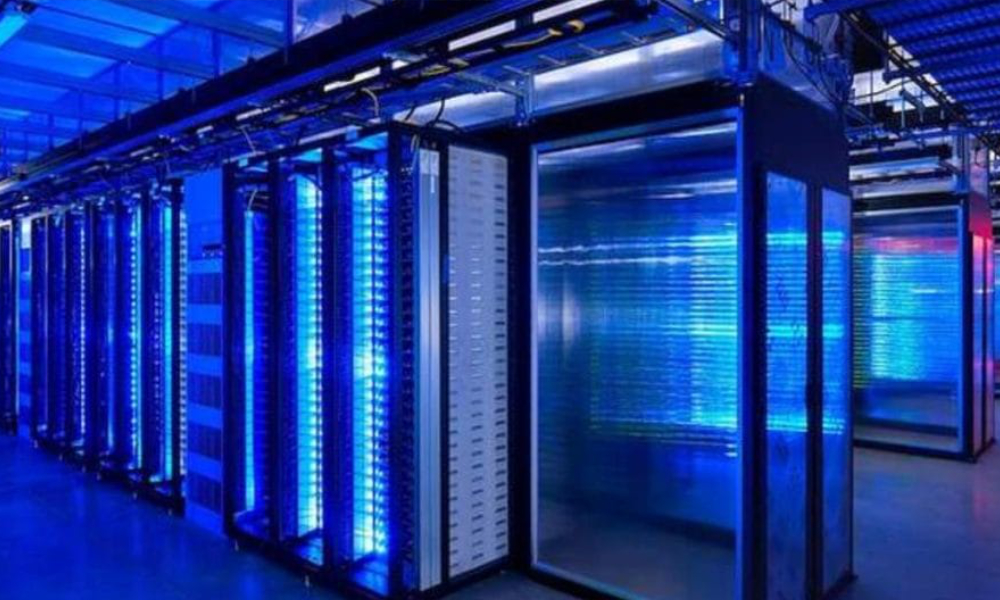
It is estimated that a 100 MW data centre will consume 4.16 million litres of water daily, equivalent to the daily usage of 10,000 people.
Sahabat Alam Malaysia has, according to the New Straits Times, warned that while water shortages are a concern due to climate change, wastage, and ageing infrastructure, the water demands of tech companies for cooling data centres could become a point of conflict in the coming years.
The Edge reported that Johor Bahru City Council mayor Mohd Noorazam Osman acknowledged that the supply of water and power remains a major challenge in Johor, despite the boom in data centre investments.
“As a local authority, I believe that while promoting investments is important, it should not come at the expense of the local and domestic needs of the people,” he said.
Johor’s Investment, Trade, Consumer Affairs, and Human Resources Committee chairperson Lee Ting Han noted that although the water supply in the state is sufficient, early preparations should be made for the long term.
This includes establishing new water treatment plants, installing new piping to connect water sources to new areas, and exploring new water sources.


Report this comment
Are you sure you want to delete this comment?
This action cannot be undone.