


/file/publisher-c1a3f893382d2b2f8a9aa22a654d9c97/2024/09/7669f3ccc0c0cc3bf925e449cff1fdf2.jpg)

PM's visit to Russia shows 'we're friends with everyone' - envoy
Quoting Anwar’s remarks earlier, Cheong said the visit demonstrates Malaysia’s stance as an independent nation, and “we are friends with everyone”, despite pressure from certain quarters due to the ongoing geopolitical issues.
"Malaysia's participation (in the 9th Eastern Economic Forum) will reflect Malaysia's position as a country that is free to be friends with any country and has no feeling of hostility...
Prime Minister Anwar Ibrahim’s two-day working visit to Russia beginning today shows that Malaysia wants to continue engaging with Russia, said Malaysia’s ambassador to Russia Cheong Loon Lai.
Quoting Anwar’s remarks earlier, Cheong said the visit demonstrates Malaysia’s stance as an independent nation, and “we are friends with everyone”, despite pressure from certain quarters due to the ongoing geopolitical issues.
“Malaysia’s participation (in the 9th Eastern Economic Forum) will reflect Malaysia’s position as a country that is free to be friends with any country and has no feeling of hostility.
“We are not hostile to anyone in terms of Malaysia’s external relations, although now there is pressure from certain parties who often make sure that either you are (taking sides) with (certain) members,” he told Malaysian reporters yesterday ahead of Anwar’s arrival on Wednesday morning.
Anwar, who is also the finance minister, will undertake a two-day working visit to Russia from Sept 4 to 5 to attend the 9th Eastern Economic Forum (9th EEF) in Vladivostok, the largest seaport city in Russia’s far east region.
He is scheduled to meet Russian President Vladimir Putin during the visit.
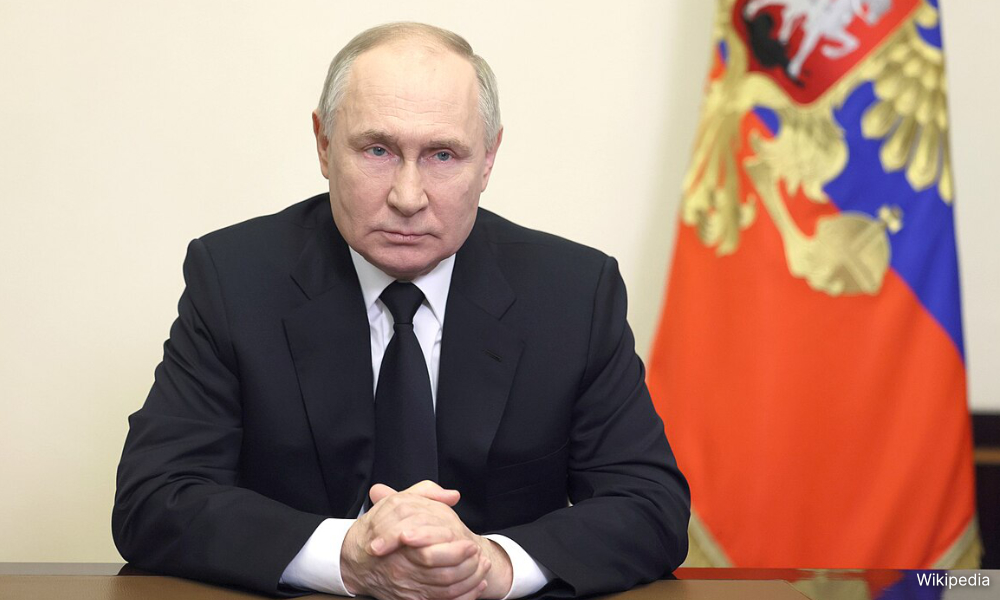
Among the highlights of the visit include a bilateral meeting with Putin, in which Anwar is expected to reiterate Malaysia’s interest in joining Brics to the Russian president as Russia is the bloc’s chair this year.
This visit will be Anwar’s first trip to Russia since assuming office in November 2022.
Bid to join Brics
On Malaysia’s application to be a new member of Brics, Cheong said it is understood that the issue would be discussed during the Brics Summit 2024, which will be held Oct 22-24 in Kazan, Russia.
He said Malaysia can contribute towards Brics based on the country’s experiences in certain development issues, especially in the Islamic finance industry.
“For instance, in Russia, they have been coming to us, wanting to learn from us about Islamic finance because Russia has a large Muslim population,” he said.
Cheong said as Brics is focusing more on the interest of the Global South, being part of the intergovernmental organisation will help diversify Malaysia’s strategic relations and economic links.
“There is this misperception that… when we talk about Brics, it is about (a country) trying to go against, or moving away or shifting their alliance with trade partners.
“It is not that. I think it should be seen in the context of (us) trying to diversify or create other options of engagement,” he said.
Cheong emphasised that Malaysia subscribes to the principle of Brics, which is inclusivity and equitable in terms of cooperation.
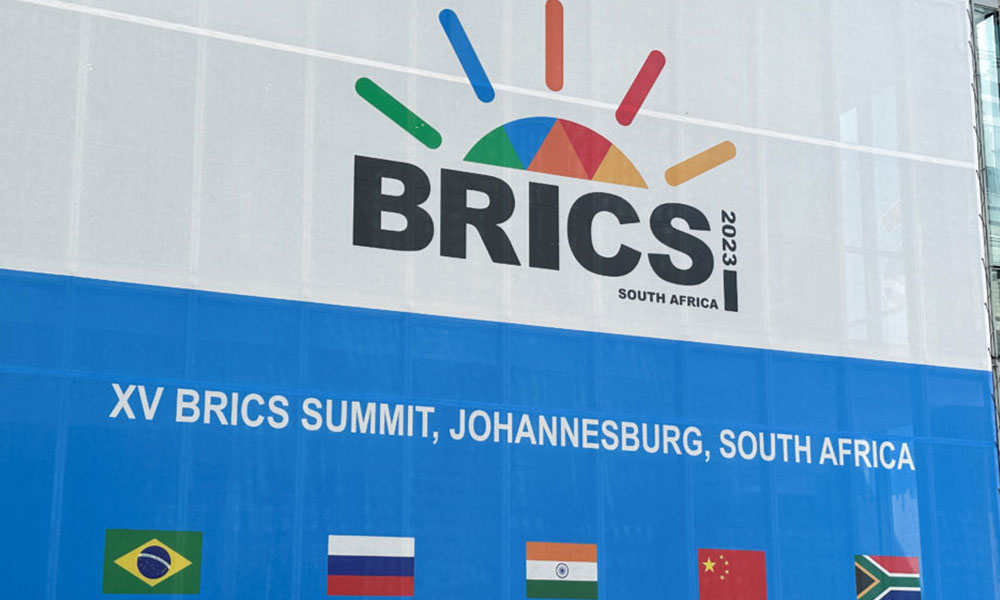
On July 28, Anwar said that Malaysia had sent an application to Russia to join the Brics intergovernmental organisation following the courtesy call made to him by Russian Foreign Minister Sergey Lavrov on that day.
“Malaysia has sent a letter of application to join the organisation to Russia as the Brics chair, besides expressing openness to participate as a member country or strategic partner,” he said.
Earlier on June 18, Anwar confirmed Malaysia's intention to join Brics to Brazilian President, Luiz Inacio Lula da Silva.
Brics was established in 2009 as a cooperation platform for the largest developing economies - uniting Brazil, Russia, India and China. South Africa joined the group in 2010.
On Jan 1, 2024, Brics expanded its membership to include Egypt, Ethiopia, Iran and the United Arab Emirates.
- Bernama
/file/publisher-c1a3f893382d2b2f8a9aa22a654d9c97/2024/08/a4747f19db9bdd2ecc5591c855cf62c2.jpg)
/file/publisher-c1a3f893382d2b2f8a9aa22a654d9c97/2023/06/87df836c0dd3959ea98d6aacb4872d67.jpg)
/file/publisher-c1a3f893382d2b2f8a9aa22a654d9c97/2024/08/1e762e9cd2de19cbd163243ea57b8187.jpg)
/file/1154/372e9669518718492e25112aef97caa2.jpeg)


