


/file/publisher-c1a3f893382d2b2f8a9aa22a654d9c97/2024/09/83d7ce01987bbbc504ccd31e5c41b599.jpg)

Indigenous practices revive Sabah's rivers one at a time
Sungai Mansahaban - the river that passes through Marakau village in Ranau, Sabah - is translucent and always flowing, uninterrupted.
If you descend into the river with a fistful of fish food, a swarm of carp (koi) and some ikan pelian - the native Malaysian Mahseer fish, also known as ikan kelah - rushes like a magnet towards you.
The river was not always this clean and bountiful.
Resident Hamdan Jaini said it used to be dark, murky, and choked with trash. As for the fishes? There were none.
With Tagal, “we returned the river to what it was,” an emotional Hamdan said, holding back tears as the river gushed into a...
Sungai Mansahaban - the river that passes through Marakau village in Ranau, Sabah - is translucent and always flowing, uninterrupted.
If you descend into the river with a fistful of fish food, a swarm of carp (koi) and some ikan pelian - the native Malaysian Mahseer fish, also known as ikan kelah - rushes like a magnet towards you.
The river was not always this clean and bountiful.
Resident Hamdan Jaini said it used to be dark, murky, and choked with trash. As for the fishes? There were none.
With Tagal, “we returned the river to what it was,” an emotional Hamdan said, holding back tears as the river gushed into a milky tea colour while the rain poured.
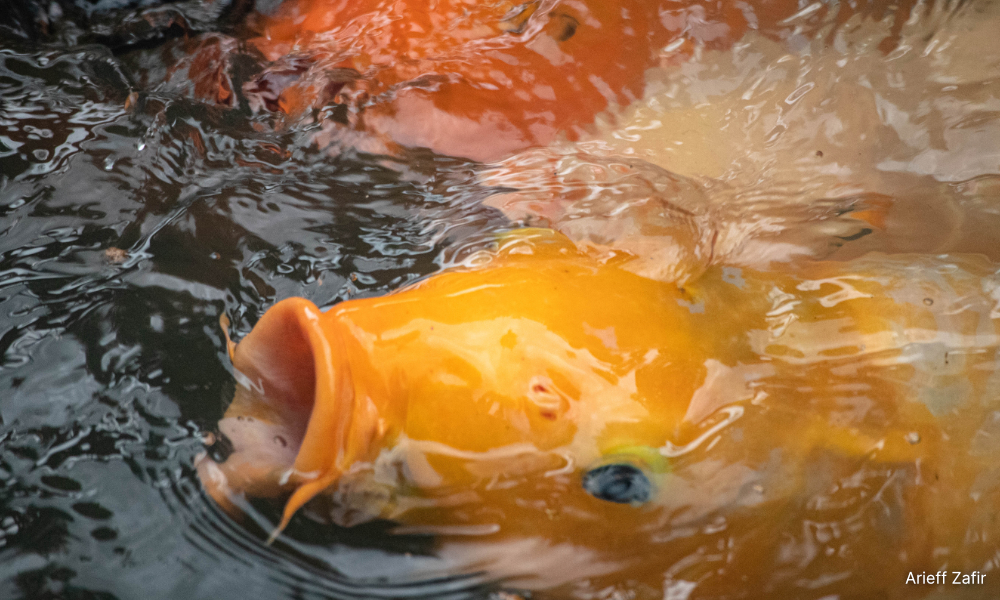
Tagal, sometimes known as bombon, is an indigenous Kadazandusun community-based approach to collaboratively manage fisheries resources - a practice that communities are reviving today with the support of the Sabah Fisheries Department (DOFS).
In Kadazandusun, the word, “tagal” or “bombon” literally translates to “don’t”, or prohibited. When a river is marked for Tagal, unauthorised fishing is forbidden, and violators can be fined for breaking this community rule.
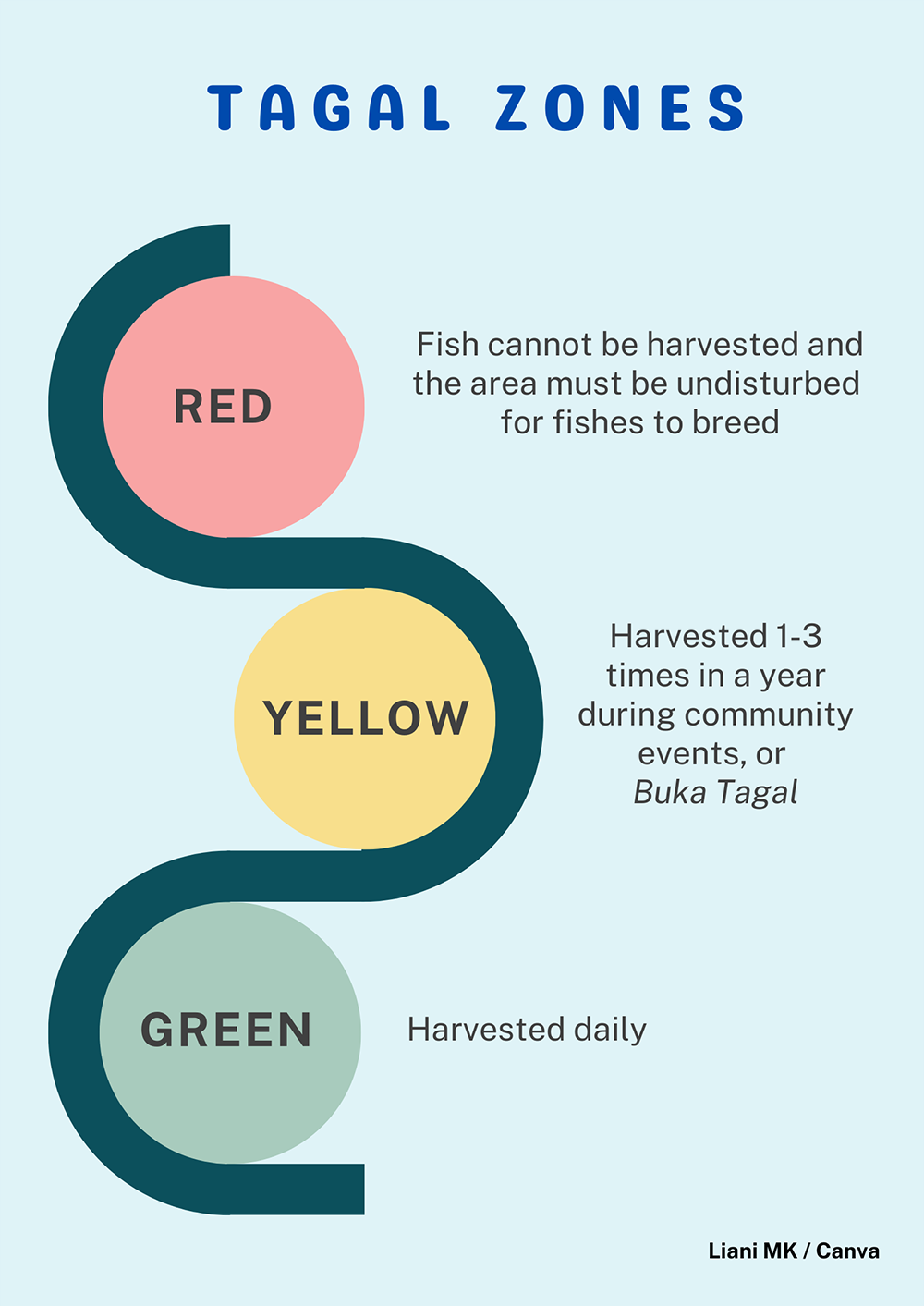
The Tagal system divides a river into three zones - red, yellow, and green - where fishing activities are regulated.
Red zones prohibit fishing, yellow zones allow limited fishing activities during specific community celebrations, and green zones are open for fishing.
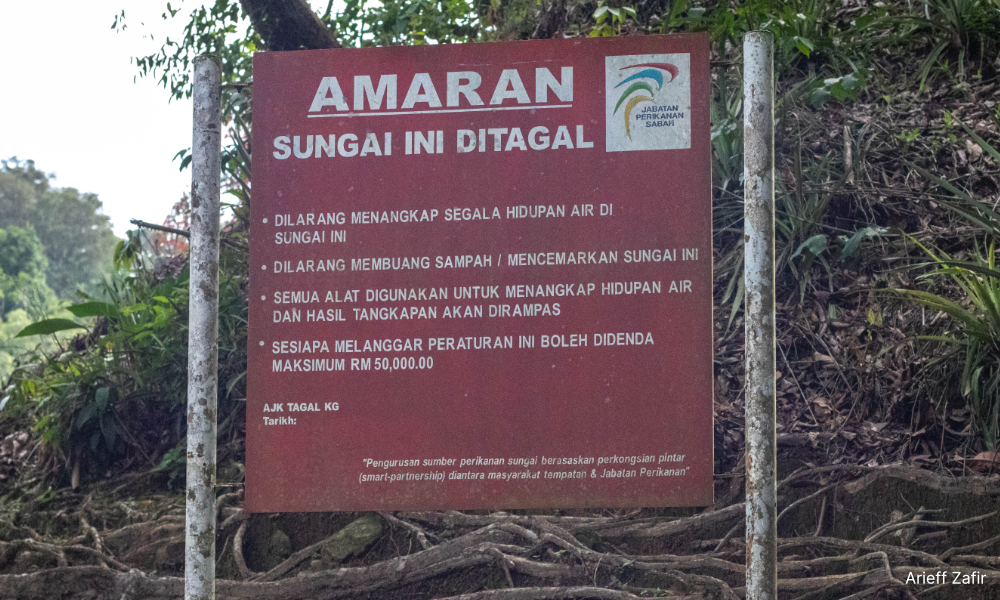
Villagers mark these spaces by placing poles or signboards around a deep pool area known locally as lubok. The zones can change and can mean slightly different things depending on each village.
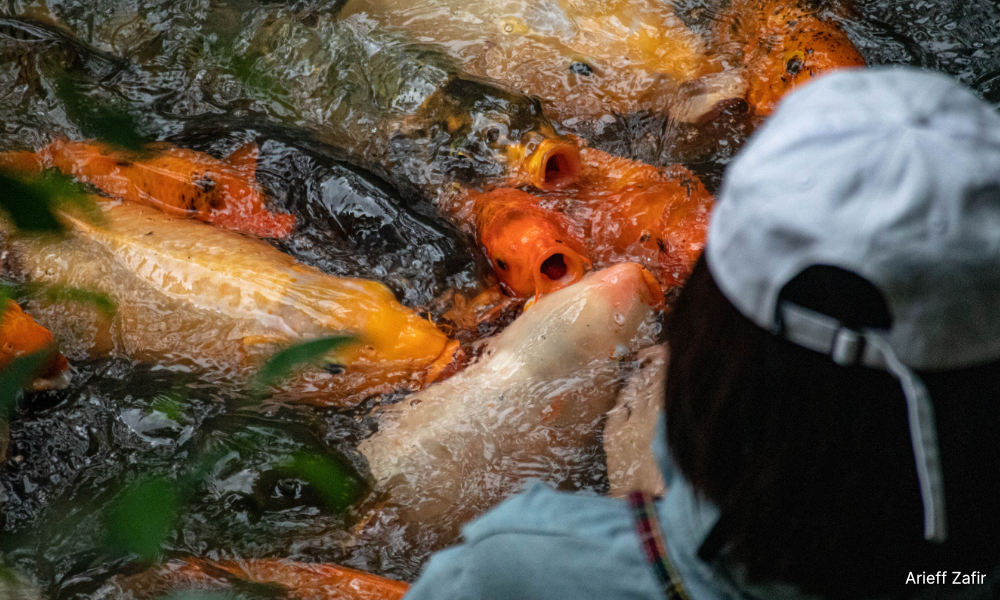
Hamdan has been the chairperson of the Tagal committee in his village for 13 years. He is also known as a fish whisperer among Tagal circles for his ability to easily tame fish.
But there was a point when his community viewed him as an “orang tidak siuman” (insane).
During Tagal’s early years in his village, he toiled away at the river, often single-handedly excavating to ensure that the Tagal river was maintained.
For many years, he refused to take a salary for his work. With a flute in hand and a calm demeanour, there was something spiritual about his simple statement - “It’s about what we leave behind.”

Today, Hamdan is not alone. The Tagal system is based on the collaboration between village-run committees and local state governments to improve fisheries and river management for livelihood and the environment.
The Tagal system also plays a crucial role in Sabah’s fisheries industry, which is the largest contributor to the state’s total fisheries production.
In 2004, capture fisheries - harvesting fish from natural water bodies like rivers - alone accounted for approximately 84 percent of the total production. This amounts to 180,000 tonnes and is valued at over half a billion ringgit.
Adat Tagal
Supported by adat, or customary law, the system has been used for generations to ensure the sustainability of river ecosystems and the fish populations that thrive within them.
Traditionally, a Tagal is established with the involvement of a bebelian or bobolian (high priestess) and the village chairperson (ketua kampung).
“It started as a kind of sumpah, or oath,” said Kampung Tambatuon Tagal committee chairperson Jahim Singkui.
The 58-year-old described a tradition in the past for his village’s river, marked by a symbolic stone known as batu sumpah.
“In the past, we dug a hole, poured the blood of a sacrificed cow or pig into it, followed by planting a stone in the spot,” he said, adding that there would be a feast thereafter.
“The blood symbolises the oath. If you break this oath by entering the river when it’s forbidden, you risk being swept away.”
The area would then be marked through a ritual called menandok, which means to put a sharpened bamboo stick in the area to mark that it is now a Tagal area.
Co-managing rivers
Many villages no longer practise these traditions as they follow non-indigenous religions or sects like Catholicism, Islam, or the Borneo Evangelical Church, but this does not stop them from reviving the non-spiritual aspects of the Tagal system.
Presently, the Tagal system operates on a co-management basis with the DOFS, which officials describe as a “smart partnership”.
Mohd Yusoff Abdullah of DOFS’s Conservation and Resource Management explained that since 2000, the department has supported the Tagal system to “restore the freshwater fish population in Sabah, which has decreased significantly”.
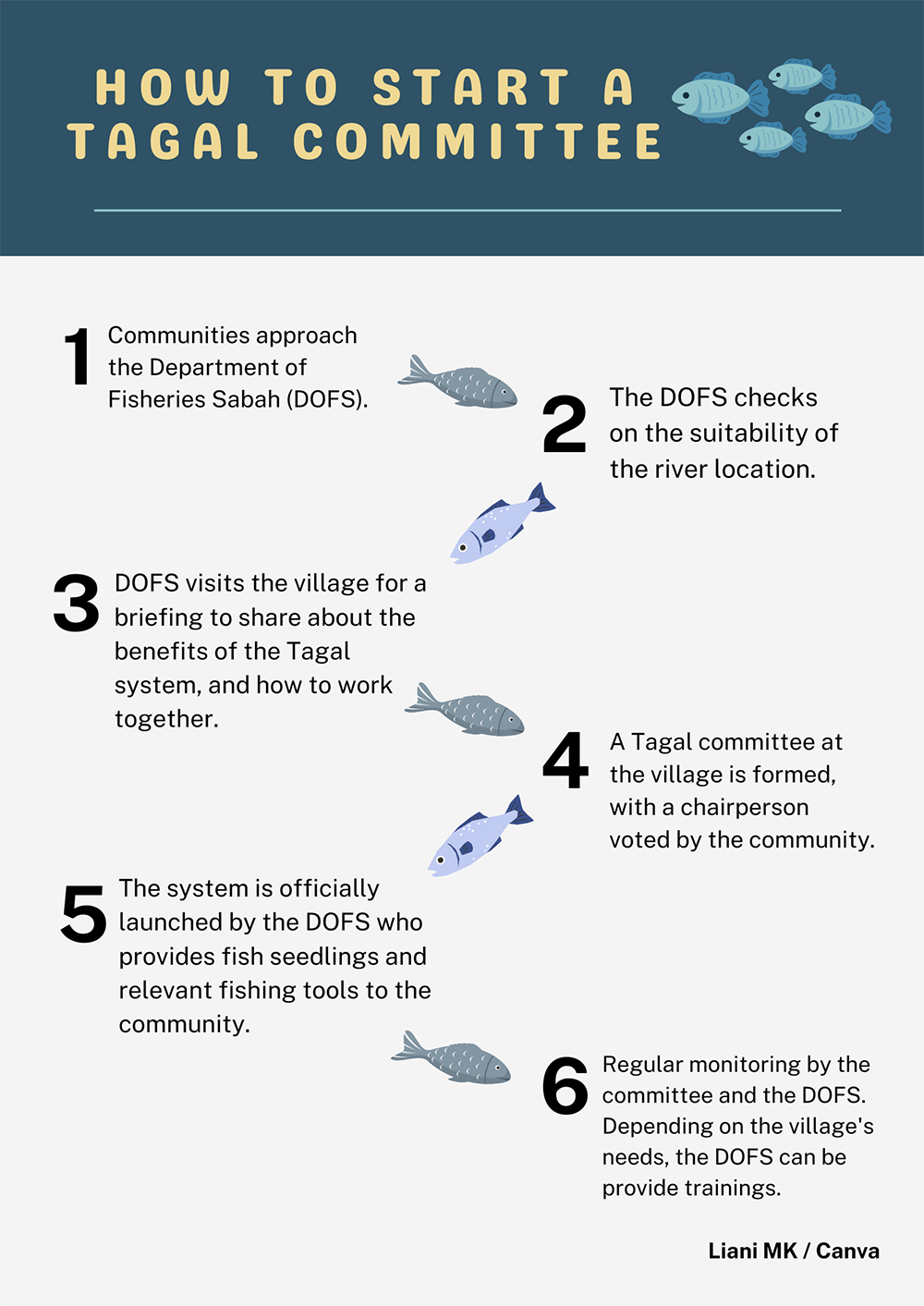
Testament to the department’s keen support of the Tagal system, it has created a special Tagal unit to manage community partnerships across Sabah.
The unit receives RM1 million a year from the federal government and RM200,000 from the state government to fund, manage, and provide support for infrastructures and officiating rivers, the unit’s head, Bernedeth Joseph, said.
“The department saw that Tagal is a good system that can take care of the river.
“So we adopted and empowered this practice and introduced zoning systems - green, yellow, and red,” she added.

These zones were introduced for the community members but not everyone is on board, she said.
“Not every community wants a completely Tagal river.
“They want to go to the river, catch fish every day. So these zones are for them so that everyone is happy in the community.”
There are 632 Tagal committees in Sabah across 21 districts as of July 1 and the number is increasing. Most of these are located on the state’s west coast, particularly in the Ranau district.
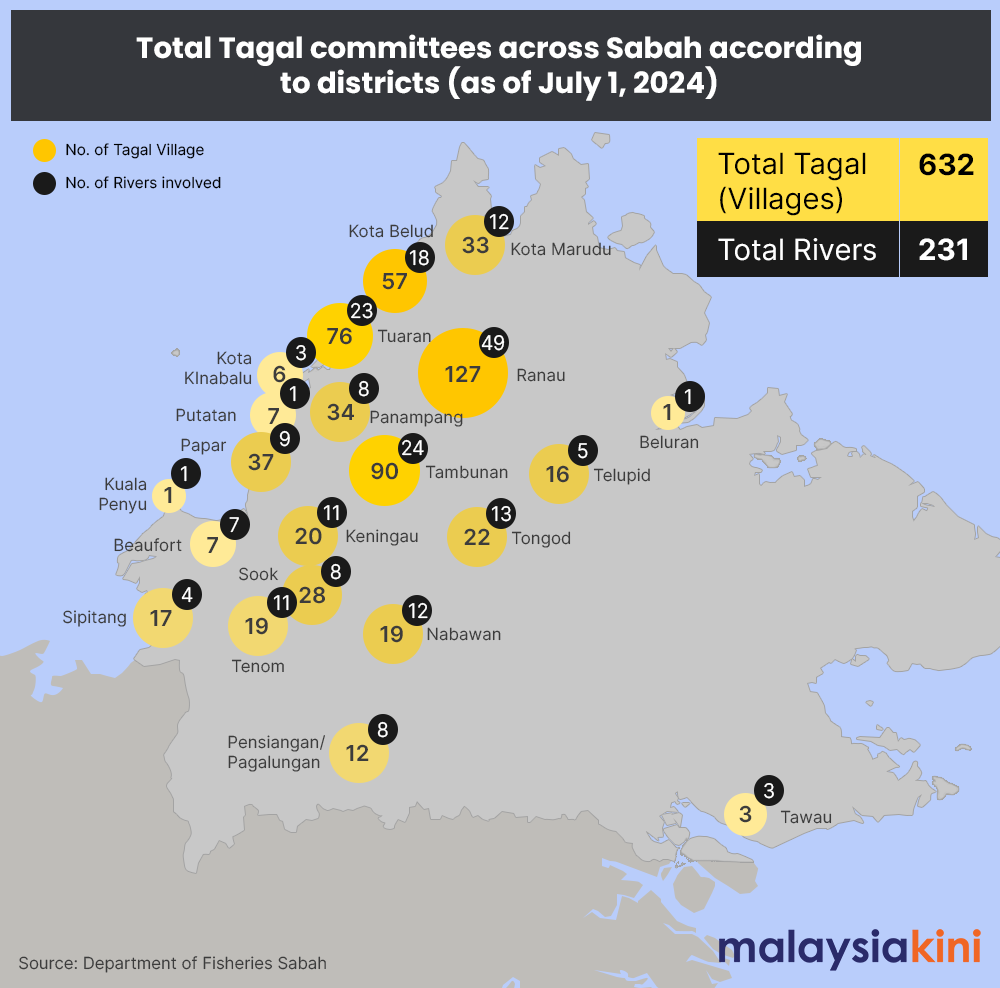
Yusoff said the rules to keep up the Tagal are determined by the committee itself in consultation with the DOFS, and they may differ from one community to the other.
Fines paid to the Tagal committee can range from monetary compounds such as RM100-RM800, and/or a pig or a cow.
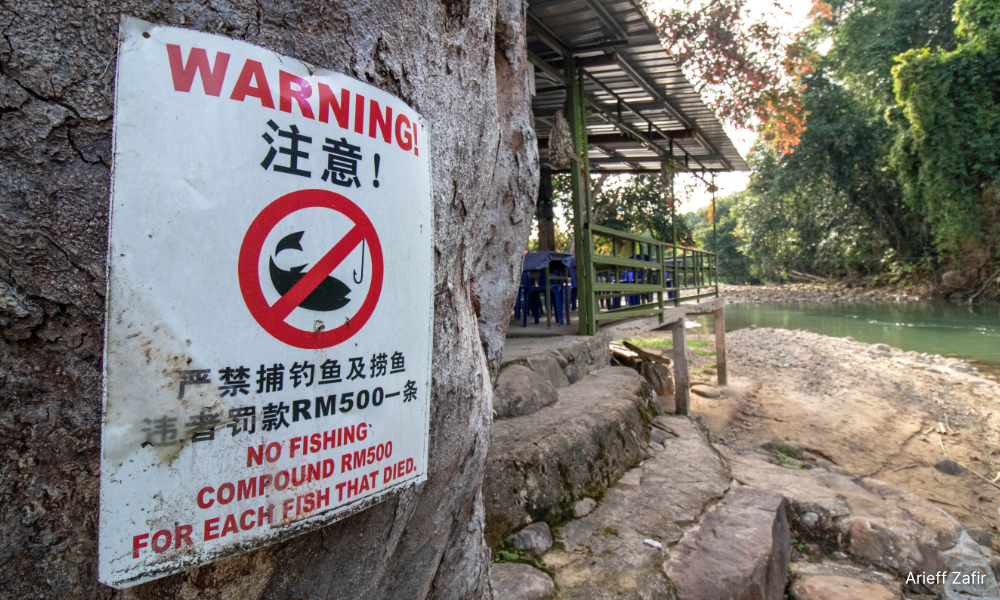
Fines are not just imposed at the village level. They are enforced by the native court system (mahkamah anak negeri) in Sabah’s legal system, which applies the customary law whenever there is a breach.
For instance, the practice of sogit - a kind of fine or compensation - is supported by the Native Court of Sabah according to customary beliefs to prevent breach of any customs made by its peoples.
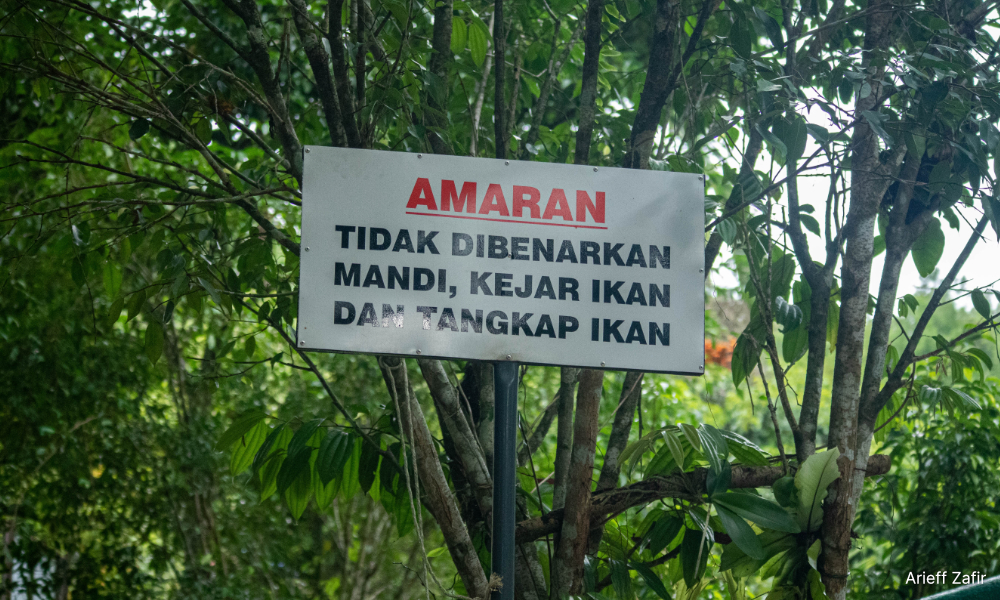
The Sabah Inland Fisheries and Aquaculture Enactment 2003 underpins this collaboration and empowers the fisheries department and Tagal committee to enforce its adat laws through the native court.
It provides legal frameworks for the Tagal system to ensure sustainable practices. Sections 36 and 37, for example, allow villagers and community-run committees to manage the fisheries resources, and those who do not follow the regulations can be fined up to RM50,000.
“During our ancestors’ time, the offender would be fined a pig. Today, it’s either a cow or cash. Usually, the first offence is a smaller fee as a warning from the ketua kampung.
“But for repeat offenders, they can even be brought to the native court,” Hamdan said.
He reflected on how their traditional laws have evolved but still remain effective.
“Memang cantiklah undang-undang adat (native law is perfect this way),” Hamdan said, referring to how their traditions prioritise environmental preservation.
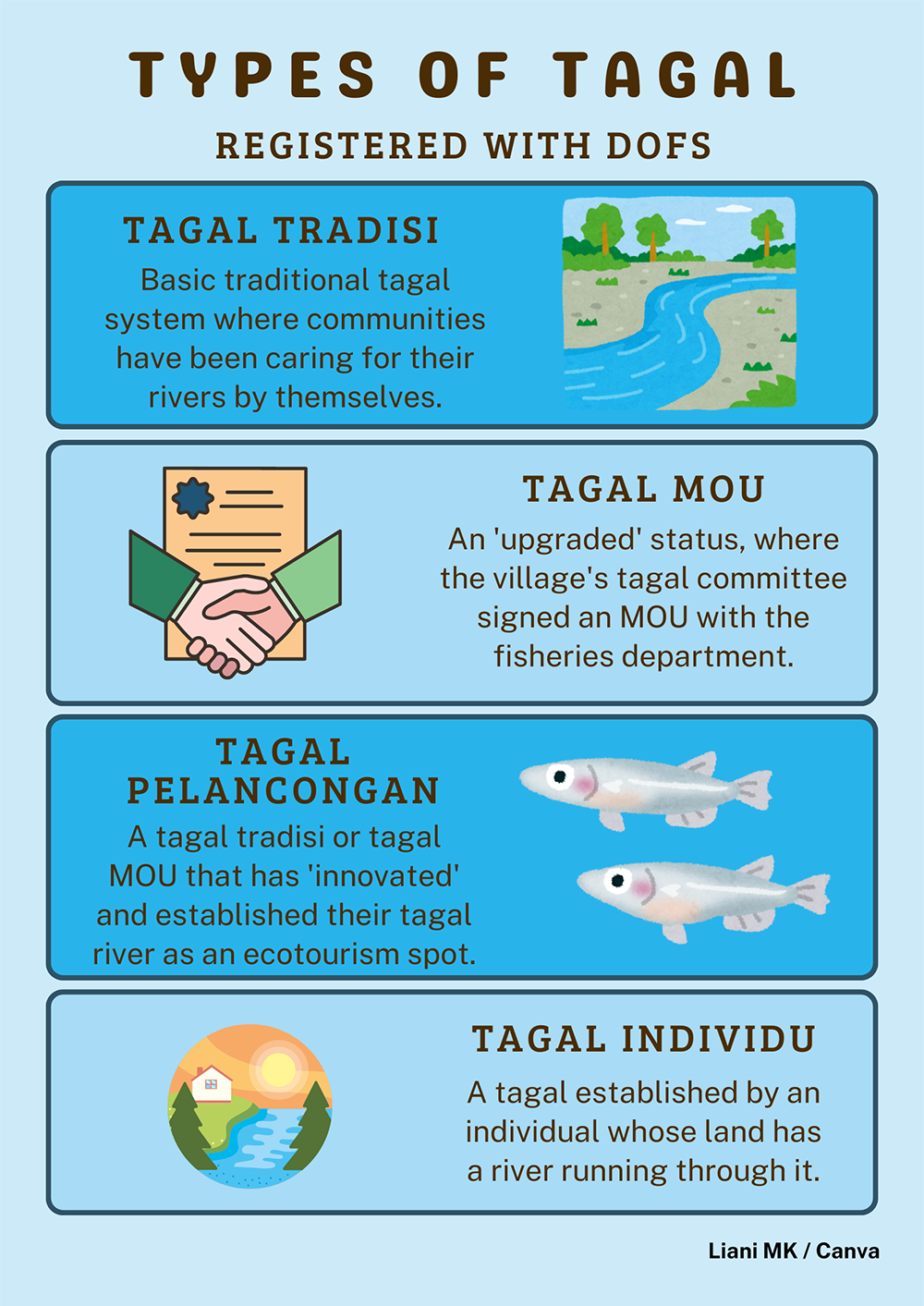
This commitment to upholding the Tagal system has tangible benefits.
This year alone, Hamdan and the Tagal committee he leads have raised over RM30,000 by opening their river to visitors, with an entrance fee of RM5.
This amount goes back to the village, as they help fund villagers in need - from students to single parents and the elderly.
By restoring freshwater fish populations through community-run conservation efforts, the Tagal system helps preserve the environment and also supports the economic backbone of the state's fisheries sector.
“When you do anything - such as protecting the river - for a higher purpose like God, good things will happen,” Hamdan added with a knowing smile.
Tomorrow: Locals empowered to protect Sabah rivers now reap aquatic bounty
LIANI MK is a journalist whose work focuses on land and indigenous rights, culture, and migration. This article was produced with the support of Internews’ Earth Journalism Network grant for indigenous environmental journalists.
/file/publisher-c1a3f893382d2b2f8a9aa22a654d9c97/2024/03/5ba6c4be2e3e1adbcaef0190d3188e58.jpg)
/file/publisher-c1a3f893382d2b2f8a9aa22a654d9c97/2023/09/7728dbdc33369ea40aca778a1d549ab6.jpg)
/file/publisher-c1a3f893382d2b2f8a9aa22a654d9c97/2024/07/05e67c9436a7712b854a7f10fdcc6b40.jpg)
/file/publisher-c1a3f893382d2b2f8a9aa22a654d9c97/2023/04/8de59f1e576be27f85de9e299d5f6548.jpg)


Report this comment
Are you sure you want to delete this comment?
This action cannot be undone.