


/file/publisher-c1a3f893382d2b2f8a9aa22a654d9c97/2024/09/afb102efe4d1a69eedd4efccf1df1767.jpg)

Minister worried over migrant workers' growing control in local agriculture
Agriculture and Food Security Minister Mohamad Sabu has expressed concerns about migrant workers’ rising control over the local agriculture sector.
In a speech today, he also claimed that Malaysia is not only facing the Ali Baba problem but also “Ali Bangla”.
“We don’t want the past to repeat itself like between the 1960s and 1990s, Ali is the bumiputera who gets a business licence...
Agriculture and Food Security Minister Mohamad Sabu has expressed concerns about migrant workers’ rising control over the local agriculture sector.
In a speech today, he also claimed that Malaysia is not only facing the Ali Baba problem but also “Ali Bangla”.
“We don’t want the past to repeat itself like between the 1960s and 1990s, Ali is the bumiputera who gets a business licence, and becomes its chairperson but Baba (the Chinese) was the one doing all the work.
“Beyond the year 2000, Ali is still the same person getting the opportunities but he gets Bangladeshis to do the work.
“So now, we have moved from Ali Baba to Ali Bangla,” he said during the Malaysia Agriculture Horticulture and Agrotourism Show 2024 event held at Universiti Putra Malaysia.
The Ali Baba term refers to the act of a licence holder or project beneficiary sub-contracting a project or business opportunity to others to do the work on their behalf.
Earlier reports indicated that almost 40 percent of the agriculture sector workforce last year consisted of migrant workers due to a lack of interest among local youths.
It also indicated that if the trend continues in the next five to 10 years, migrant workers are expected to dominate the agriculture sector.
Why are we failing?
On that note, Mohamad said he is bewildered about why an enterprise started by a bumiputera fails but succeeds when the same opportunity is sub-contracted to others.
“When we (bumiputera) do farming, fish farming, we report losses but when a Bangladeshi does it, he makes a profit.
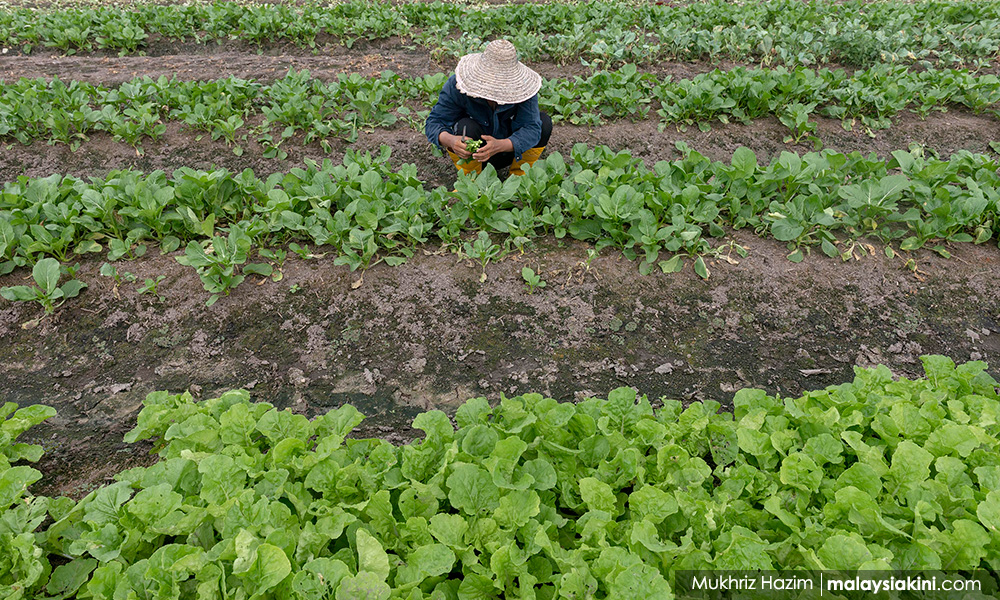
“Where did we go wrong? Let’s talk about this in the convention,” he added.
The Amanah president said the same issue could be seen in markets and wholesale outlets, where migrant workers seem to have control over them - legally or otherwise.
“This is why we must look at this matter seriously. If Ali gets the opportunity (to do business), Ali should do the work and he should be the one enjoying the success.”
Don’t squander opportunities
Offering advice, Mohamad urged the bumiputera community not to squander the opportunities given, especially in the agricultural sector.
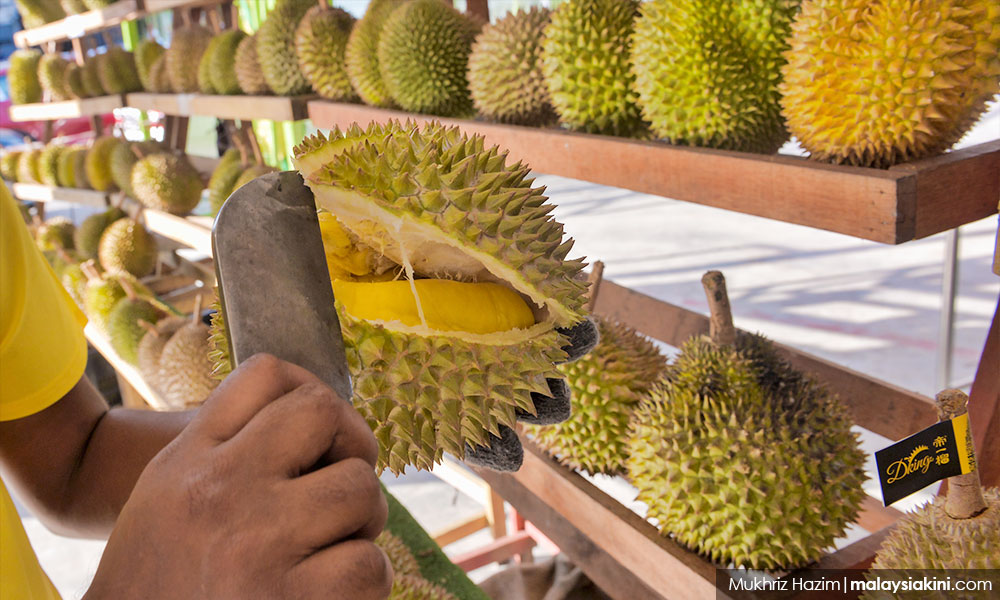
Citing durian plantations as an example, he said Malays used to embark on the venture in the past, albeit on a small scale to support their families.
“But durian (plantation) is now a big business and is projected to rake in about RM6 billion in the next five to six years.
“And we Malays are left out despite the community being pioneers in places like Bukit Gantang, Perak; Baling, Kedah, Johor and in other places,” he said.
Mohamad also encouraged bumiputera entrepreneurs to be patient as making a profit in the agriculture industry takes time.
“Give yourself about five to six years. The return on investment is slow but once it comes, your finances will stabilise.
“And this goes for all types of farm produce including chilli. It will take about five to six months to reap its benefits and our youngsters prefer fast results.
“It’s okay. Just remember agriculture is a big business now and in the future,” he added.
/file/publisher-c1a3f893382d2b2f8a9aa22a654d9c97/2023/11/a2f0eae661e11cf0fc56cc50ba2aee58.jpg)
/file/publisher-c1a3f893382d2b2f8a9aa22a654d9c97/2024/07/69ec0782be5bbf6491968f5d5feff46d.jpg)
/file/publisher-c1a3f893382d2b2f8a9aa22a654d9c97/2023/11/70b2aad32074d1e8455ecb2cd9925c57.jpg)
/file/publisher-c1a3f893382d2b2f8a9aa22a654d9c97/2020/08/e5a1f44187d6f4a75e59dcc71967a229.jpg)


Are you sure you want to delete this comment?
This action cannot be undone.