


/file/publisher-c1a3f893382d2b2f8a9aa22a654d9c97/2024/01/34d7f895037be2c68e9e785cdd5ebc97.jpg)

Bersih lists five reforms to include in govt-PN memorandum
Electoral watchdog Bersih has outlined five recommendations that should be included in the government’s memorandum of understanding (MOU) on opposition allocation.
In a statement, the group noted that the current MOU draft lacks a clear agenda for reform, which is crucial to fostering understanding between the federal government and the opposition beyond merely providing constituency development funds (CDF) to opposition MPs.
“The direction of the MOU between the federal government and the opposition should...
Electoral watchdog Bersih has outlined five recommendations that should be included in the government’s memorandum of understanding (MOU) on opposition allocation.
In a statement, the group noted that the MOU draft lacks a clear agenda for reform, which is crucial to fostering understanding between the federal government and the opposition beyond merely providing constituency development funds (CDF) to opposition MPs.
“The direction of the MOU between the federal government and the opposition should have clearer objectives.
“Specifically, it should ensure that a reform agenda is realised as a result of the consensus between the government and opposition so that the country can advance as a democratic nation and become a model in the region,” Bersih stated.
Bersih views these recommendations as vital to ensure the successful implementation of reforms that benefit the people.
Key proposals
1. Legalising the CDF to guarantee equitable distribution of funds to both government and opposition MPs, thereby safeguarding equal rights for all.
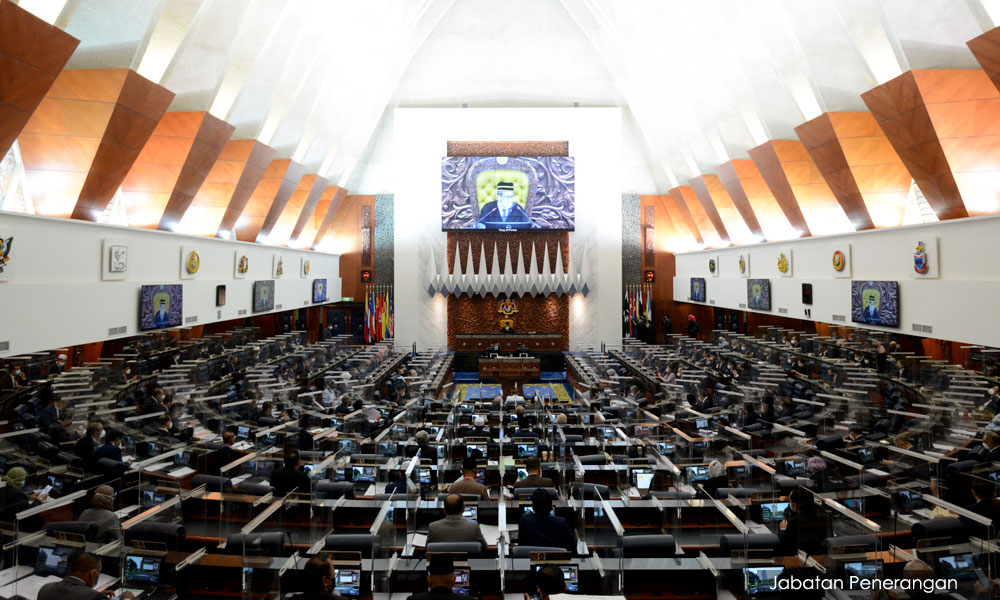
2. Establishing a permanent parliamentary committee to appoint members of the Election Commission (EC), prior to their approval by the Yang di-Pertuan Agong. This step would ensure the EC’s independence, fairness, and accountability to Parliament in upholding free and fair elections.
3. Revising the Standing Orders in the Dewan Rakyat to provide clear guidelines on votes of confidence and no confidence. Bersih also suggests granting the opposition more time to raise issues in Parliament, enhancing their role as a meaningful and constructive opposition.
4. Recognition of the shadow cabinet formed by the opposition and providing them with adequate resources and access to information. This would enable effective oversight of ministers and bolster their capacity as constructive opposition.
5. Reforming the Attorney-General’s Chambers (AGC) and the MACC to remove political influence from the prime minister. This includes separating the roles of the AG and the public prosecutor and making the appointment of the MACC chief more transparent, with Parliament playing a key role.
Rejected on 4 grounds
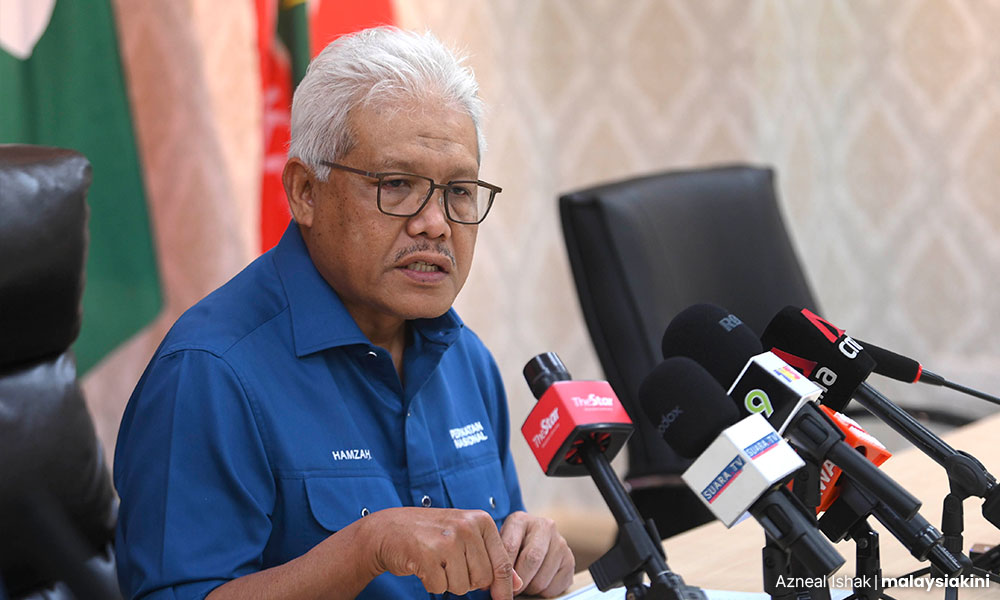
On Sept 15, opposition leader Hamzah Zainudin announced that they had unanimously rejected the government’s MOU, citing four concerns, including fears that the agreement could impact the rights and privileges of the Malays and bumiputera as guaranteed by the Federal Constitution.
Following the rejection, Deputy Prime Minister II Fadillah Yusof revealed the MOU’s content and dismissed Hamzah’s concerns as baseless.
Bersih also suggested that the MOU signed during former prime minister Ismail Sabri Yaakob’s administration should serve as a starting point for further implementation, as many senior leaders from BN, Perikatan Nasional, and Pakatan Harapan were involved in negotiating and signing that agreement.
The watchdog further criticised the opposition for failing to present any substantial proposals aside from concerns over Malay and bumiputera rights.
“We urge both the government and opposition to engage professionally, transparently, and honestly when discussing the MOU’s content so that the public can experience the tangible benefits of such an agreement,” the statement continued.
Bersih also recommended that parliamentarians include civil society organisations (CSOs) in discussions about political stability, as CSOs represent the people’s voice.
/file/publisher-c1a3f893382d2b2f8a9aa22a654d9c97/2021/08/6943bf19c02990484599c62aeba2ad75.jpg)
/file/publisher-c1a3f893382d2b2f8a9aa22a654d9c97/2022/03/6a29c66bac37ad1d5f45139f10c0dd81.png)
/file/publisher-c1a3f893382d2b2f8a9aa22a654d9c97/2024/02/539a0711cdcfb1dd68e248390481fba8.jpg)
/file/publisher-c1a3f893382d2b2f8a9aa22a654d9c97/2023/06/80539bca2d7c1de3169e55b27c2ae9ca.jpg)
/file/publisher-c1a3f893382d2b2f8a9aa22a654d9c97/2020/09/7c144f455581b3a10b362503209a67b0.jpg)


Are you sure you want to delete this comment?
This action cannot be undone.