
The cabinet has decided to maintain the status quo on halal certification, despite a proposal to make it mandatory for eateries that do not serve pork or alcohol.

“The existing policy will be maintained and is open to any industry that is prepared to follow all requirements and standards for halal certification in Malaysia.

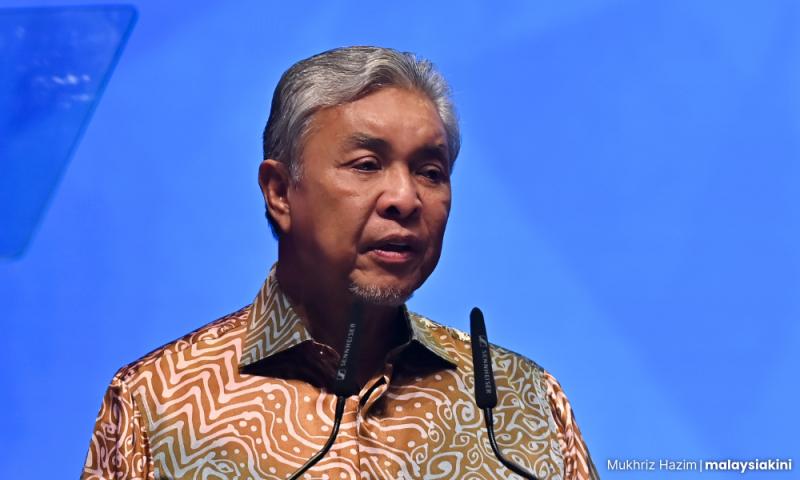
“The Malaysia Halal Verification Certificate obtained through the process will provide added value to the certificate holder for their high commitment to always follow halal certification standards,” said Deputy Prime Minister Ahmad Zahid Hamidi in a statement today.

The decision was made during a cabinet meeting today, where Minister in the Prime Minister’s Department (Religious Affairs) Mohd Na’im Mokhtar made a presentation on the issue.

Early this month, Na’im had said the Islamic Development Department (Jakim) was considering a proposal to make halal certification mandatory for restaurants and food companies that do not serve pork or alcohol.

He later clarified that he was merely responding to a reporter’s question whether Jakim had plans to make halal certification mandatory, to which he responded in the affirmative but emphasised it was merely an idea that has yet to be studied.

Nevertheless, the issue has sparked controversy in the weeks since the idea was brought up.

This was especially when DAP MP Teresa Kok urged the government to review the proposal, saying it would burden businesses and make Malaysia a subject of international ridicule.

Her statement - particularly the suggestion that the issue could cause national embarrassment - has courted backlash and a police investigation.

Kok has since blamed an erroneous ChatGPT translation for using the term “memalukan” (embarrass), though Malaysiakini’s checks found it to be an accurate translation of her original statement in Chinese.

Improving halal cert process

Meanwhile, amid complaints that the certification process could pose a significant burden to businesses, Zahid assured that Jakim, the Islamic Religious Council, and state religious councils remain committed to improving halal certification services.

He highlighted that the federal government, state governments, and private entities offer various incentives such as training and grants to help businesses with the certification process.

Under a Jakim initiative to expedite the process, 96 percent halal certification applications between January and July this year were processed within 30 days.

“Such proactive measures are one of the reasons encouraging industry players to apply for the Malaysia Halal Verification Certificate,” said Zahid, who is also chairperson of the Halal Industry Development Council.

He added that Jakim is encouraging industry players to apply for the certificate since it helps attract Muslim customers to dine at their establishments without doubts about the halal status of their food.