


/file/publisher-c1a3f893382d2b2f8a9aa22a654d9c97/2020/12/36e34d60f0bab3971cc05abde45105bf.jpg)

Warisan questions if 20 reps involved in mining scandal
Following the allegation that a cartel applied to mine about five percent of Sabah, Warisan said this has raised more questions, among them, the number of assemblypersons involved in the scandal.
“The article mentions approximately 20 prospecting licences (PL or exploration licence) applications between 2022 and 2024. Does this imply that 20 different YBs (assemblypersons) were involved?
“If so, who are these YBs besides those already exposed by the...
Following the allegation that a cartel applied to mine about five percent of Sabah, Warisan said this has raised more questions, among them, the number of assemblypersons involved in the scandal.
“The article mentions approximately 20 prospecting licences (PL or exploration licence) applications between 2022 and 2024. Does this imply that 20 different YBs (assemblypersons) were involved?
“If so, who are these YBs besides those already exposed by the whistleblower? The public deserves clarity on the full list of individuals linked to these applications,” said party information chief Mohd Azis Jamman in a statement today.
The whistleblower has claimed that he possesses more video recordings but Malaysiakini has not sighted them. He has since released several videos claiming that they contained discussions about the money he had given the politicians in exchange for supporting his licence application.
He was responding to a Free Malaysia Today article, quoting an anonymous source, that between 2022 and 2024, the cartel applied for around 20 licences for almost one million acres (404,685.6ha).
The source claimed that the licences were recommended to the Sabah Mineral Management Sdn Bhd (SMM) board for approval without any due diligence backing the applications.
“And at every (SMM) board meeting, more applications would be submitted by companies controlled by the businessperson for the right to mine in different areas,” they said.
Issues abound
Azis pointed out that with a premium of RM50 per acre, one million acres would translate to RM50 million in state revenue.
“Was this money paid to the Sabah government? If paid, where is the record of these funds? If unpaid, what legal actions have been taken to recover the amount owed?” he asked.
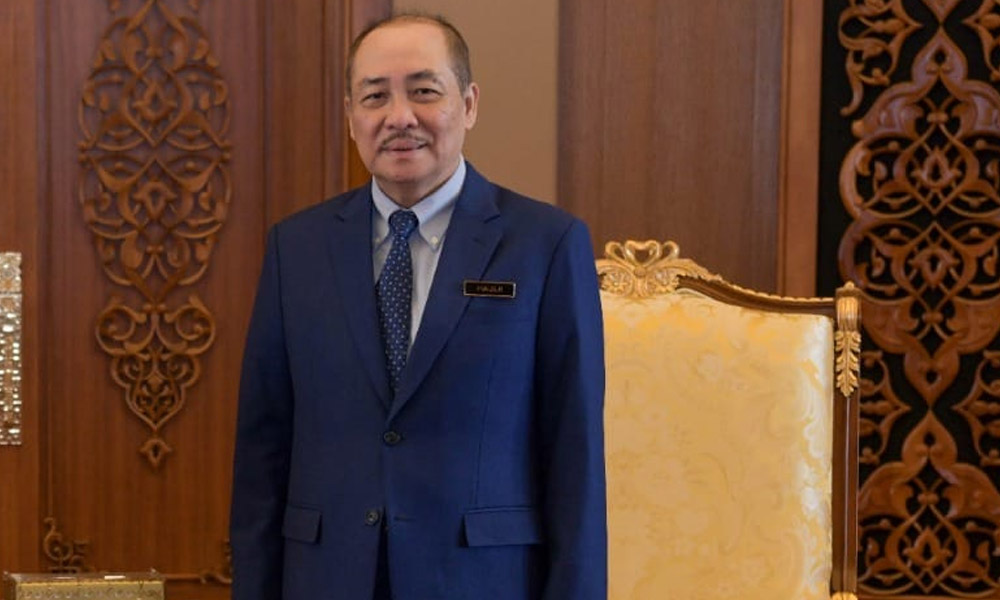
Azis also referred to another FMT article, quoting an anonymous source, as claiming that Hajiji was blackmailed and offered a bribe to approve the licences but he had stood his ground.
Shifting his focus to the SMM board, Azis asked: “Since the board was responsible for approving the licences, who were its members, and were they aware of the alleged threats and bribes?
“Were there internal objections before the scandal became public? The public deserves access to meeting minutes and records of the board’s decision-making process,” he added.
Azis also raised the issue of conflict of interest in state agencies since the article mentioned that the alleged cartel consisted of a businessperson and former directors of several state agencies.
“The mention of ‘former directors of several state agencies’ suggests possible insider influence. Were these individuals still exerting control or influence despite leaving office? Were there any checks in place to prevent conflicts of interest in state agencies involved in the mining approval process?” he asked.
The Warisan leader sought an explanation of the number of exploration licences which were ultimately revoked.
“Were mining (exploration) activities already ongoing before the revocations? Were the companies involved blacklisted or further investigated? The government must disclose its next steps to prevent continued exploitation of Sabah’s natural resources,” he added.
Azis pointed out that the article does not mention if payments were made for the licences and therefore the government must clarify if financial transactions took place.
“And if so, what happened to the money after the licences were revoked?” he added.
Threat, bribe
As for the alleged threat and bribe offer involving Hajiji, the Warisan leader asked if there is documented evidence in the form of written communication or recordings.
“If these threats were credible and severe, why were no legal proceedings initiated against the alleged perpetrator?

“Given the severity of the allegations, why did the government choose to reveal these claims only after public outcry and media exposure? This approach raises concerns about selective transparency and damage control rather than a genuine commitment to good governance.
“These are critical questions the people of Sabah deserve answers to. A transparent and accountable response from the state government is essential to restoring public trust and ensuring justice is served,” he added.
The prospecting or exploration licence would allow the licensee to explore economically viable mineral resources, which would pave the way for eligible companies to apply for a mining lease if the presence of such resources is confirmed.
Hajiji has assured that the state’s mineral resources are protected and carefully managed to protect the people’s future. No mining leases have been issued to date.
Previously, the chief minister said the state government had issued 26 prospecting licences in the last two years, as per Section 6 of the Sabah Mining Ordinance 1960.
/file/publisher-c1a3f893382d2b2f8a9aa22a654d9c97/2024/07/a061a6a140254efd2cb6f46d9c4ebd60.jpg)
/file/publisher-c1a3f893382d2b2f8a9aa22a654d9c97/2023/10/fb175fa214a3c6889ea683e9bd918a2f.jpg)
/file/publisher-c1a3f893382d2b2f8a9aa22a654d9c97/2020/09/98b9bb180f57125457663755ec0a9473.jpg)
/file/publisher-c1a3f893382d2b2f8a9aa22a654d9c97/2022/10/30d25ab300a6d1498d5f5c38340067a0.jpg)
/file/publisher-c1a3f893382d2b2f8a9aa22a654d9c97/2024/03/844d5c1e9edb915fa6bb61932c3fff68.jpg)
/file/publisher-c1a3f893382d2b2f8a9aa22a654d9c97/2024/05/041f927d343569950d6d16972b4c6018.jpg)


