


/file/publisher-c1a3f893382d2b2f8a9aa22a654d9c97/2024/10/e9897cb910228f213c36d36171c337e4.jpg)

PSC: Sex education should address legal tangle of underage intercourse
The Women, Children, and Community Development Parliamentary Select Committee (PSC) has highlighted the urgent need for Malaysia’s sex education syllabus to address legal implications surrounding underage relationships.
Its chairperson Yeo Bee Yin has called for updates to the Reproductive and Social Health Education (Peers) module to ensure both children and parents understand the law.
The Women, Children, and Community Development Parliamentary Select Committee (PSC) has highlighted the urgent need for Malaysia’s sex education syllabus to address legal implications surrounding underage relationships.
Its chairperson Yeo Bee Yin has called for updates to the Reproductive and Social Health Education (Peers) module to ensure both children and parents understand the law.
During a press conference today, Yeo (above) highlighted widespread ignorance regarding the legal consequences of sexual activity involving minors.
She pointed out that consensual sex between individuals under 16 is classified as statutory rape under Malaysian law.
“Many parents and children are unaware that engaging in sexual activity under 16 is a criminal offence, even if consensual,” Yeo said.
“This has led to cases where young boys are sent to rehabilitation centres for having relationships with their underage girlfriends, as the Penal Code defines rape as a crime committed solely by males.”
‘Crucial for children to understand repercussions’
Yeo stressed that this gap in understanding contributes to unintended legal and social consequences, especially for young boys who may face rehabilitation for actions they do not realise are criminal.
To address this, Yeo urged the Education Ministry to update the sex education syllabus and called for the curriculum to not only teach children about the risks of sexual relationships but also educate them about the penalties under the law.

“It’s crucial for children to understand the repercussions of their actions,” she said.
“Even in boyfriend-girlfriend relationships, sex under 16 is prohibited.”
In November, Education Minister Fadhlina Sidek said that the ministry will incorporate the Peers module into the 2027 school curriculum to address the rising number of teenage pregnancies in the country.
She said this decision had been approved by the Women, Family, and Community Development Ministry, adding that the ministry welcomes cross-ministry collaboration to tackle the issue.
The decision came after Women, Family, and Community Development Minister Nancy Shukri expressed concern over issues surrounding teenage pregnancies, child marriages, baby dumping, and unsafe abortions in the country.
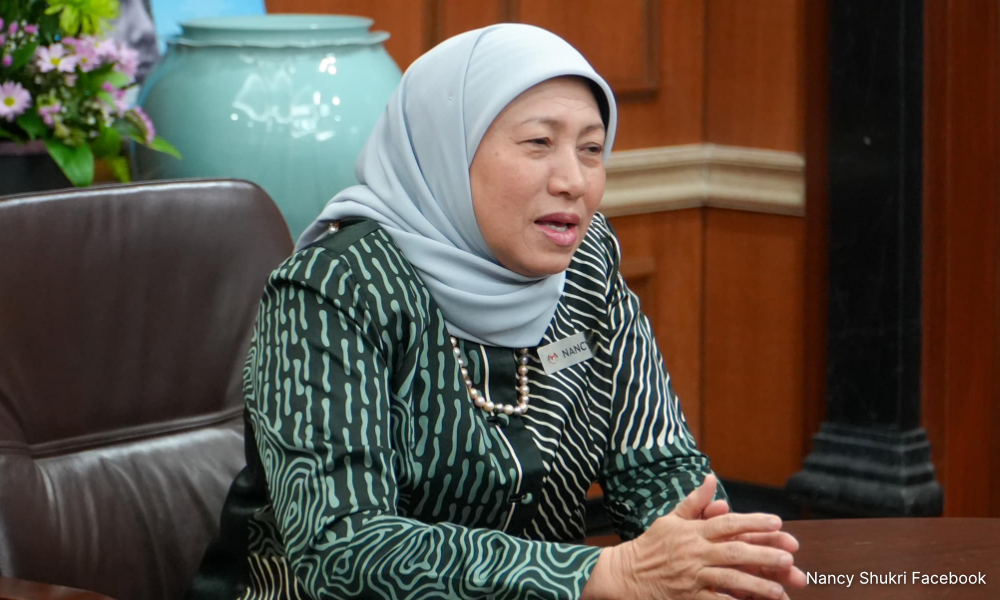
Citing data from the Health Ministry, Nancy said 44,263 cases of teenage pregnancies have been recorded over the past five years, with 17,646 cases involving unmarried teenagers.
Gender segregation for Peers classes
Additionally, Yeo suggested that the ministry ensure Peers education on such topics is conducted separately for boys and girls to foster a more focused and comfortable learning environment.
“This is because some of the topics are quite sensitive,” she said.
The PSC also found that children as young as eight years old have fallen afoul of the law in issues involving sexual crimes, sexual grooming, and other sexuality-related issues.
“The committee feels that there is a need to assess whether children truly understand the educational issues taught in schools.
“Does the health education syllabus taught in schools have the ability to protect our children from the increasingly alarming risk of sexual crimes?” she said.
/file/publisher-c1a3f893382d2b2f8a9aa22a654d9c97/2024/12/0d6773260e3a4d8c69b6b96fa0c43419.jpg)
/file/1185/326851da12e46f40f340cbd7c551cd45.jpeg)
/file/publisher-c1a3f893382d2b2f8a9aa22a654d9c97/2024/09/75e2ef23bbec904f5c3198e7e389b1fc.jpg)
/file/publisher-c1a3f893382d2b2f8a9aa22a654d9c97/2024/09/a5e16eb395f88a41edb0f76e0922a856.jpg)
/file/publisher-c1a3f893382d2b2f8a9aa22a654d9c97/2022/10/5891d71a63d170d9315745de57538e19.jpg)


Are you sure you want to delete this comment?
This action cannot be undone.