


/file/publisher-c1a3f893382d2b2f8a9aa22a654d9c97/2023/03/06f40c9c5881cfd0a118a60093bbe80d.jpg)

Tiong slams bid to destabilise govt, wants PM to complete term
Without naming specific individuals, he criticised ongoing efforts to destabilise the government by advocating leadership changes outside the democratic election process...
Summary
Tiong King Sing urges for political stability, emphasising that Prime Minister Anwar Ibrahim should serve his full five-year term to ensure the successful implementation of government policies and initiatives.
The minister argues that Anwar’s leadership should be evaluated based on the government’s overall performance at the end of its term.
Reflecting on the adverse effects of past political turmoil, he calls on all parties to prioritise long-term stability over short-term political agendas.
Tourism, Arts, and Culture Minister Tiong King Sing has called for political stability, stressing that Prime Minister Anwar Ibrahim should complete his five-year term to ensure the success of government initiatives.
Without naming specific individuals, he criticised ongoing efforts to destabilise the government by advocating leadership changes outside the democratic election process.
“Repeated efforts to incite disputes, create unrest, and divide the country to push for a change in leadership must be condemned as desperate moves for personal and political gain,” he said in a statement today.
Tiong warned that such actions threaten the nation’s unity, security, and international reputation, calling for an end to these destabilising attempts.
He highlighted Malaysia’s recent political stability and gradual economic recovery as achievements borne out of collective efforts between the government and the people.
The Bintulu MP cautioned that speculation about leadership changes could undermine the government’s momentum in attracting investments and strengthening the economy.
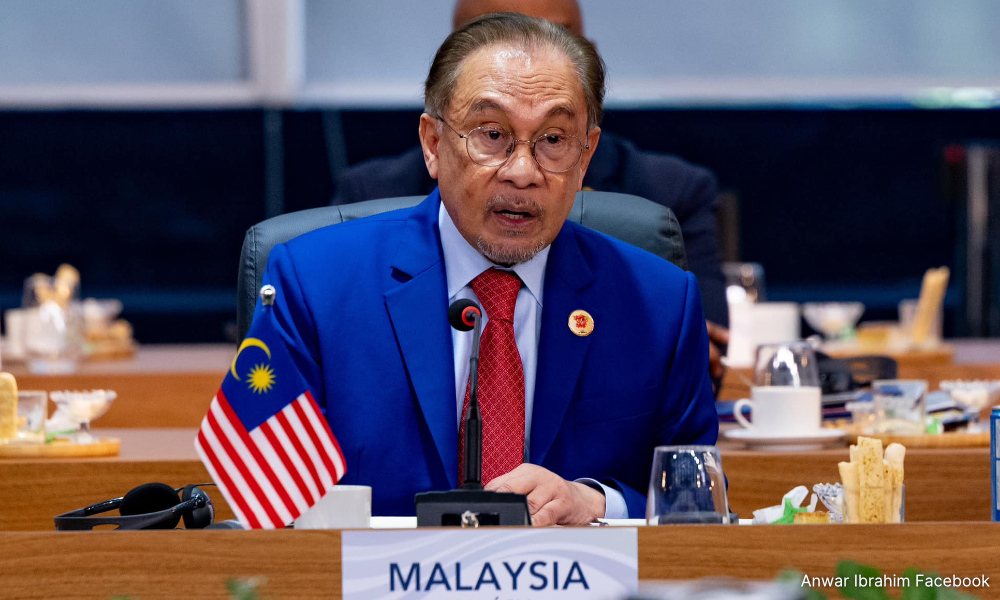
‘Wait until GE16 if change needed’
Tiong reaffirmed his belief in allowing Anwar to serve a full term.
The Progressive Democratic Party (PDP) president argued that leadership should be judged based on the government’s overall performance at the end of its mandate.
“I believe that Anwar should be allowed to complete his five-year term, enabling the unity government to fully implement planned initiatives and policies that benefit the people.
“At the next general election, the rakyat will have the opportunity to evaluate the government’s five-year performance, particularly its efforts to improve livelihoods and the economy, and decide whether a leadership change is warranted.
“If Anwar fails to deliver satisfactory results, the rakyat has the right to express their will through the ballot box,” Tiong said.
Reflecting on past political turmoil, he reminded Malaysians of the detrimental effects of frequent leadership changes, which had disrupted governance and caused significant hardship for citizens.
He urged all parties to prioritise long-term stability over short-term political agendas.
Naijb’s royal addendum issue
Turning to the case of former premier Najib Abdul Razak's alleged royal addendum on house arrest, Tiong admitted to having limited knowledge of the matter.
Nevertheless, the minister called for trust in the Pardons Board and adherence to the Yang di-Pertuan Agong’s emphasis on political stability.
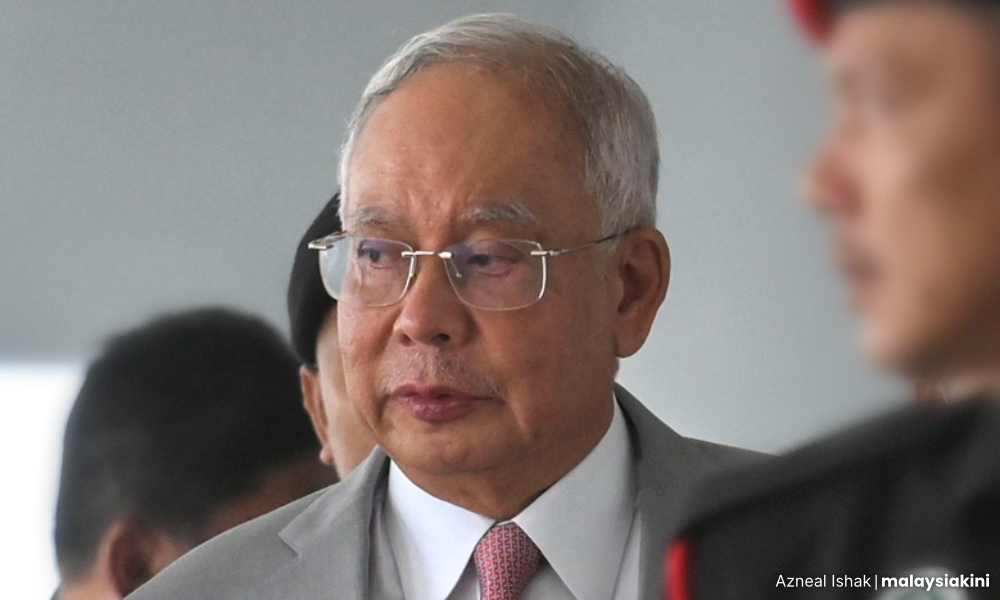
He further stressed the importance of resolving disputes through dialogue and negotiation rather than disruptive measures.
“At this critical juncture, we must focus on recovery and growth rather than allowing political agendas to derail our progress,” Tiong said, urging stakeholders to remain united in rebuilding the nation.
The political landscape was further stirred by accusations from opposition leader Hamzah Zainudin, who alleged that Anwar concealed the royal addendum, claiming it amounted to dishonesty and betrayal of constitutional principles.
Similarly, PAS leader Ahmad Fadhli Shaari demanded Anwar’s immediate resignation over the royal addendum issue, citing a crisis of trust and a loss of government credibility.
/file/publisher-c1a3f893382d2b2f8a9aa22a654d9c97/2024/10/55c6ba7a62538401aab86293d0ab3684.jpg)
/file/publisher-c1a3f893382d2b2f8a9aa22a654d9c97/2025/01/25980f1297e978ed62faf8f825575e9f.jpg)
/file/publisher-c1a3f893382d2b2f8a9aa22a654d9c97/2023/08/fa8e356a7e811b1e97fabffdb4d6e0a3.jpg)
/file/publisher-c1a3f893382d2b2f8a9aa22a654d9c97/2024/12/b90bf91ee04b680572079ef87311539a.jpg)


Report this comment
Are you sure you want to delete this comment?
This action cannot be undone.