


/file/publisher-c1a3f893382d2b2f8a9aa22a654d9c97/2019/02/8247e7333be115e04811c8b826cd3525.jpg)

M'sian NGOs hobbled by Trump aid freeze, forced to crowdfund
The groups, including those advocating for freedom of speech, wildlife conservation, and refugee relief, said they were affected in various ways, with some facing difficulties paying salaries for the next three months...
Summary
Some local NGOs are affected by US President Donald Trump’s executive order to freeze all foreign aid.
To plug the hole, some are forced to crowdfund to pay for salaries.
The foreign aid freeze will have a devastating impact around the world, an expert says.
Several NGOs in Malaysia have been affected by US President Donald Trump’s executive order for a 90-day blanket freeze on foreign aid, which started on Jan 20.
The groups, including those advocating for freedom of speech, wildlife conservation, and refugee relief, said they were affected in various ways, with some facing difficulties paying salaries for the next three months.
Several NGOs who spoke to Malaysiakini confirmed their source of funding was affected but many declined to speak on record fearing potential backlash. Others declined to provide more information for “legal and security reasons”, while some said they are still assessing the impact of the executive order.
One grassroots NGO which is severely affected is Justice for Wildlife Malaysia (JWM).
JWM addresses wildlife trafficking by tracking and reporting wildlife-related court cases and heavily relies on grants to sustain its activities.
The NGO also trains wildlife rangers to combat poaching, said its co-founder Nor Arlina Amirah Ghani, also known as Ann.
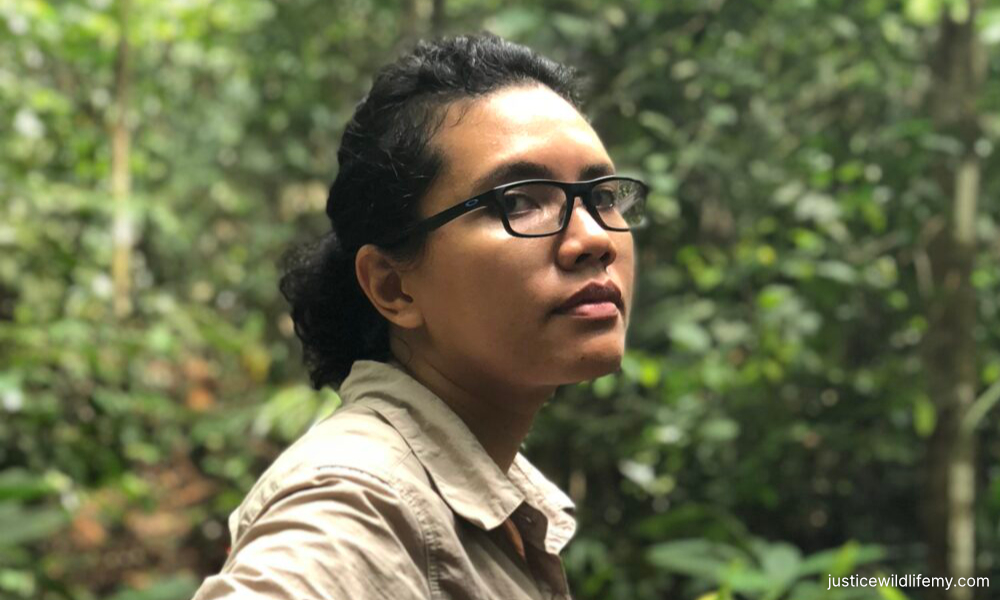
However, funding was frozen starting Jan 25, leaving Ann scrambling to fundraise to ensure the work continues and her staff members are adequately compensated.
“So far, we received three emails to cease all work (under the grant) and not incur any expenses starting from Jan 25, for up to 90 days pending review by the US government.
“JWM just started hiring a month ago. We even have a new staff member coming in this week, but we have to inform her that we cannot hire her,” she told Malaysiakini.
Ann said this year, JWM planned to implement three projects funded by the US State Department or via sub-grants from NGOs that receive grants from the US government.
“We choose to get grants from the US as they have a lot of government agencies offering grants that are related to our work,” she said.
No salary for three months
Ann said JWM needs about RM90,000 for three months of activities, which cover staff costs around the country.
“So now, to sustain our activities, I had to use all of our contingencies from our next year’s budget, but it may last us at most for 45 days,” she said.
Hitting the panic button, Ann took to social media to crowdfund the balance.
However, she is pessimistic that JWM will be able to raise the funds needed in the short period, given that it is a small NGO with very little public exposure.
She said Trump’s executive order means most JWM employees will not receive their salaries for the next three months.
“We are talking about passionate people who are willing to relocate to Sabah to pursue their passion in wildlife conservation.
“We are talking about people who left their corporate jobs to help save Malaysian wildlife,” she said on X.
“At this point, I will take whatever I can to brace through this. I am willing to conduct awareness talks in return for the contribution,” she said, offering a transparent audit of the donations.
Indirectly hit
Meanwhile, Asylum Access Malaysia, which provides legal services for refugees and people seeking asylum, said it is not directly affected by the order but expects to sustain ripple effects.
Its associate director of operations, Sivaranjani Manickam said the Asylum Access global office and Thailand office were affected directly but Asylum Access Malaysia is relatively spared because it does not carry out any work directly funded by the US.
“But when funding stopped to other offices, we were also asked to downsize because our funding needed to be shared with other offices,” she told Malaysiakini via Whatsapp.
She said the order has left many in civil society shocked.
“The language used in the stop order letter directly rejected all diversity, equity, and inclusion (DEI) related work and (it showed) the US is not willing to support any DEI work,” Sivaranjani said.
Beyond Borders Malaysia founder Mahi Ramakrishnan said her NGO, which promotes and protects the rights of refugees and stateless persons, is not affected as it moved away from securing US funds since 2023.
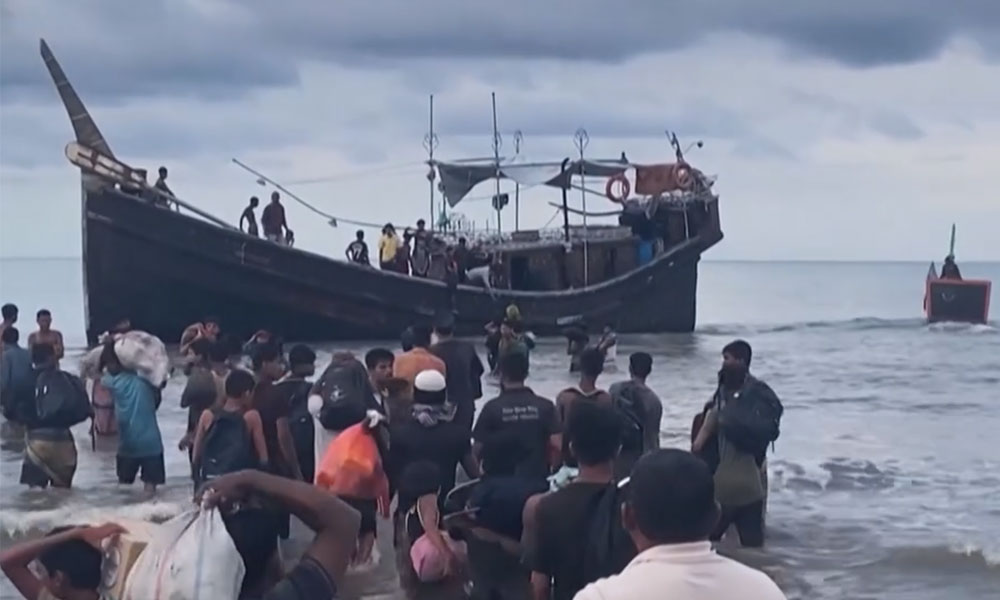
However, the NGO is still anticipating some indirect impact through the counterterrorism work it does with other civil society organisations in the US, South America, as well as the Middle East and North Africa (Mena) region.
“It worries me to think that such projects may not be feasible anymore,” she said.
Mahi added this may affect future funding for a project to end the persecution of civilians by the Myanmar junta. The project was previously funded by donors in the US, she said.
Civicus, a global civil society alliance, said part of its crisis response funds is affected as it is funded through Freedom House, which in turn receives part of its funding from the US State Department.
“The CSO (civil society organisation) consortium members have been directly affected,” said its chief officer for advocacy and solidarity action, Jessica Corredor Villamil.
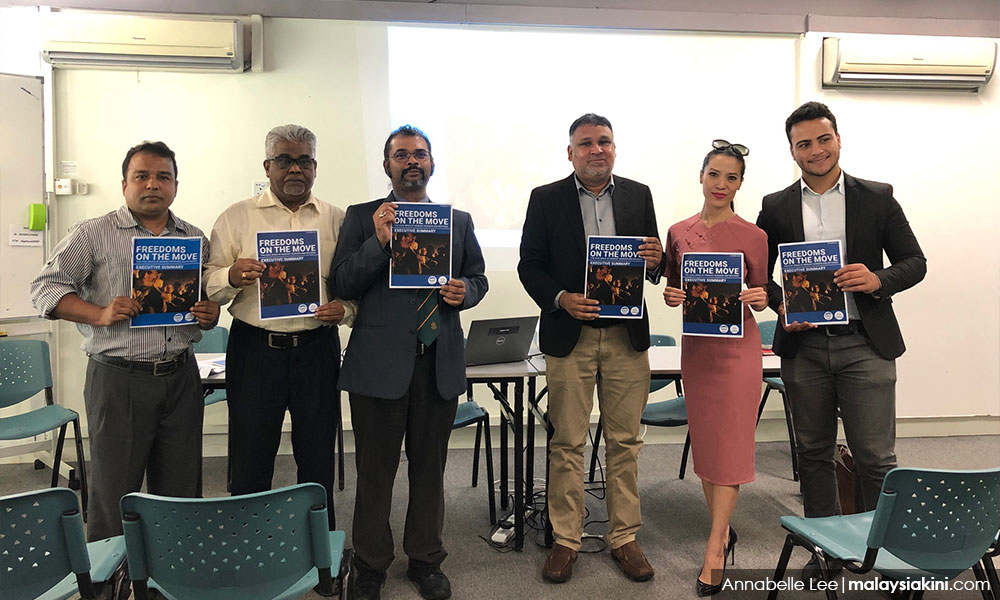
“We are still gathering information on this, but we have already received some testimonies of the impact this has had on their organisations or their partners,” she added.
In Malaysia, the Civicus Monitor undertakes discrete research papers on civic space in the country.
In its December 2024 report, Civicus Monitor said Malaysia’s civic space continues to be rated as “obstructed” due to the array of restrictive laws, especially the Communications and Multimedia Act (CMA) 1998 and the Sedition Act, that have been used to silence online dissent and harass human rights defenders.
The US Embassy in Kuala Lumpur did not respond to Malaysiakini’s request for comment.
Musk: Usaid is criminal
Shortly after his inauguration, Trump signed an executive order that called for a 90-day pause on new foreign aid programmes for “efficiency” and “consistency with US foreign policy”.
Following that, on Jan 24, Secretary of State Marco Rubio issued a directive that effectively froze operations at the United States Agency for International Development (Usaid), the US government’s lead provider of non-military foreign aid.
It stated that no new projects were to be started, no contracts were to be extended, and work had to be stopped on most existing programmes.
This froze over US$60 billion (RM265 billion) in funding for work around the world.

On Jan 27, at least 56 of Usaid’s top brass were sent home on paid administrative leave for 90 days, reportedly cut off from their email.
Agents of Elon Musk, who Trump appointed to head the Department of Government Efficiency, raided the Usaid offices to assume control.
“Usaid is a criminal organisation,” Musk posted on his social network, X.
“It’s time for it to die,” he added.
‘Stop the aid and people die’
The impact is expected to be devastating for many places around the world which rely on Usaid funding for crucial activities like medical supplies, agriculture, and livelihood support.
“We know this decision will cause deaths,” wrote Melissa Conley Tyler, honorary fellow of the University of Melbourne’s Asia Institute, in an opinion editorial for The Conversation.
“Stop-work orders were delivered to programmes that provide Aids medication to patients. If you stop this, people die,” she said.
She added that the halted programmes included the delivery of purchased food and vaccines, leaving them to expire in warehouses.
“On the most important issue for the majority of the world - development - the US decided to withdraw, destroying in a few days what has taken decades to build.”
/file/publisher-c1a3f893382d2b2f8a9aa22a654d9c97/2025/01/d4143f20097c806204c9c03b39591932.jpg)
/file/publisher-c1a3f893382d2b2f8a9aa22a654d9c97/2024/03/f4b9c2df08a0ae96276814681d47838b.jpg)
/file/publisher-c1a3f893382d2b2f8a9aa22a654d9c97/2023/02/5b1ff2178907154309e9bd4db90decdf.jpg)
/file/publisher-c1a3f893382d2b2f8a9aa22a654d9c97/2024/12/69db9a654a148945c4cf1416e7b4f6b5.jpg)


Report this comment
Are you sure you want to delete this comment?
This action cannot be undone.