


/file/1324/42bb9107a24a25e30b84b0762b60b337.jpeg)

Make Malay official Asean language or lose influence - UM academics
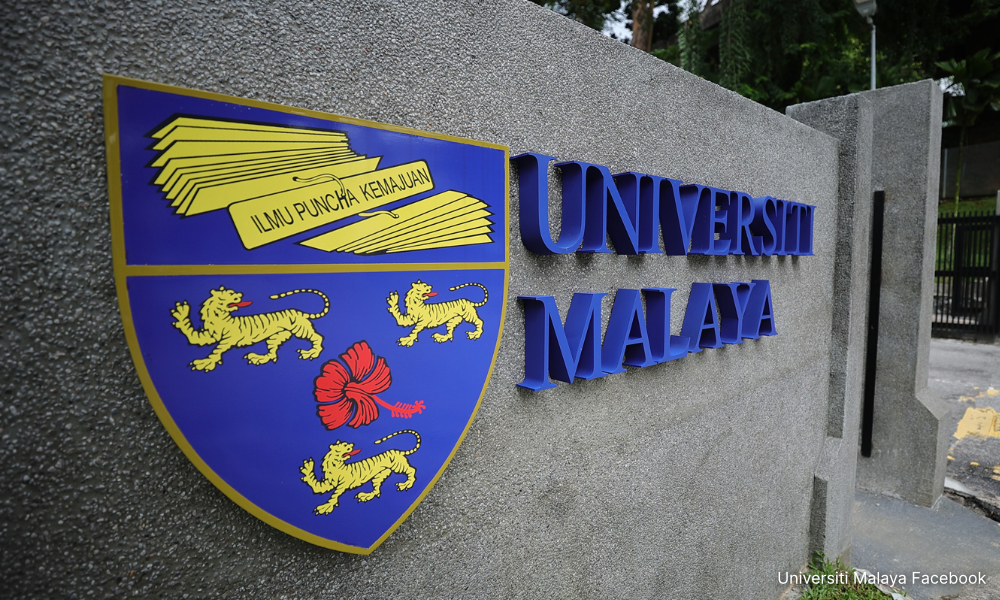
Two Universiti Malaya academics have called for Bahasa Melayu (BM) to become the official language of Asean as there is a concern it could lose its influence.
“English is still the main language used in official matters (of the regional group), causing BM to be sidelined. This raises the concern that BM could lose its regional influence,” they said.
Summary
Two UM language professors call on the government to make Bahasa Melayu the official language of Asean.
They say Bahasa Melayu is increasingly sidelined as English becomes more popular.
They also want a standard form of Bahasa Melayu to be used instead of its multiple variants, including Bahasa Indonesia.
Two Universiti Malaya academics have called for Bahasa Melayu (BM) to become the official language of Asean as there is a concern it could lose its influence.
“English is still the main language used in official matters (of the regional group), causing BM to be sidelined. This raises the concern that BM could lose its regional influence,” they said in a statement today.
Norfaizal Jamain and Nur Afifah Abdul Rahman Halawa warned that English usage is becoming more widespread, especially among the youth.
This causes a lower usage of BM in daily life and economic activities, especially in large cities, the lecturers from the Languages and Linguistics Faculty added.
“The low promotion and education levels of BM in several Asean countries also worsen the situation. In countries that don’t use BM as the official language, it isn’t prioritised in their education.
“As a result, the awareness and interest towards BM decreases,” they lamented.
Standardise BM
The academics added that the variations of BM, such as Bahasa Indonesia, Bahasa Malaysia, and Bahasa Melayu Brunei - while showing cultural richness - cause communication difficulties among Asean member countries.
As such, they called for Malaysia, as the Asean chair this year, to facilitate the standardisation of BM.

“By collaborating with language experts from Asean countries, Malaysia can develop a standard language that is acceptable to all parties.
“This will make communication easier and strengthen a regional identity.”
Education and cultural exchange
The academics pointed out that education and cultural exchange are also important aspects to advance the usage of BM in the region.
“Malaysia can promote the exchange of students and BM teachers. These programmes will not only improve BM skills but strengthen ties between Asean member countries.
“Malaysia can also offer scholarships to students from Asean countries to learn BM at higher education institutions here,” they said.
Developing mobile applications, organising cultural festivals, and tapping into the creative industry could be ways to promote BM across the region, they added.
/file/publisher-c1a3f893382d2b2f8a9aa22a654d9c97/2024/09/f4bdcabc580e0b27548a7fdf1335da44.jpg)
/file/publisher-c1a3f893382d2b2f8a9aa22a654d9c97/2023/12/f272d5903f9eeee2575d9d16f2b916cd.jpg)
/file/publisher-c1a3f893382d2b2f8a9aa22a654d9c97/2024/10/3e5b658f55f45a95569da4bbcd012d32.jpg)
/file/publisher-c1a3f893382d2b2f8a9aa22a654d9c97/2024/08/9dd95ab1e82e0be1630d5c7f1f438c54.jpg)


Are you sure you want to delete this comment?
This action cannot be undone.