


/file/publisher-c1a3f893382d2b2f8a9aa22a654d9c97/2025/02/b9fe17505892e8bdbf40daba004579dd.jpg)

Tiger among endangered wildlife at proposed K'tan gold mine site
There are fewer than 150 Malayan tigers left in the wild.
According to the project’s Environmental Impact Assessment (EIA) report...
Summary
A proposed gold mine in Kelantan threatens critically endangered species like the Malayan tiger due to habitat loss and poaching risks.
Surveys find multiple endangered species at the site, with the project likely to lead to reduced wildlife populations and potential human-wildlife conflicts.
Proposed environmental protections include wildlife management plans and pollution controls.
A proposed gold mine the size of about 145 football fields in a forest complex in Gua Musang, Kelantan was found to be in the path of the critically endangered Malayan tiger.
There are fewer than 150 Malayan tigers left in the wild.
According to the project’s Environmental Impact Assessment (EIA) report, multiple endangered wildlife were spotted at the proposed site, which was removed from the Ulu Galas Permanent Forest Reserve on April 25, 2018.
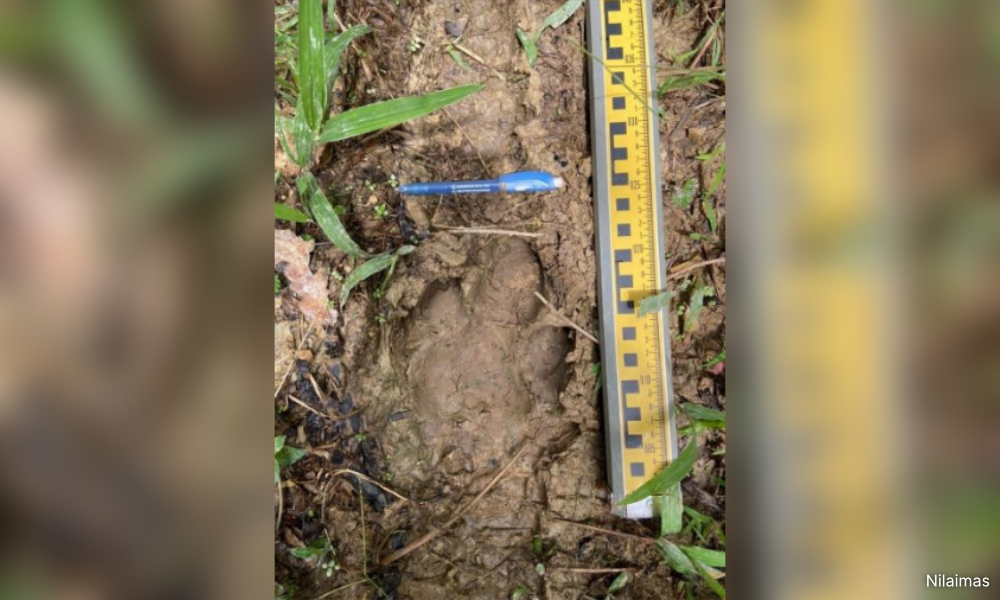
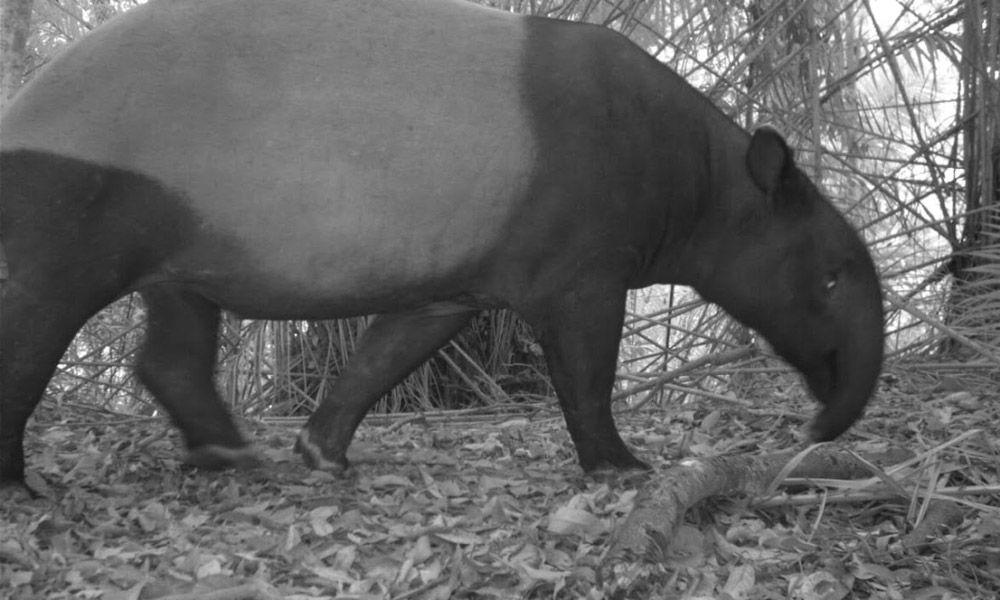
Camera traps were set up for two months in five locations, and surveys in the proposed 74.56ha mining site caught the presence of the following endangered species there:
Malayan tiger
Sumatran serow
Sambar deer
Siamang
Malayan tapir
“The presence of wild boars and deer at the proposed project sites is also of concern given the importance of these areas for conservation of wildlife, as both species serve as food sources to the large predators, such as tigers,” the report read.
The surveyor also captured the presence of the Malayan sun bear and the Asian elephant, read the EIA report, which is available for public viewing and feedback.
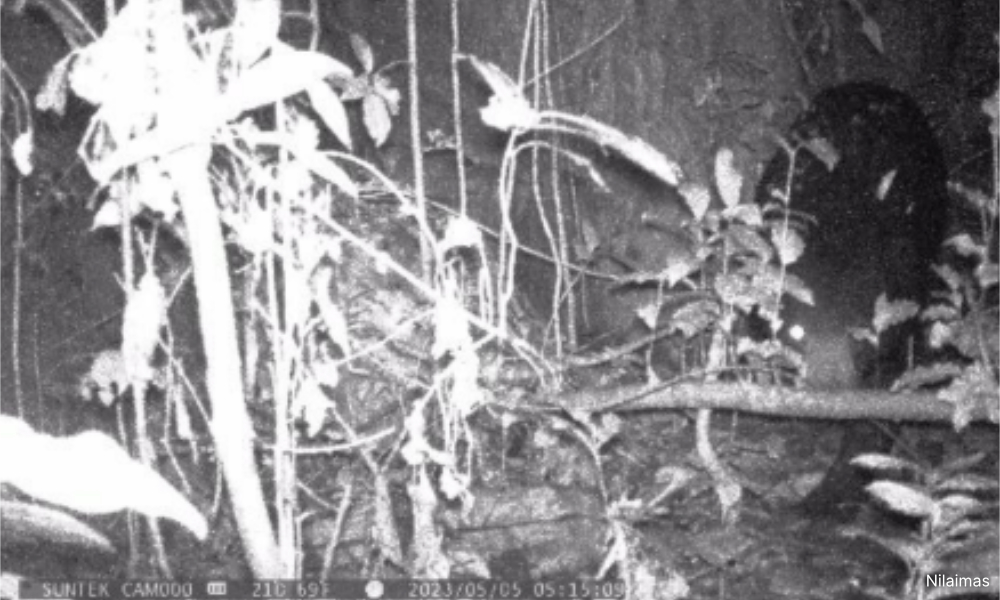
The report also recorded the presence of the endangered blue-winged leafbird and three vulnerable species of birds, namely the rhinoceros hornbill, the little spiderhunter, and the great argus, a type of pheasant.
Several dozen bird species spotted or expected in the proposed site are “totally protected” by the Wild Life Conservation Act 2010.
Habitat fragmentation, poachers
The spotting shows the ecological importance of the site, even though it is not part of a national park of the Central Forest Spine - a natural corridor used by wildlife to move through a network of forests across the peninsula.
The proposed site is 15.05km from the nearest Central Forest Spine linkage.
“The clearance of forested area may lead to habitat fragmentation and sinking of total wildlife niche size, which could act as the catalyst for potential conflicts when sourcing for shelter and food.
“The immediate impact is when the population of mammals and avifauna (like birds) will decrease and they will tend to source for food at the neighbouring areas, like plantations and residential areas,” the EIA report read.
The proposed mining site is located within a 5km radius of 18 forest and oil palm plantations, the report added.
The forest clearing could also mean endangered wildlife will be made more vulnerable to poachers who now have easier access to them.
The noise pollution from the mining may deter birds from nesting, while the impact on water quality in nearby rivers may force wildlife to seek out still water bodies, which can be breeding grounds for diseases like leptospirosis, according to the report.
SAH Global Sdn Bhd will be the operator of the proposed gold mine, while the mining contractor is Syabas Deras Sdn Bhd. Gugusan Timur Sdn Bhd holds the lease.
The Kelantan Land and Minerals Office approved the mining lease on March 29, 2019. However, it expired on March 25, 2024, and the renewal application is under review.
‘Prepare residents for wildlife conflict’
The consultants behind the EIA report proposed various measures to reduce the impact on the environment, including different technologies for mining discharge to ensure water quality in nearby rivers is not affected.
They also proposed measures for site rehabilitation, including revegetation and other heavy metal neutralisation techniques like phytoremediation, where specific plants are used to suck up heavy metals seeping out of waste rock and tailing produced by mining.
Mitigation measures to reduce the impact on endangered wildlife, however, were limited.
They include prohibition of wildlife poaching and trapping on site, producing a wildlife management plan with the Wildlife and National Parks Department of Peninsular Malaysia (Perhilitan), and preparing neighbouring residents for the possibility of wildlife conflict.
The consultants also proposed lights and barriers to keep wildlife out of the project site.
“The contractor must be prepared to provide assistance in case of wildlife conflicts with nearby residents.
“This may be due to migration of animals to other areas following activity on the project site,” the EIA report added.
/file/publisher-c1a3f893382d2b2f8a9aa22a654d9c97/2024/03/189a907c7be45827d83e288dbe98dfae.jpg)
/file/publisher-c1a3f893382d2b2f8a9aa22a654d9c97/2024/10/d9d2b9d0271636cbef005013d406d615.jpg)
/file/publisher-c1a3f893382d2b2f8a9aa22a654d9c97/2025/01/ff150c47ec4e49373566926e88b2fa82.jpg)
/file/publisher-c1a3f893382d2b2f8a9aa22a654d9c97/2024/12/06d1da5e08ed039b31980dd17445df61.jpg)


Are you sure you want to delete this comment?
This action cannot be undone.