


/file/publisher-c1a3f893382d2b2f8a9aa22a654d9c97/2024/12/06d1da5e08ed039b31980dd17445df61.jpg)

Orang Asli: Iron mining ongoing despite minister's stop work assurance
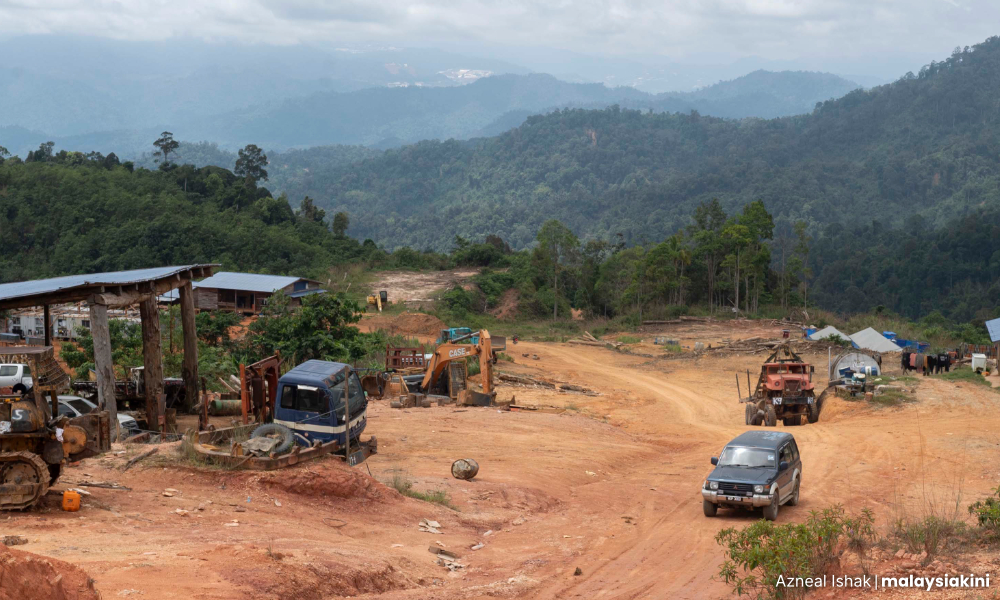
Orang Asli villagers from Kampung Kelaik, Kelantan, claim to have evidence that an iron ore mining company is still operating.
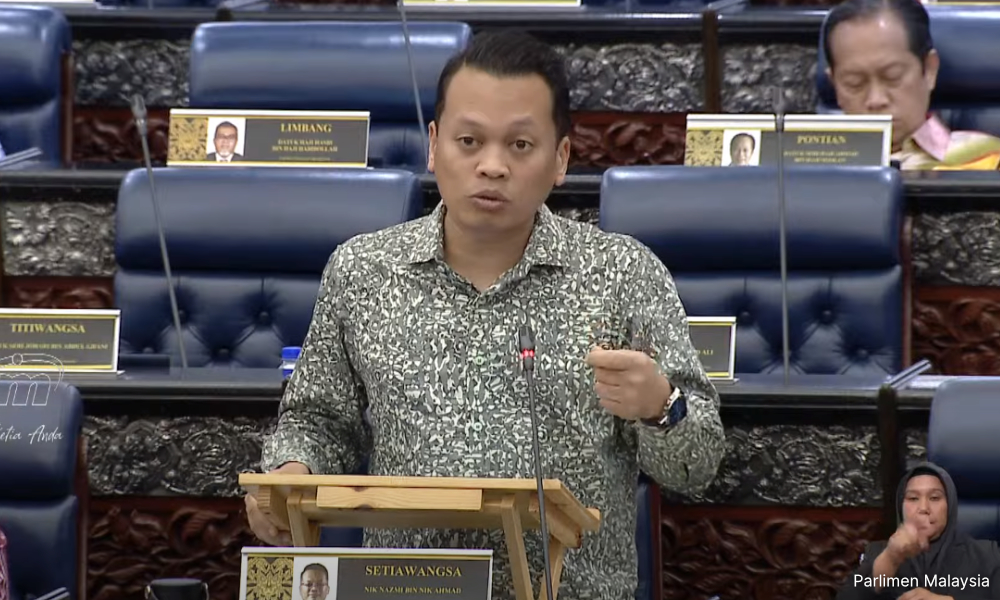
This is despite Natural Resources and Environmental Sustainability Minister Nik Nazmi Nik Ahmad saying on Dec 18 that the mine - operated by Redstar Capital Sdn Bhd - was not in operation.
Summary
Kampung Kelaik Orang Asli file police report after catching an iron ore mining company still in operation despite a stop work order, but the company said it was merely conducting maintenance work.
They also voice concerns about the Health Ministry’s plans to take food samples from them, questioning whether it was aimed at diverting attention away from pollution.
The community also rebuffs the Orang Asli Development Department’s (Jakoa) claim that villagers had not previously raised concerns about mining activities near them.
Orang Asli villagers from Kampung Kelaik, Kelantan, claim to have evidence that an iron ore mining company is still operating.
This is despite Natural Resources and Environmental Sustainability Minister Nik Nazmi Nik Ahmad saying on Dec 18 that the mine - operated by Redstar Capital Sdn Bhd - was not in operation.
Further, Nik Nazmi’s ministry had also ordered a halt to the mining operations in the area.
In a police report filed by Kampung Kelaik Action Committee leader Ahak Uda yesterday, he said that the villagers had found that the Redstar Capital mine was still active on Dec 27 - nine days after the ministry said a stop work order was issued.
They had recorded video evidence of machinery working at the mine.
In a statement today, Ahak questioned whether Nik Nazmi was misled on the matter.
“Is the Kelantan Environment Department (DOE) not monitoring?
“How could Nik Nazmi issue a statement that Redstar Capital had stopped operations when we have video evidence that it is still operating?
“Is the Kelantan DOE in cahoots with the mining company or did the minister get the wrong information?” he asked.
Malaysiakini previously reported that iron ore mining near Kampung Kelaik was believed to have polluted an important water source for the local Orang Asli community.
Blood tests revealed high levels of chromium, a carcinogenic heavy metal, in the blood of one of six villagers who volunteered for testing.
The affected villager, 19-year-old Azlan - who is Ahak's son - has a chromium level that puts his lifetime risk of developing cancer at an estimated 64,000 times higher than normal.
The exposé led to the stop work order as announced on Dec 18.
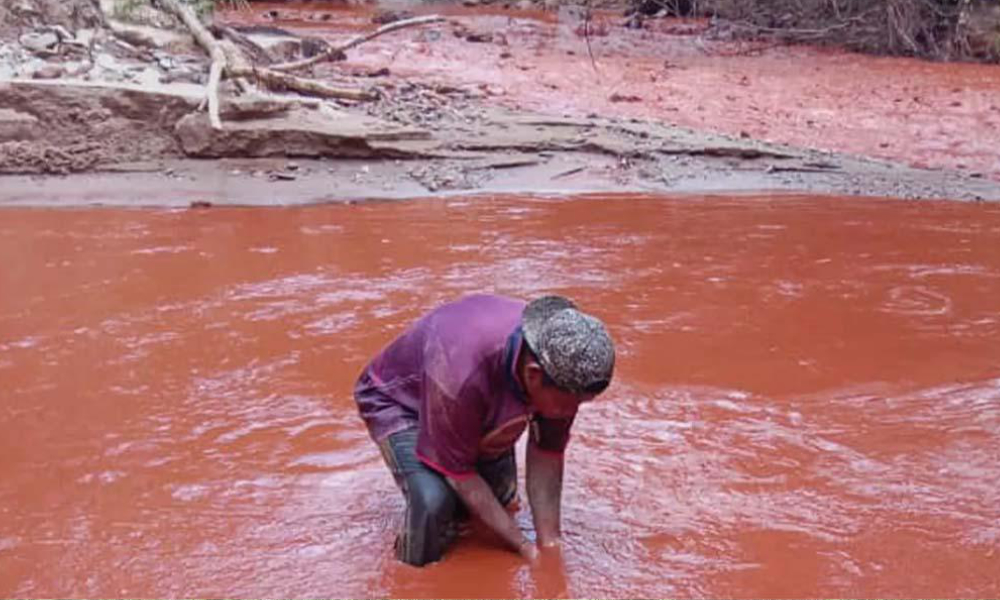
When contacted previously, Redstar Capital said it does not discharge wastewater or effluents into the river and follows all regulations.
The other iron ore miner in the vicinity, Aqua Orion Sdn Bhd - whom Nik Nazmi said was operating without approval - has yet to respond to queries.
In response to the latest complaints, Redstar Capital clarified that they were merely conducting maintenance work at their dam.
‘We don’t trust the Health Ministry’
Ahak in his statement today also criticised the Health Ministry.
This is over a claim by the ministry that samples from water sources used by the Kampung Kelaik were free from heavy metal contamination.
However, villagers said that the water samples, taken from a tandak (reservoir) maintained by the Orang Asli Development Department (Jakoa) were not downstream from the iron mines.
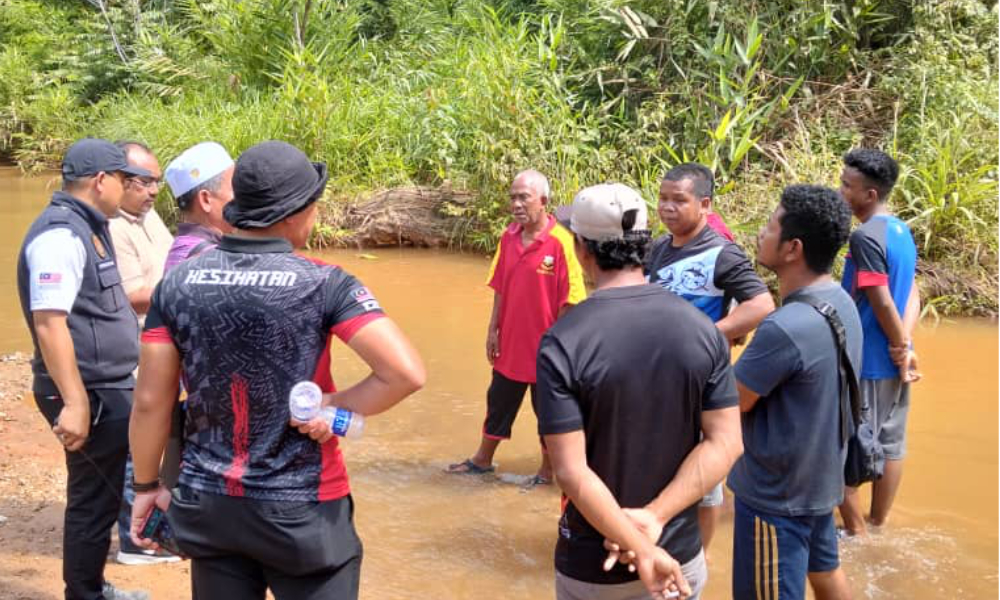
Further, the tandak was often clogged, leaving the “rusty red” rivers as their only source of water.
“There are several technical weaknesses in the sampling method which the Health Ministry did not pay attention to. This matter was explained in the Malaysiakini article,” Ahak said.
“These failures showed weaknesses by the Health Ministry and Jakoa in understanding the way of life and culture of Kampung Kelaik’s Orang Asli. The rivers are our life source,” he added.
Ahak said that villagers are also sceptical of a planned Health Ministry visit to Kampung Kelaik on Jan 15.
Ahak said the health officers planned to take blood and food samples to test for heavy metal toxicity.
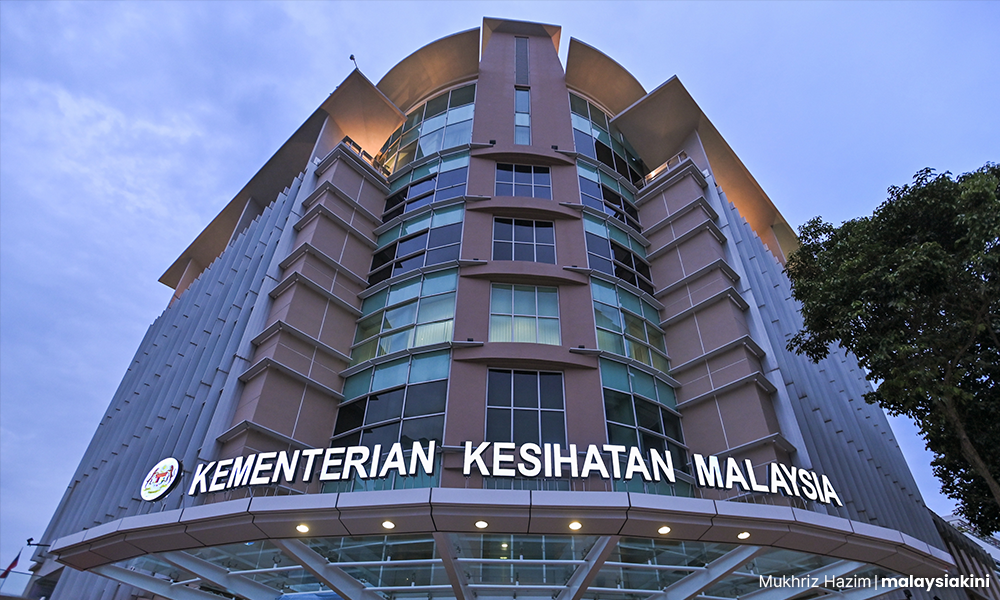
He said the villagers are agreeable to the blood samples being taken but are against having food samples taken by the ministry.
“We are sceptical of the Health Ministry’s intentions.
“Is this an effort to divert Malaysians’ attention from the pollution of the rivers in our village to (focus instead) on our lifestyle and diet as Orang Asli?” the community leader asked.
He cited the deaths of 15 Bateq Orang Asli from the Kampung Kuala Koh in 2019, which was officially attributed to measles, despite concerns about pollution caused by a nearby manganese mine.
“We don't trust the Health Ministry’s reasoning (that they died from measles),” Ahak said.
He said the villagers instead proposed that two teams - one from the ministry and one independent team of the villagers’ choosing - take both blood and food samples to ensure the results were transparent and trustworthy.
‘Jakoa can’t wash their hands off’
On another note, the Kampung Kelaik Action Committee also criticised Jakoa for claiming that villagers had never raised concerns about mining operations and encroachment on ancestral lands.
They said they had written letters about encroachment by mining companies to Jakoa since 2012, besides verbally informing department officers who visited the village.
However, Ahak lamented that most of the documents sent before 2021 had been lost by Jakoa due to technical and trust issues.
But, Ahak said the villagers still had a copy of a 2017 letter by Jakoa supporting Aqua Orion's bid to start mining near Kampung Kelaik, to which the villagers had sent an objection letter in response.
“Jakoa is like the mother and father to the Orang Asli. Jakoa’s responsibility is to safeguard our welfare, health, and security.
“Jakoa can’t wash their hands of responsibility with all sorts of excuses.
“We are willing to face the Jakoa director-general with the media to answer their excuse that we never raised the issue of mining and ancestral land,” he said.
/file/publisher-c1a3f893382d2b2f8a9aa22a654d9c97/2024/12/1984836c64342a821c3a9c3861b523bd.jpg)
/file/publisher-c1a3f893382d2b2f8a9aa22a654d9c97/2024/12/1557787ecceeb9db15de384da4bacb5f.jpg)
/file/publisher-c1a3f893382d2b2f8a9aa22a654d9c97/2024/12/aa51bdd14470e6b3b268504756304a27.jpg)
/file/publisher-c1a3f893382d2b2f8a9aa22a654d9c97/2024/12/e76631b61c0ff5dc39e7e74fe9de35ed.jpg)
/file/publisher-c1a3f893382d2b2f8a9aa22a654d9c97/2024/12/82001b3376482e62dc2a7298fdd72ea5.jpg)


