
Summary

  • The Health Ministry has collected blood samples and conducted health screenings of Orang Asli villagers living downriver from two iron ore mines that were ordered to halt operations mid last month.

  • Villagers estimate at least 60 of them have volunteered their blood, hair and fingernail samples, but remain unsure of the full scope of tests that will be conducted.

  • The 19-year-old villager whose blood tests conducted by Malaysiakini revealed high levels of chromium, was the first to have his samples collected.


The Health Ministry has collected blood samples and conducted health screenings on Kelantan Orang Asli living downriver from two iron ore mines that were ordered to halt their operations mid-last month, pending investigations into potential heavy metal pollution.

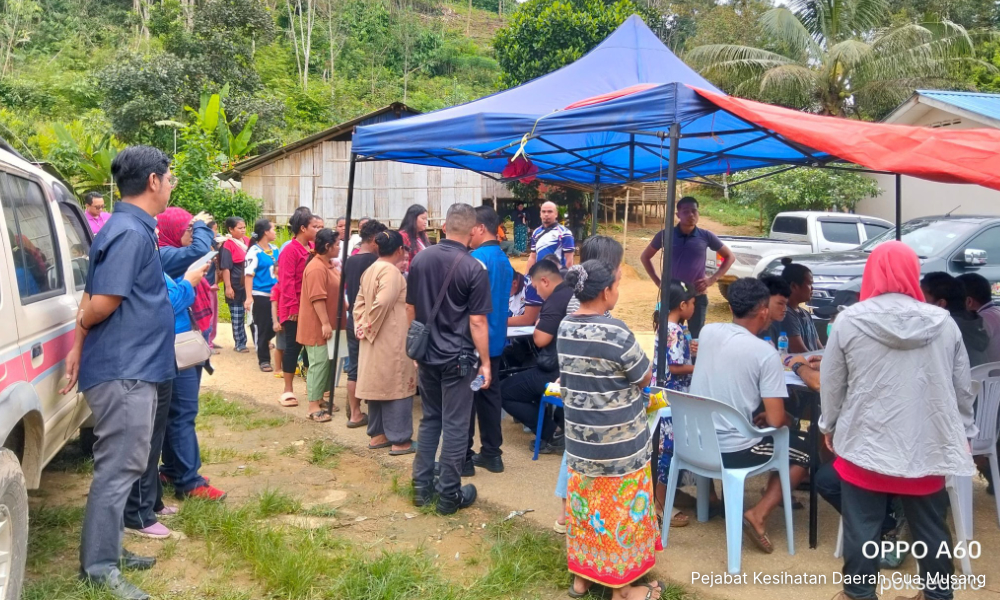
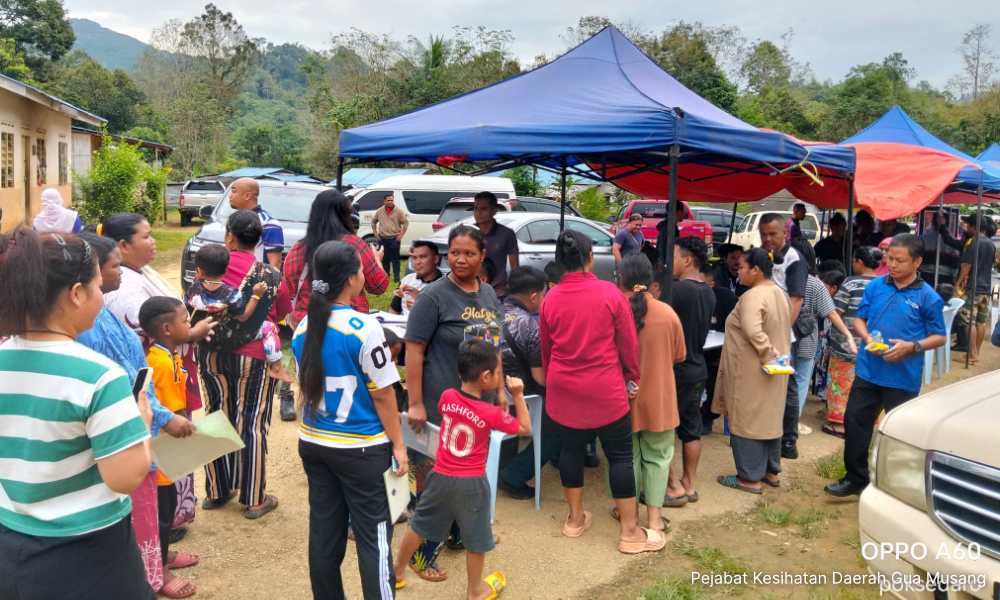
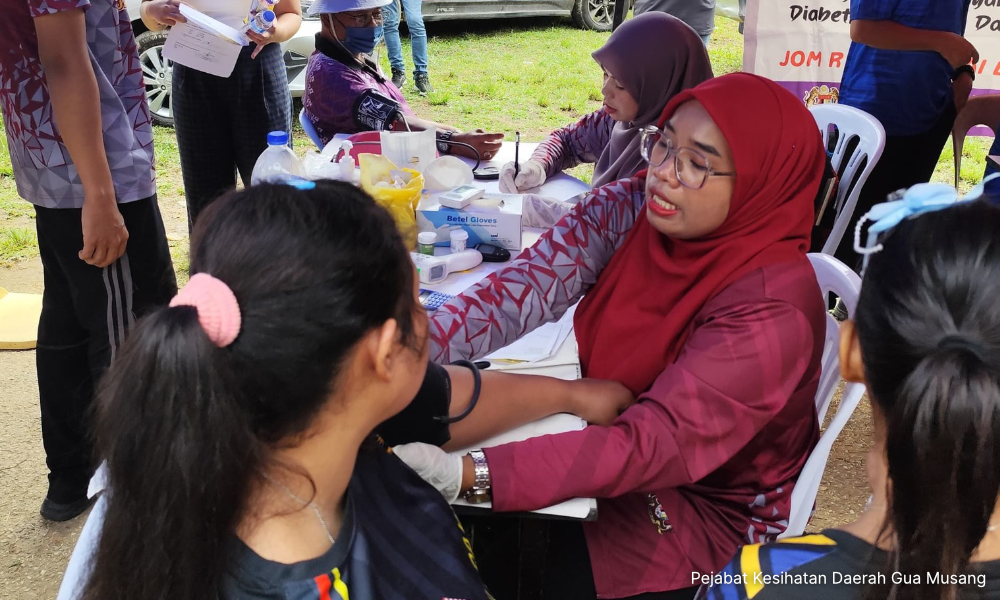
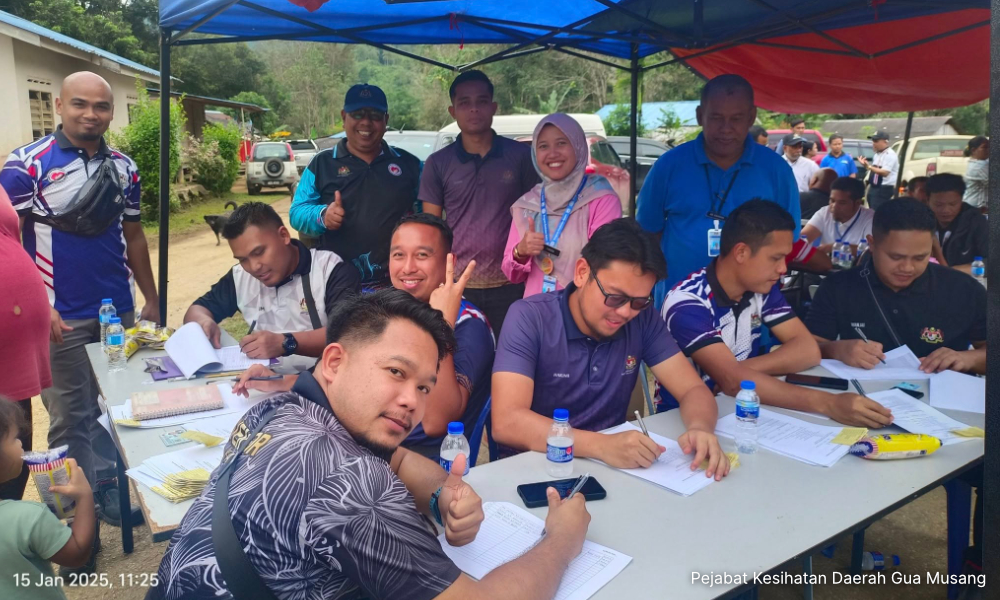
The Gua Musang Health Department posted on its Facebook page that a comprehensive health outreach programme was conducted in Kampung Kelaik, Gua Musang, Kelantan on Wednesday.

Villagers estimated that at least 60 adults, aged 18 years and above, volunteered to provide blood, hair, and fingernail samples, but remain uncertain of the full scope of the tests that will be conducted on these samples.

“They said they will conduct further tests based on the findings from the health screening that day, but we don’t know if they will test for anything else.

“They didn’t take samples from children and the elderly,” said Amino Angah.


READ MORE: Heavy metals found in Kelantan Orang Asli blood, community fear poisoned by mining


Chemical health assessor Vivien How speculates that the ministry is conducting biological monitoring, with hair and fingernail samples indicating chronic exposure to contaminants.

“They could be using different biological specimens to look at both acute (short-term) and chronic (long-term) exposure background of the communities,” she replied in a message and estimated results to return within one to three months.

Ministry clears rivers, no mines

Last month, the Health Ministry tested river water samples from a tandak (mini reservoir) and found it met the standards for arsenic, chromium, ferum and aluminium, although the tandak is not located downriver from the iron ore mines suspected of causing river pollution.

The Orang Asli Development Department (Jakoa) provided the water samples.

The ministry did not reveal if those water samples were tested for bacterial contamination like total coliforms and faecal coliform as a gravity pipe system supplied this water to some Orang Asli homes.

Additionally, it remains unclear if the ministry has subsequently sampled rivers affected by the mining activities or if samples collected now would accurately reflect the situation if the mines were to resume operations.

Although the ministry found the samples from water sources used by Kampung Kelaik to be free from heavy metal contamination, villagers reported the pipes often clogged after a downpour, leaving them without water supply for days, relying instead on the nearby rusty red rivers of Sungai Cenderoh and Sungai Kelaik.

Sample of chromium-positive Orang Asli collected

Officers from the Institute for Medical Research (IMR) collected the samples, starting with 19-year-old Azlan Ahak, whose earlier blood tests conducted by Malaysiakini showed high levels of chromium - a carcinogenic heavy metal.

Azlan had a chromium level that puts him at a lifetime risk of developing cancer at an estimated 64,000 times higher than normal.

In October last year, Azlan was the youngest among six villagers who volunteered his blood to be tested for the heavy metals - iron, chromium, arsenic and aluminium.

How, who reviewed the test results, explained that chromium stays in the body for weeks, if not months, indicating that Azlan’s exposure, at the time, was not long before the test was conducted.

How said that the findings were red flags, warranting immediate investigation by relevant authorities due to their severe health implications.

Azlan Ahak (seated, right)

The findings also meant that out of 100 villagers, six who had the same exposure to chromium as Azlan were likely to have the same fate, the expert estimates.

How also assessed his “non-carcinogenic risk” or hazard quotient (HQ).

HQ measures the risk of developing health issues besides cancer over a lifetime.

“Using Azlan’s exposure data as a reference for the villagers, this suggested a severe risk of developing non-carcinogenic health effects from chromium exposure through prolonged reliance on the river as a water source.

“Potential impacts may include kidney, liver, and respiratory issues over the course of exposure,” she said.

Villagers tested for NCDs

Amino said that, to understand their health risks, they were interviewed on their dietary habits, occupations and pastimes.

Villagers were also tested for non-communicable diseases like diabetes, high blood pressure while clinical and dermatological examinations were conducted by specialists from hospitals in Gua Musang and Kota Bharu.

“They asked us to take off our shirts and examined our skin for lesions and many were issued referral letters to the Sungai Betis clinic which is one hour away from our village.

“Medication was also dispensed on the same day for those who did not require further consultation," said Amino.

Villagers also received dental examinations during which Amino was informed that a tooth extraction was necessary.