


/file/publisher-c1a3f893382d2b2f8a9aa22a654d9c97/2022/03/68fb81c3b95540887c036500c13eb055.jpg)

Nik Nazmi: Improve PKR polls process to boost members' confidence
He said that although this election reflects efforts to modernise the system via e-voting, several issues must be addressed to increase trust among party members.
According to Nik Nazmi, the recent election marked the first time PKR initiated a format change from...
Summary
PKR vice-president Nik Nazmi Nik Ahmad urges for improvements to the party’s election process.
The switch from a one-member-one-vote to a representation-based system, and unexpected voting outcomes, led to dissatisfaction.
Nik Nazmi emphasised the need for fair and transparent party elections.
PKR vice-president Nik Nazmi Nik Ahmad urged for the party’s election process to be improved, particularly after online voting was implemented for the 2025-2028 term election.
He said that although this election reflects efforts to modernise the system via e-voting, several issues must be addressed to increase trust among party members.
According to Nik Nazmi, the recent election marked the first time PKR initiated a format change from the one-member-one-vote system, which has been in place since 2010, to a representation system based on percentages.
“This time, most voting took place online,” he said in an interview with Malaysiakini in Putrajaya on Wednesday.
The natural resources and environmental sustainability minister said this in response to certain parties’ dissatisfaction with the results of the recent branch leadership election.
Discontent has been rising within PKR, particularly among grassroots members, following divisional election results that saw several key allies of PKR deputy president Rafizi Ramli lose, indicating the difficult road ahead for him, as he prepares to defend his position in the central leadership election.
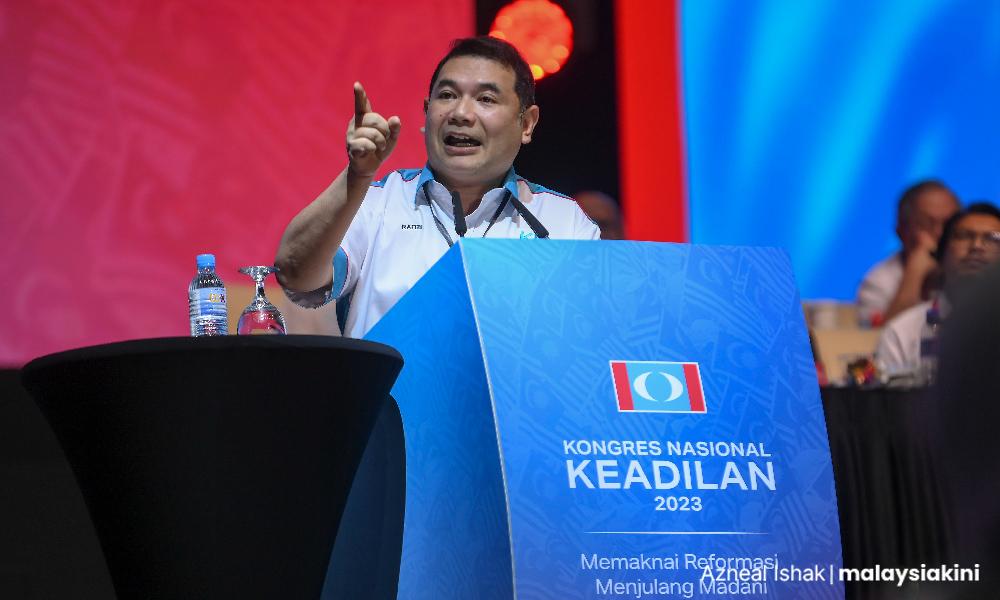
Despite being a prominent national leader and Rafizi ally, Nik Nazmi also lost his position as Setiawangsa branch chief to challenger Afdlin Shauki Aksan, a well-known actor, director, and comedian.
Rafizi’s team then trained their sights on the party’s election committee, chaired by Minister in the Prime Minister’s Department (Federal Territories) Dr Zaliha Mustafa, as being the cause.
PKR subsequently commissioned an external audit firm to examine the election process.
On May 5, PKR secretary-general Fuziah Salleh announced that the party’s central leadership council decided to confirm the contested branch-level election results.
Voting results defied expectations
Elaborating further, Nik Nazmi described this election’s fully digital voting system as a significant departure from the traditional methods used in the 2018 and 2022 elections.
“This time, the majority of members voted online. All candidates felt they had many members who would vote for them, they registered and completed e-KYC (Electronic Know Your Customer) and all,” he said.
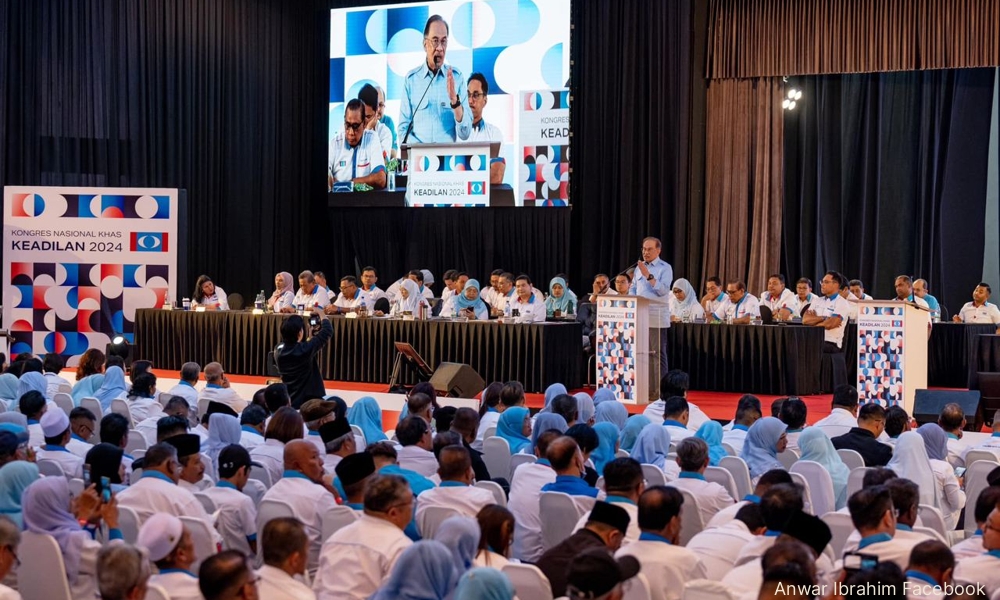
He explained that despite initial confidence, the voting results defied many expectations, adding that these discrepancies raised questions that would require careful examination.
Nik Nazmi said the issues were also raised in a recent central leadership council meeting, in an effort to improve the voting process.
“I don’t want to focus too much on past matters, but we need to improve from what happened during the recent branch elections,” he added.
Commenting further on allegations of misconduct, he emphasised that the party conducted internal audits and also obtained assessments from independent technical experts.
He said that it is up to party members to make their assessment based on the information shared, adding that the focus should be on strengthening the system rather than assigning blame.
He said that if the party frequently advocates for fair and transparent elections, then internal election processes should also reflect the same principles.
“The process needs to be improved and streamlined, so that members are confident and we celebrate democracy. I think this is very, very important,” he added.
In the election scheduled to take place on May 23, Nik Nazmi will defend his position as party vice-president, despite his loss in the Setiawangsa division.
In addition to Nik Nazmi, these 11 candidates have also entered the competition for central leadership positions:
Chang Lih Kang (Science, technology, and innovation minister)
Amirudin Shari (Selangor menteri besar)
Aminuddin Harun (Negeri Sembilan menteri besar)
R Ramanan (Entrepreneur development and cooperatives deputy minister)
Sim Tze Tzin (Bayan Baru MP)
R Yuneswaran (Segamat MP)
Dr Sathia Prakash Nadarajan (Hulu Selangor PKR branch chief)
Abun Sui Anyit (Hulu Rajang PKR branch chief and senate member)
Hee Loy Sian (former Selangor executive councillor)
Mustaffa Kamil Ayub (National Entrepreneurship Institute chairperson)
Manivanan Gowin (Jempol PKR branch chief)
/file/publisher-c1a3f893382d2b2f8a9aa22a654d9c97/2025/05/90f188217944702588e6dd1b8b7521f5.jpg)
/file/publisher-c1a3f893382d2b2f8a9aa22a654d9c97/2025/05/54d89e878b2a9cd0d547c4cb5ddadc76.jpg)
/file/publisher-c1a3f893382d2b2f8a9aa22a654d9c97/2025/05/68f910633d604d95673f9a47378194d2.jpg)
/file/publisher-c1a3f893382d2b2f8a9aa22a654d9c97/2020/07/c07db2e87f23458ed7c469dec2fe43ed.jpg)


Are you sure you want to delete this comment?
This action cannot be undone.