


/file/publisher-c1a3f893382d2b2f8a9aa22a654d9c97/2025/06/c6874ec5b9b8094836e0628ae3cfdd64.png)

SST and health: Nutritionist highlights local fruits to meet daily needs
Amid concerns that the new five percent Sales and Service Tax (SST) on imported fruits could have detrimental health effects, a nutritionist has suggested local options that can affordably provide daily nutritional needs.
According to Lee Zhi Ling, who has gained over 200,000 followers on Instagram by sharing healthy cooking tips that are easily adaptable by the average Malaysian, local fruit varieties can be just as nutrient-dense and beneficial as their imported counterparts.
For example, she said that...
Summary
Nutritionist Lee Zhi Ling says local fruits like papaya, guava, and bananas offer affordable, nutrient-rich alternatives amid the new five percent SST on imported fruits.
She highlights their high vitamin C, fibre, and antioxidant content, sharing tips suited to the average Malaysian diet.
Lee advises mindful fruit intake, especially for diabetics, and urges variety and professional guidance for specific health conditions.
Amid concerns that the new five percent Sales and Service Tax (SST) on imported fruits could have detrimental health effects, a nutritionist has suggested local options that can affordably provide daily nutritional needs.
According to Lee Zhi Ling, who has gained over 200,000 followers on Instagram by sharing healthy cooking tips that are easily adaptable by the average Malaysian, local fruit varieties can be just as nutrient-dense and beneficial as their imported counterparts.
For example, she said that while imported fruits like oranges, berries, and kiwis are high in vitamin C, domestic produce such as papayas and guavas are viable alternatives with similar benefits.
“Our daily vitamin C requirement is 70mg. One slice of papaya (approximately 160g) and a slice of guava (roughly 110g) provide, respectively, 113 mg and 168mg of vitamin C,” Lee (above) told Malaysiakini.
“Guava is also a great source of fibre (as) one slice has around 7.5g of fibre, which is around 38 percent of the recommended daily fibre intake,” she added, noting that guava can replace imported pears in terms of their fibre content.
She also said that other local fruits such as watermelon, starfruit, rose apple (jambu air), and pineapples are naturally hydrating and great at beating the heat, ever present in Malaysia’s warm weather.
“We also have locally grown dragon fruits and passion fruits that are packed with antioxidants like betalains and polyphenols,” added the graduate from Universiti Putra Malaysia with a Bachelor of Science (Nutrition in Community Health) and Master of Science (Community Nutrition).
Seek advice
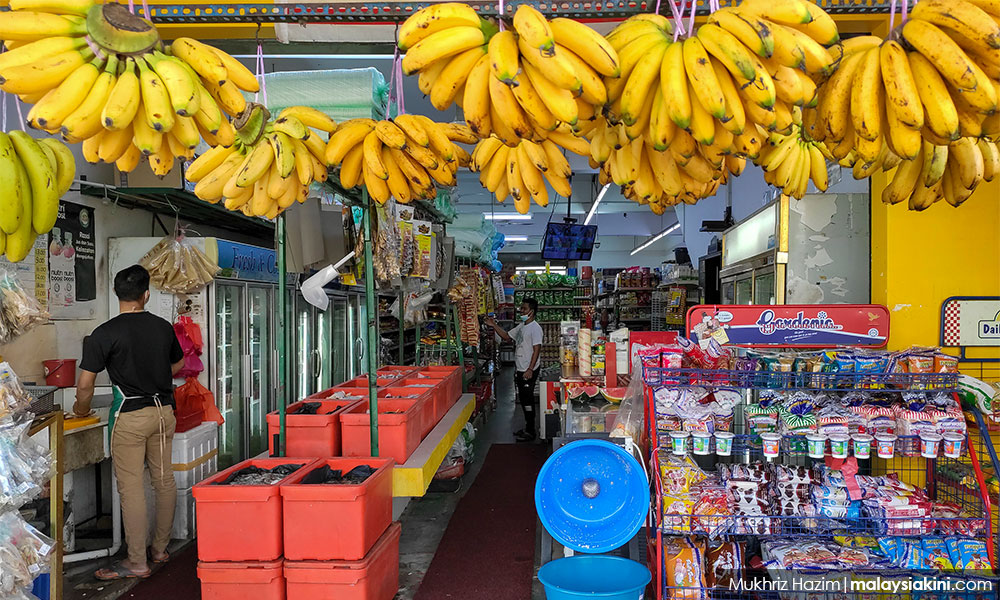
She pointed out that local bananas - including pisang berangan, pisang mas, and pisang rasta - are packed with potassium, vitamin B6, and natural energy, making them suitable as a breakfast component or pre/post-workout snack.
Lee shared that adults are recommended to have two servings of fruits per day and stressed that it is vital to monitor the serving sizes for fruits, especially for individuals with diabetes or insulin resistance.
Cautioning that overeating fruits might not be ideal if a person is trying to control their blood sugar, she also advocated for diets to include a variety of fruits to ensure well-balanced meals, which are key to health.
“Please seek advice from your dietitian if you have a medical condition or are taking medication that requires you to avoid consuming certain fruits,” she added.
Concerns over SST
Previously, consumer groups told Malaysiakini that the new SST rate for imported fruits, set to come into effect on July 1, could reduce access to essential nutrients, disproportionately affecting lower-income Malaysians.
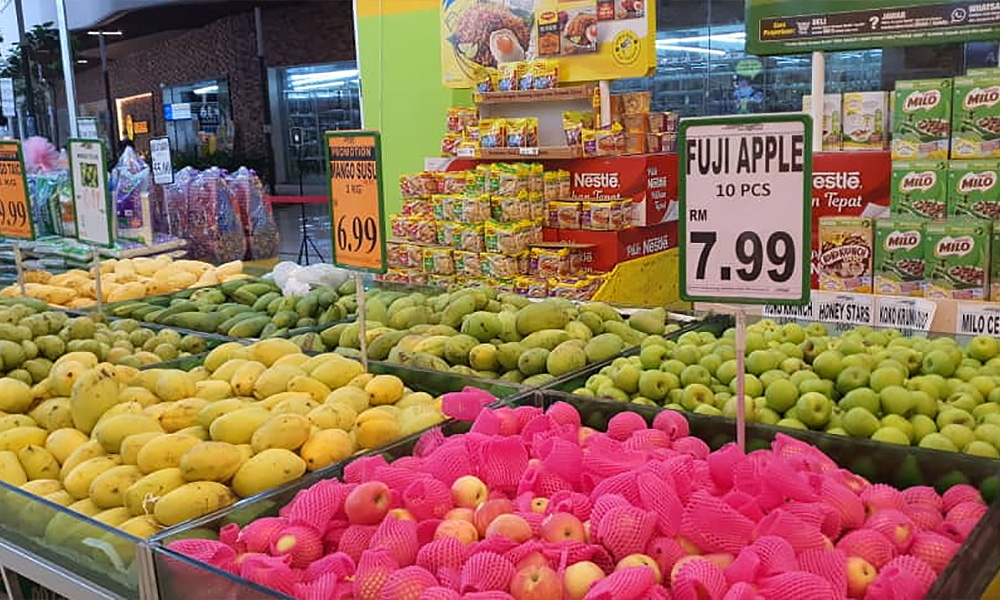
While local fruits remain tax-exempt, the groups also raised concerns about potential supply shortages and possible price hikes.
Critics have also urged the government to boost local fruit production before the tax rollout to avoid unintended health consequences.
In defending the tax on imported fruits, Finance Ministry Treasury secretary-general Johan Mahmood Merican told Malaysiakini that Malaysia already produces sufficient local alternatives that remain exempt from the levy.
Imported fruits, he said, are considered "discretionary expenditures" as consumers have viable local options.
In addition to imported fruits, a five percent sales tax will be levied on other products deemed “non-essential”, such as king crab, salmon, cod, truffle mushrooms, essential oils, silk fabrics, and industrial machinery.
/file/publisher-c1a3f893382d2b2f8a9aa22a654d9c97/2021/03/46038faf8ec70fd6a83a0c0e2651e018.jpg)
/file/publisher-c1a3f893382d2b2f8a9aa22a654d9c97/2025/06/1af416738a12c1c7469a15340c09c4af.jpg)
/file/publisher-c1a3f893382d2b2f8a9aa22a654d9c97/2023/02/5338b7a8281c3ee7dd0d779cbc85d90f.jpg)
/file/publisher-c1a3f893382d2b2f8a9aa22a654d9c97/2021/03/67947da6657bd5bae8bcd9cf3ecef27c.jpg)
/file/publisher-c1a3f893382d2b2f8a9aa22a654d9c97/2025/06/7642fcb47775b028f581fdfc8aea4b14.jpg)
/file/publisher-c1a3f893382d2b2f8a9aa22a654d9c97/2025/06/270b763924d11bd017ccfd6668d04ef9.jpg)
/file/publisher-c1a3f893382d2b2f8a9aa22a654d9c97/2025/06/92acb1c0e0f1571cca8ecc48e3abb978.jpg)


Report this comment
Are you sure you want to delete this comment?
This action cannot be undone.