


/file/publisher-c1a3f893382d2b2f8a9aa22a654d9c97/2025/07/b208c6bb9d614ec74777dfbc0fb7cb41.jpg)

Orang Asli students defend 'Sakai' term as key to land rights protection
Orang Asli students have pushed back against growing calls to ban the word “Sakai”, saying that the term carries significant legal meaning in court, official documents, and national policy.
Persatuan Mahasiswa Orang Asli (PMOA) warned that removing the term “Sakai” from legal and official use could severely impact the Orang Asli community’s land rights.
Summary
Orang Asli student association says the controversy over the use of the term “Sakai” risks diverting attention from urgent reforms to Act 134 and long-standing land rights issues.
The group argues the term holds legal weight in court cases, official documents, and national policy, including “Sakai Reserve Land” classifications.
It calls for meaningful consultation with all 864 Orang Asli villages, warning that rushed law amendments without proper consent amount to paternalism.
Orang Asli students have pushed back against growing calls to ban the word “Sakai”, saying that the term carries significant legal meaning in court, official documents, and national policy.
Persatuan Mahasiswa Orang Asli (PMOA) warned that removing “Sakai” from legal and official use could severely impact the Orang Asli community’s land rights.
PMOA president Shereen Ajani argued that the renewed controversy surrounding the term serves as a potential distraction, or even a deliberate ruse, to divert attention from more urgent matters, especially the looming amendments to the Aboriginal Peoples Act 1954 (Act 134).
Instead, PMOA urged Orang Asli organisations to join them in reclaiming the word through its #ProudSakai campaign, a bold effort to redefine “Sakai” as a symbol of legal identity, resilience, and cultural pride.
“It represents a grassroots affirmation of identity and an effort to reclaim a term that has long been used mockingly by outsiders,” Shereen said.
PMOA was responding to a scathing statement issued by a coalition of organisations and individuals condemning the use of the term “sakai” against the Orang Asli community last week.
The group had also called for its immediate cessation and demanded accountability for what they describe as a deeply offensive and historically loaded slur when a non-indigenous netizen derogatorily referred to a Dewan Rakyat deputy speaker Ramli Nor, as "Sakai" with "mental capacity like Tarzan".
Ramli said the word “sakai” is very sensitive to the Orang Asli community, especially for the Semai tribe, where it means “slave”, adding that it was not the first time Orang Asli were subject to such abuse.
‘Sakai’ a legal term
PMOA said the word “Sakai” remains part of Malaysia’s legal history and is still referenced in court rulings to substantiate customary land claims.
It said this can be seen in landmark cases such as Sagong Tasi & Ors v Selangor State Government & Ors, Pam Yeek v Perak State Government & Ors, and Director of Lands and Galian Johor & Anor v Khalip bin Bachik & Anor.
According to Shereen, the term “Tanah Rizab Sakai” (Sakai Reserve Land) is still mentioned in state assemblies and Parliament, and some individuals remain officially registered as “Sakai” by the National Registration Department.
She cautioned that removing the word “Sakai” could weaken or nullify legal protections over Orang Asli ancestral lands.
Shereen said “Sakai” serves as historical evidence of early indigenous communities and remains in legal documents and court records.
She believes that abolishing the term could undermine existing land rights and result in the loss of Sakai Reserve Land.
‘Jakun’ and ‘Sakai’ in recent policy
In 2013, then prime minister Najib Abdul Razak explicitly included the terms “Jakun and Sakai Asli” as groups falling under the definition of "Melayu" (Malay), signalling historical recognition within the broader bumiputera identity.
His speech delivered during the launch of the Bumiputera Economic Empowerment Agenda could be viewed as a matter of policy due to its official nature and direct implications for government programmes, classification systems, and overall governmental direction.
While Act 134 does not specifically define "Sakai" as an identity or ethnic group, it establishes "aboriginal areas" and "aboriginal reserves".
The continued use of terms like "Sakai Reserve Land" in state and parliamentary discussions, as Shereen noted, underscored the term's persistent presence in administrative and legal contexts, serving as a tangible link to historical land rights for the Orang Asli.
Danger of rushed amendments
Shereen, a Temuan youth from Bukit Lanjan, Selangor, also raised alarm over the government’s plan to finalise amendments to Act 134 by September and table them in Parliament by March 2026.
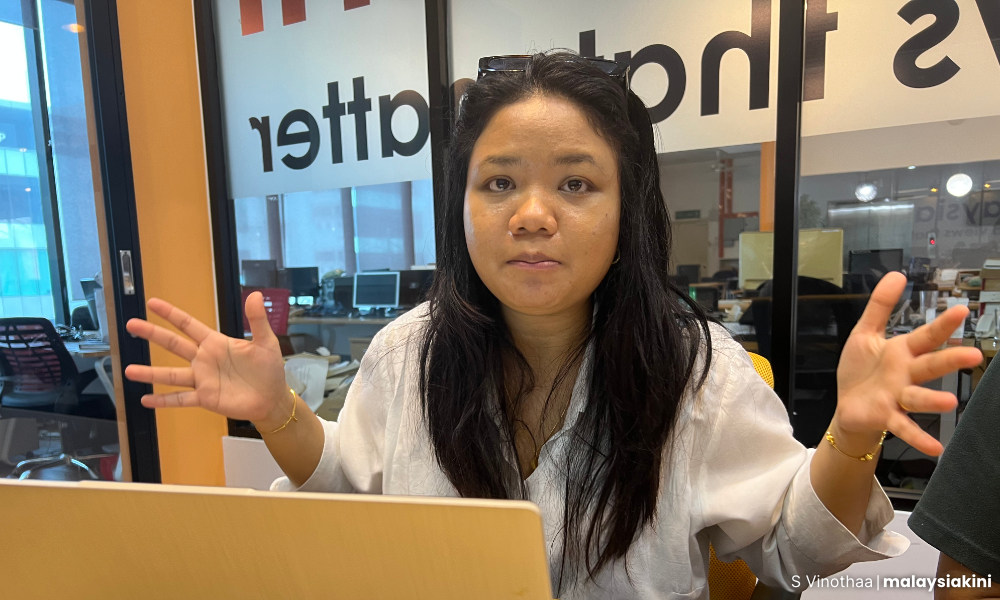
She argues the timeline is too rushed, given the large number of Orang Asli villages - 864 - that must be consulted.
Citing red flags in the consultation process, Shereen said her organisation has offered to assist the government in reaching out to communities through its 244 members, comprising Form Six students and graduates.
“Jakoa (Orang Asli Development Department) has accompanied legal officials to Orang Asli settlements to conduct surveys with more than 20 questions, but they haven’t covered all villages,” she said.
She also pointed to an omission in the official ethnic list used during the consultations, noting that the Temoq community in Pahang was excluded despite being recognised in a recent court settlement over a nearly 300ha land dispute.
“That kind of oversight is worrying,” she added.
Shereen said PMOA members could act as government ambassadors to help explain the proposed legal changes and their implications.
This is because the youth are better equipped to understand and translate legal concepts into accessible information for rural communities, she explained.
PMOA also expressed broader concerns about the integrity of the amendment process, questioning whether the government had truly secured free, prior, and informed consent from all affected villages.
It warned that if the process continues without meaningful, inclusive consultation, it risks becoming an act of paternalism rather than genuine reform, further sidelining Orang Asli voices.
“We want to bring the focus back to the real issues,” Shereen said, stressing the need for transparent, community-driven dialogue.
/file/publisher-c1a3f893382d2b2f8a9aa22a654d9c97/2024/07/4828a9d456854e15706b9f5a2050a605.jpg)
/file/publisher-c1a3f893382d2b2f8a9aa22a654d9c97/2023/08/a694f6b8f3b13a0e38f275f8551b3314.jpg)



Are you sure you want to delete this comment?
This action cannot be undone.