


/file/publisher-c1a3f893382d2b2f8a9aa22a654d9c97/2019/07/3eb16e45370c53eff358a2b0542218b5.jpg)

Guan Eng urges govt to halt electricity, SST hikes amid US retaliation
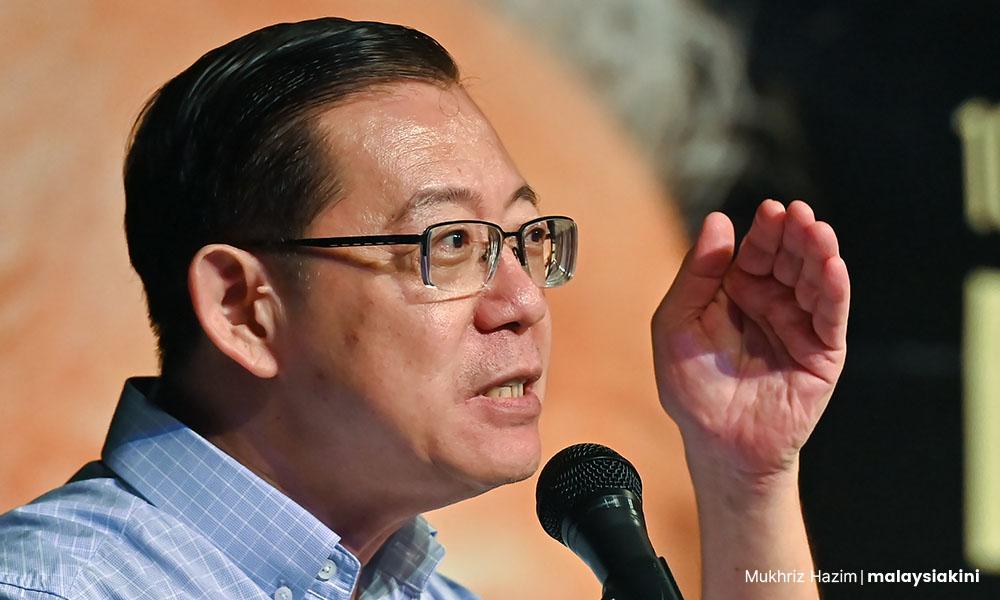
DAP national adviser Lim Guan Eng has urged the government to pause the expansion of the sales and service tax (SST) scope and the hike in electricity tariffs in light of the 25 percent retaliatory tariffs imposed by the United States on Malaysian exports.
Asserting that Malaysia’s economy could be strengthened further if the government can halt all hikes in electricity charges and SST expansions, the former finance minister highlighted that few countries have imposed such measures on their people during a “tariff war”.
“When these matters are discussed with top government leaders and government MPs next week, hopefully the government can allow a freeze or pause in such increased utilities charges and (broadened base for) SST until the resolution of the ‘tariff war’,” he said in a statement today.
Summary
Guan Eng urges the government to freeze electricity tariff and SST hikes following the US’ 25 percent retaliatory tariffs on Malaysian exports.
Former finance minister says hikes risk worsening the economic burden on households and businesses already facing high living costs.
Fellow DAP lawmaker Lip Eng warns the electricity hike could trigger public distrust in the government, especially among middle-income groups and micro-entrepreneurs.
DAP national adviser Lim Guan Eng has urged the government to pause the expansion of the sales and service tax (SST) scope and the hike in electricity tariffs in light of the 25 percent retaliatory tariffs imposed by the United States on Malaysian exports.
Asserting that Malaysia’s economy could be strengthened further if the government can halt all hikes in electricity charges and SST expansions, the former finance minister highlighted that few countries have imposed such measures on their people during a “tariff war”.
“When these matters are discussed with top government leaders and government MPs next week, hopefully the government can allow a freeze or pause in such increased utilities charges and (broadened base for) SST until the resolution of the ‘tariff war’,” he said in a statement today.
Pointing to Bank Negara Malaysia’s reduction of the overnight policy rate (OPR) by 25 basis points on July 9, the Bagan MP said the news plays in the favour of businesses and households grappling with rising costs and increased taxes.
“The reality on the ground is that many businesses and households continue to complain about rising prices and cost of living, with insufficient living wages to meet daily expenses, including loan payments,” he noted.
Guan Eng highlighted BNM’s remarks that the balance of risks to growth outlook remains tilted to the downside, stemming mainly from a slower global trade, weaker sentiment, as well as lower-than-expected commodity production.
The OPR reduction, he said, is needed to put the domestic economy on a strong footing, following uncertainties surrounding “external developments” that could affect Malaysia’s growth prospects.
“Clearly, the uncertainties surrounding external developments that BNM is referring to pertain to the 25 percent (retaliatory tariff) imposed by the US and expected to come into effect on Aug 1.
“No one would disagree that the reduction in the OPR (is) a pre-emptive measure to preserve Malaysia’s steady growth path amid moderate inflation prospects,” Guan Eng added.
On July 8, the US announced a blanket 25 percent tariff on all Malaysian products exported to the country, separate from existing sectoral tariffs. This is one percent higher than the tariff announced in April.
Investment, Trade and Industry Minister Tengku Zafrul Abdul Aziz has since stressed that the policy is yet to take effect until Aug 1, and that the government will continue negotiations.
Public discontent
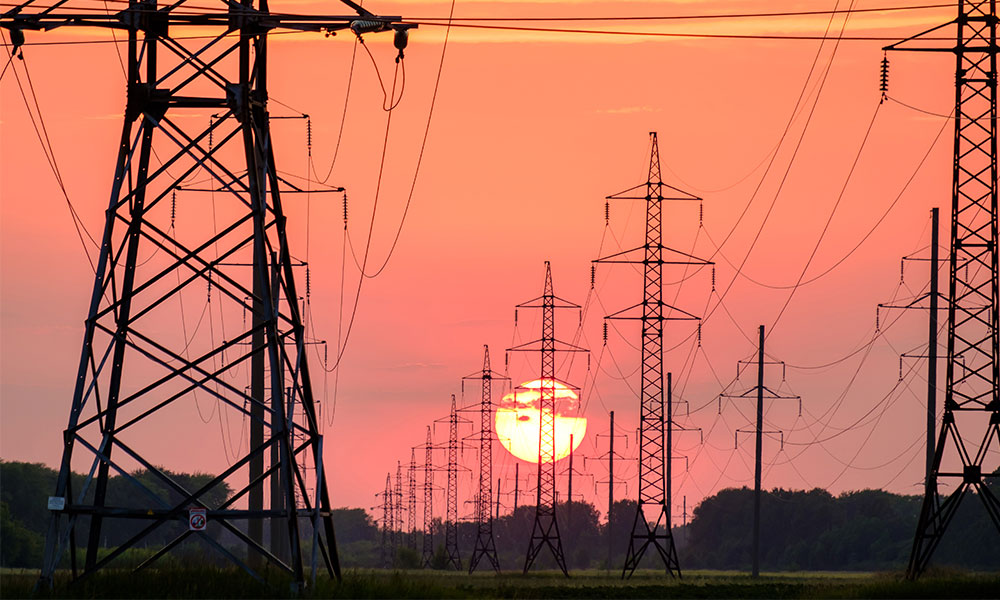
Fellow DAP lawmaker Lim Lip Eng warned that Tenaga Nasional Berhad’s (TNB) hiked electricity tariff rates could spark public discontent with the government if the matter is not addressed with greater sensitivity and responsibility.
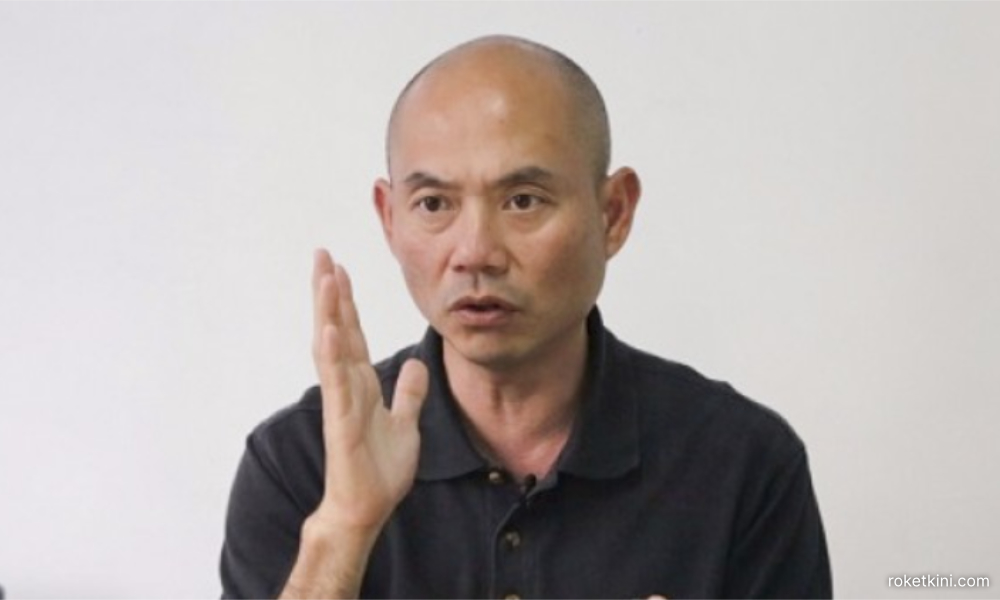
Lip Eng, who is Kepong MP, highlighted that the tariff hike, which came into effect on July 1, came at a time when the costs of living are on the rise.
The issue is further compounded by how the tariff increase is likely to detrimentally affect middle-class domestic users as well as smaller businesses, he added.
“This move is not only ill-timed, but also reveals a careless attitude and a disconnect from the real struggles faced by ordinary Malaysians.
“(Middle-class domestic users) do not receive full subsidies like the B40 group, yet are also unable to absorb the additional costs without it affecting their daily spending,” he said.
Urging the government to re-evaluate the implementation of the new tariff, Lip Eng called for the consideration of special mechanisms to assist those most affected, especially the middle class and micro-enterprises.
“Do not let electricity tariffs become the starting point for public distrust in the government they chose,” he cautioned.
He asserted that young families who have just bought homes, factory workers renting shared air-conditioned rooms, as well as small traders like tailors and hawkers who rely on electricity for their livelihoods, are now facing sharp increases in their monthly bills.
Inflated bills
Lip Eng noted that the inflated bills come despite the fact that consumers are using electricity for basic necessities, not for luxury.
“More worryingly, many consumers were caught off guard when they received bills under the new rates with little to no explanation.
“The billing mechanism is not understood, and the myTNB app often encounters technical issues. This raises the question of whether TNB was truly ready to implement such a major change,” he added.
Lip Eng insisted that the people deserve transparent information, a stable system and policies rooted in the realities of everyday life.
TNB’s new electricity tariff rates saw its base tariff increasing from 39.95 sen per kWh to 45.4 sen.
The Energy Commission previously said households using less than 1,000 kWh will be spared from price hikes as part of an "energy efficiency incentive".
The electricity bills from this month onwards are also expected to display itemised billing, providing users with detailed breakdowns of all charges.
/file/publisher-c1a3f893382d2b2f8a9aa22a654d9c97/2025/06/cc188626d3ddf2d8771e0a26d21f9043.png)
/file/publisher-c1a3f893382d2b2f8a9aa22a654d9c97/2024/10/9e0ad98a9f86cfcdd969b44ca88f054a.jpg)
/file/publisher-c1a3f893382d2b2f8a9aa22a654d9c97/2025/06/57de7f437fdca9eeed2c53c12151e8a7.jpg)
/file/publisher-c1a3f893382d2b2f8a9aa22a654d9c97/2021/07/6dc88843afc8617ff248b0bbce72811c.jpg)
/file/publisher-c1a3f893382d2b2f8a9aa22a654d9c97/2022/07/72b4e4d297cb68d2741e95332b986c0c.jpg)
/file/publisher-c1a3f893382d2b2f8a9aa22a654d9c97/2024/11/ce7278f639ac5bd9a4eef26c9827394f.jpg)


Report this comment
Are you sure you want to delete this comment?
This action cannot be undone.