


Apologise for 'no migrant minimum wage' call, group tells Guan Eng
A migrant rights group has urged DAP adviser Lim Guan Eng to apologise over his remarks that existing migrant workers need not be included in the minimum wage policy or Employees Provident Fund (EPF) contributions.
Tenaganita called the statement Lim made in Parliament “outrageous” and “irresponsible”.
“This is not just tone-deaf, it reinforces the dehumanisation of migrant labour, legitimises exploitative employment practices, and fundamentally betrays the principles of justice and equality,” its executive director Glorene Das told Malaysiakini.
In his debate on the 13th Malaysia Plan (13MP), Lim yesterday claimed that Malaysia is not bound by any United Nations or International Labour Organisation (ILO) conventions, and therefore it need not impose a RM1,700 minimum wage or two percent EPF contribution on migrant workers already in employment.
The Bagan MP had said the wage floor and EPF contribution should only apply to new foreign hires, as employers had engaged existing workers under different terms, prompting outrage from various stakeholders.
Glorene, however, reminded that migrant workers are essential to Malaysia’s economy, particularly in sectors such as construction, manufacturing, plantations, food processing and cleaning.
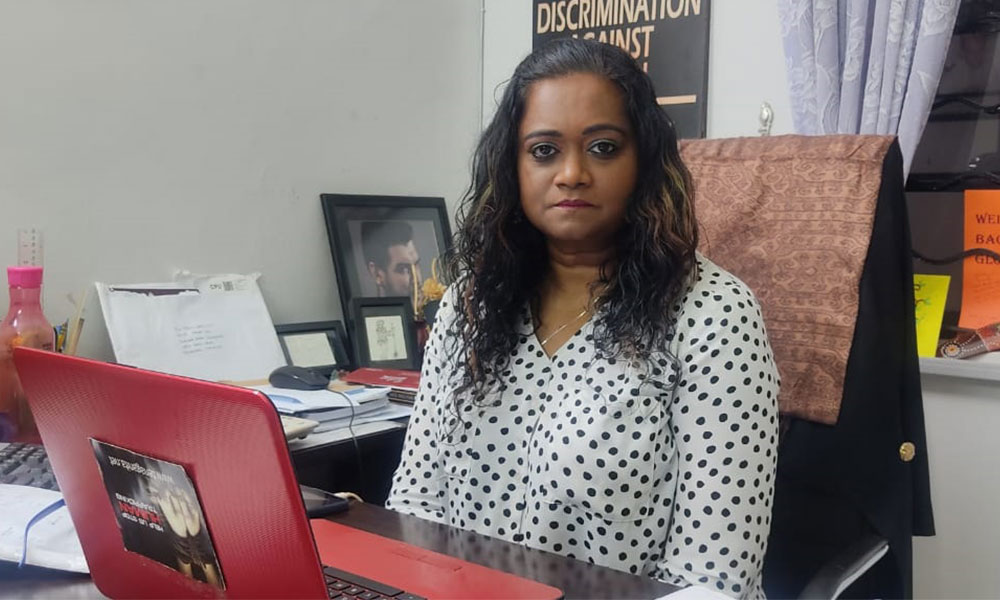
She also cited Tenaganita's decades of work with migrants, grounded in documented cases, which showed widespread issues including wage theft, unpaid overtime, and hazardous working conditions.
“Minimum wage is not a luxury. It is the bare minimum protection against structural exploitation.
“To deny migrant workers EPF is to rob them of dignity in retirement and strip them of the right to long-term security, while employers and corporations continue to profit off their labour,” she stressed.
In February, Tenaganita mooted a tiered EPF contribution rate for migrant workers, rather than the proposed 2 percent which is down from an initial 12 percent first announced under Budget 2025.
Worse for women migrants
Further, Glorene highlighted the particular vulnerabilities faced by migrant women in factories, agriculture and the food sector, where exploitation is compounded by gender-based discrimination, sexual harassment and unequal pay.
“To deny them the minimum wage is to perpetuate gendered economic violence,” she said, adding that such exclusion fuels a capitalist mindset of profit over people.
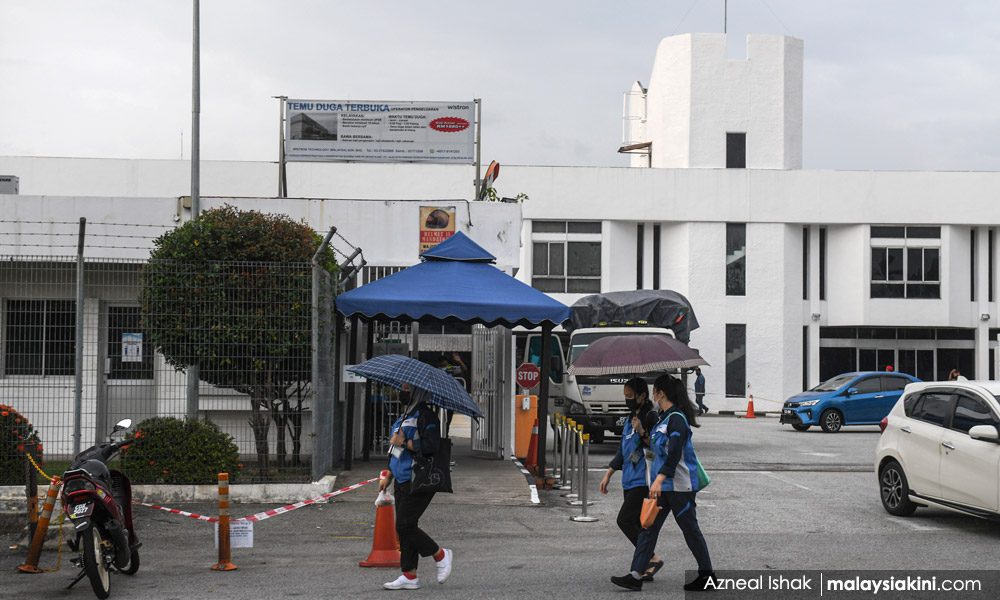
Glorene also reiterated Tenaganita's long-standing demand for stronger enforcement of labour laws and penalties against employers who underpay or withhold wages.
Malaysia, as an ILO member, has ratified eight out of 10 fundamental conventions, including one on “equal remuneration”.
The 1951 convention states protection against wage discrimination based on sex, while at least three other conventions ratified by Malaysia provided broader protections for all workers regardless of nationality.




Report this comment
Are you sure you want to delete this comment?
This action cannot be undone.