


/file/publisher-c1a3f893382d2b2f8a9aa22a654d9c97/2024/12/5b0120297a4bb60d640752e470eee0f9.jpg)

Sabah mulls free tertiary education, loan subsidy policy
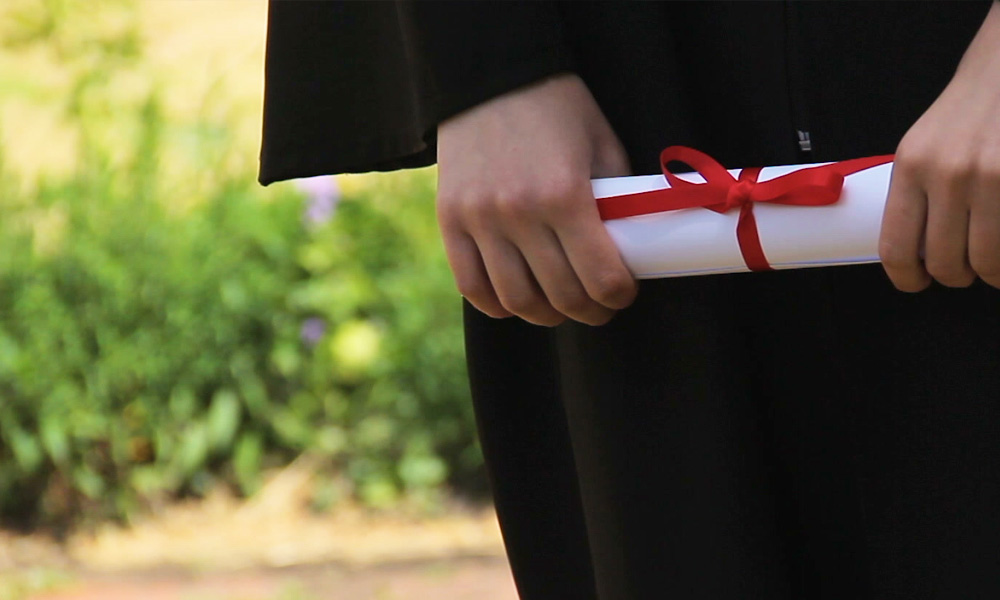
Chief Minister Hajiji Noor today announced that the Sabah government is considering providing free education for local students who further their studies at state-owned higher learning institutions, namely University College Yayasan Sabah (UCSF) and Kolej Teknologi Yayasan Sabah (KTYS).
He said the state also plans to introduce a loan subsidy policy, particularly for National Higher Education Fund (PTPTN) and Yayasan Sabah loans, to ease the financial burden on students.
Summary
Sabah is considering providing free education for local students who further their studies at state-owned higher learning institutions, says CM Hajiji Noor.
Education and human capital development have been central to the administration since 2021, with over RM1.3 billion allocated, adds Hajiji.
Chief Minister Hajiji Noor today announced that the Sabah government is considering providing free education for local students who further their studies at state-owned higher learning institutions, namely University College Yayasan Sabah (UCSF) and Kolej Teknologi Yayasan Sabah (KTYS).
He said the state also plans to introduce a loan subsidy policy, particularly for National Higher Education Fund (PTPTN) and Yayasan Sabah loans, to ease the financial burden on students.
“This initiative will benefit over 100,000 borrowers. I am optimistic that this policy is practical for the state government to implement in line with our financial position moving forward.
“This proves the determination of the Gabungan Rakyat Sabah (GRS) government to ensure more Sabahan students are supported while guaranteeing access to education,” Hajiji said when officiating the Sabah Students’ Convention at the KDCA Hall in Penampang.
Record spending on education
Hajiji said education and human capital development have been central to his administration since 2021, with over RM1.3 billion allocated - the largest amount in Sabah’s history.
“Among more than 14 education initiatives introduced were a one-off RM600 aid for Sabahan students studying in Peninsular Malaysia, Sarawak, and Labuan under the GRS-SubFly programme, as well as RM300 under the Sentosa initiative for those studying locally.
“The state also allocated its highest-ever scholarship fund of RM136 million in 2025, benefiting thousands of students, while also establishing the Sabah State Education Fund (TPNS) to assist students facing financial challenges,” he said.
He attributed the measures to improved state revenue, which climbed to nearly RM7 billion last year.
Hajiji said the state also prioritises welfare, citing free Rumah Mesra housing for poor households and the Sentuhan Kasih Rakyat (Syukur) initiative - a monthly RM300 cash aid for 12 months to 100,000 recipients beginning this year.
He expressed confidence that Sabahans, particularly the 970,000 young voters, would make wise choices in the upcoming 17th Sabah state election.
“The state election is crucial as it will determine the continuity of Sabah’s development under GRS. The future of Sabah is in your hands. Don’t waste this opportunity. Sabah cannot afford to be left behind any longer. We have great potential to become a developed and successful state. Now is the time,” he said.
Call for continuity
The chief minister said GRS had proven its capability with records of achievement in education, the economy, welfare, investment, and revenue management.
“Make the best choice - one that ensures continuity in development, political stability and the people’s well-being. This state election is our golden opportunity to choose a strong government, most importantly one dominated by local parties.
“Let us not repeat past mistakes where calls for change ended up stalling Sabah’s growth. Many development projects were abandoned due to weak and unplanned policies, and in the end, we were the ones who suffered,” he said.

Hajiji added that Sabah recorded the third-highest investment inflows in Malaysia in the first quarter of 2025, creating more jobs, especially for youth.
“Latest statistics show our unemployment rate dropped from 8.2 percent in 2020 to 6.2 percent in the second quarter of 2025. This is not just numbers - it reflects real opportunities, as more young Sabahans now have access to stable, well-paying jobs,” he said.
On resolutions passed at the convention, attended by 1,000 students, Hajiji urged that they be submitted to the state government promptly for consideration.
/file/publisher-c1a3f893382d2b2f8a9aa22a654d9c97/2025/09/d3a3b1110e7274da5b08263699c10185.jpg)
/file/publisher-c1a3f893382d2b2f8a9aa22a654d9c97/2023/01/2cf8b194f7bd5305424f71aae4354b57.jpg)
/file/publisher-c1a3f893382d2b2f8a9aa22a654d9c97/2025/09/003640ca4a23f38a42205cbfb41378d1.jpg)
/file/publisher-c1a3f893382d2b2f8a9aa22a654d9c97/2024/12/76bfba80076fcace30d19cf51688a082.jpg)
/file/publisher-c1a3f893382d2b2f8a9aa22a654d9c97/2023/07/de378fd4fc43c26f0df2809a925f5d8b.jpg)
/file/publisher-c1a3f893382d2b2f8a9aa22a654d9c97/2025/09/04ba787d629f40dca2873949384f57c3.jpg)


Are you sure you want to delete this comment?
This action cannot be undone.