


/file/publisher-c1a3f893382d2b2f8a9aa22a654d9c97/2025/10/10e694973e1fbc5dc6dad142cf469d08.jpg)

Bersatu MP wants more co-curricular focus in university admissions
PARLIAMENT | Bersatu MP Saifuddin Abdullah (PN-Indera Mahkota) has urged for more emphasis to be placed on co-curricular activities as part of the university admissions process.
This includes abolishing the National Service Programme in favour of including similar activities under the secondary school co-curricular syllabus instead.
PARLIAMENT | Bersatu MP Saifuddin Abdullah (PN-Indera Mahkota) has urged for more emphasis to be placed on co-curricular activities as part of the university admissions process.
This includes abolishing the National Service Programme in favour of including similar activities under the secondary school co-curricular syllabus instead.
In the Budget 2026 debate in Parliament today, the lawmaker addressed how the government’s allocation for education (RM66.2 billion) and higher education (RM18.6 billion) should allow for such reforms to take place, including significantly reforming the UPU university admissions system.
The former minister suggested that the weightage for co-curricular assessments in university admissions should be increased from 10 percent to 30 percent to adopt a more holistic and inclusive approach.
“Assessments should not just be academic, so this is where I am repeating the calls to abolish the National Service Programme altogether. Because these programmes can be done in schools through co-curricular activities instead,” he said.
“All these programmes can be done through schools and activities under co-curricular activities. If there will be such endowments as mentioned by the prime minister under budget 2026, then it should be allocated to the Education Ministry, the Higher Education Ministry, and the Youth and Sports Ministry to include more activities focused on co-curricular activities,” he said.
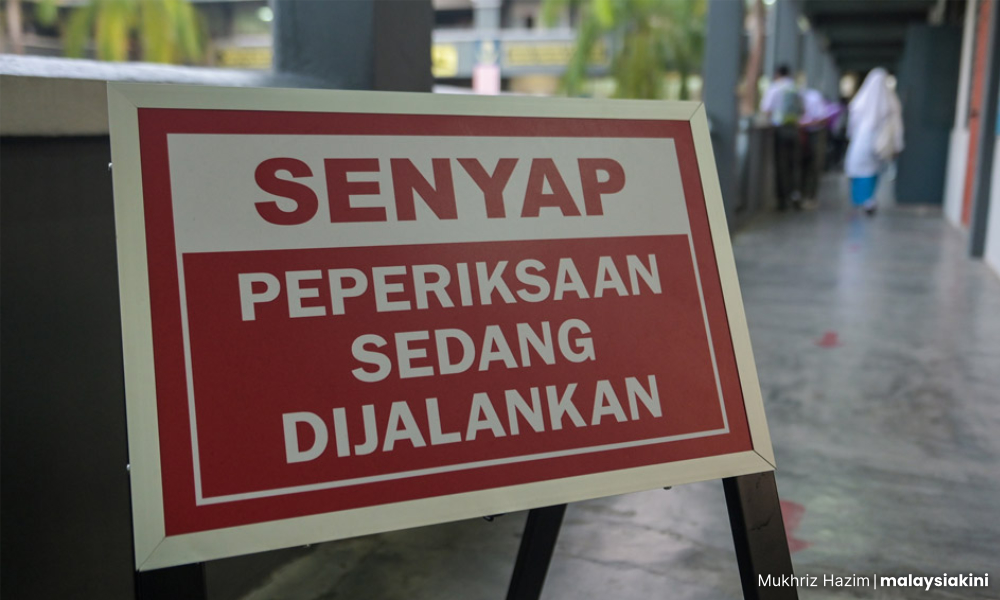
Further, he also suggested tax exemptions for parents of children who were heavily involved in such activities, which would allow them to purchase the necessary equipment, uniforms, and pay for competition participation fees.
Public higher education reform
Earlier, R Yuneswaran (Harapan-Segamat) also suggested that the higher education system, including the UPU process, should be significantly reformed to be more inclusive.
“Every year, we see successful students being denied places in public universities, regardless of their pre-university qualifications.
“The existing system has given the impression that many successful students, especially from ethnic minority backgrounds, are being oppressed and sidelined by it,” he said.
The Segamat MP urged the government to build more public universities and address the discrepancy between public and private universities to offer more opportunities for students to pursue higher education.
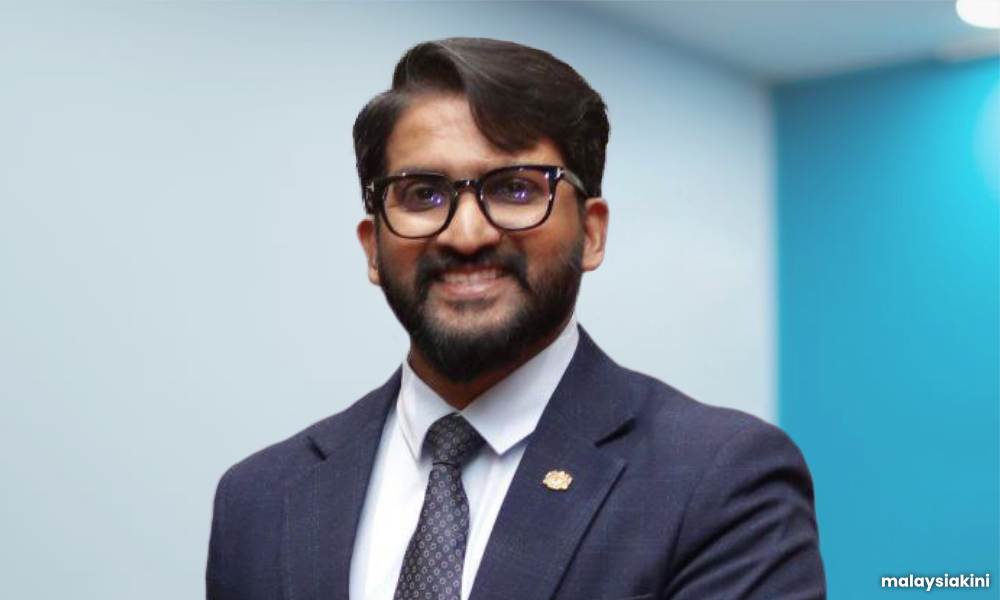
“We have only 20 public universities… but there are more than 400 private higher education institutions in Malaysia,” he said, adding that the system often forced students to rely on private education after being denied places in public universities.
Further, he emphasised how such a system only continues to exacerbate the discrepancy between different ethnic and income groups, and often pushes talented Malaysians to seek better opportunities abroad.
“There should be no students left behind solely due to the lack of places,” he stressed.
He urged the government to consider building at least one university for technical and vocational education and training (TVET) students, more satellite campuses, and improving e-learning initiatives, so students in remote locations could still pursue an education.
The Segamat MP urged the Higher Education Ministry to build more universities, including one specifically focused on TVET, and urged that at least 25 percent of the national budget in upcoming years should be allocated for higher education.
More teachers’ training, less homework
In his speech today, Saifuddin also highlighted how the RM150 million allocation for teachers’ training announced under Budget 2026 had failed to provide more details on the upcoming syllabus reforms.
The Indera Mahkota MP urged for more transparency in the government’s plans for the upcoming education blueprint, and also criticised the lack of cohesion between the Education Ministry and the Higher Education Ministry.
Saifuddin stressed that teachers should be adequately trained before syllabus reforms could be introduced under the 2027 education blueprint, and that primary and secondary school subjects should focus on teaching only fundamental knowledge, without trying to over-complicate the syllabus content.
“I also hope we will be able to reduce the number of subjects being taught in schools, because there are currently too many. Schools should also make their objectives clear on each subject and refine the content that is being taught,” he said.
“Schools should be a place for children to feel happy and safe - not a place for (students to feel) tense, where cases of bullying, rape, and other serious issues happen,” he added.
Reporting by Qistina Nadia Dzulqarnain, Hariz Mohd, Dania Kamal Aryf, Haspaizi Zain
/file/publisher-c1a3f893382d2b2f8a9aa22a654d9c97/2025/10/fe6cd9d914b1d7c9fb29f123a477899a.jpg)
/file/publisher-c1a3f893382d2b2f8a9aa22a654d9c97/2025/10/d29c0dc0aabd23506d8fdc53dece2fcc.jpg)
/file/publisher-c1a3f893382d2b2f8a9aa22a654d9c97/2025/08/8b44b01f9426881afe2e0ce036da1110.jpg)
/file/publisher-c1a3f893382d2b2f8a9aa22a654d9c97/2024/10/25265e9d4c81a4be4fd3090658eb546a.jpg)


Report this comment
Are you sure you want to delete this comment?
This action cannot be undone.