


Budi95 quota for e-hailing drivers increased to 800 litres per month
Prime Minister Anwar Ibrahim has announced that the subsidised RON95 petrol quota for e-hailing drivers has been increased to 800 litres per month, subject to the conditions of their trips.
He also said airport taxis have been included in the list of vehicles eligible to receive the subsidised fuel as well...
UPDATED 7.51PM | Added Finance Ministry’s explanation on how the subsidy will be rolled out.
Prime Minister Anwar Ibrahim has announced that the subsidised RON95 petrol quota for e-hailing drivers has been increased to 800 litres per month, subject to the conditions of their trips.
He also said airport taxis have been included in the list of vehicles eligible to receive the subsidised fuel as well.
“We have listened to the people. Today, through the expansion of the Budi95 scheme, the limits for e-hailing drivers have been increased, while airport taxis can also receive the benefit.
“This is our commitment to ensure that subsidies are channelled to those who truly deserve and need them,” Anwar said on X today.
Earlier, Anwar told the Dewan Rakyat that the government was considering the request to increase the quota.
The 200-litre increase from the previously announced quota of 600 litres could benefit about 58,000 active drivers, he said, adding that the increased allocation could allow e-hailing drivers to drive for 5,000km on subsidised RON95.
“Yes. We will study. If true, the government agrees to increase (Budi95) to 800 litres or 5,000km, subject to certain conditions,” Anwar, who is also finance minister, said this morning.
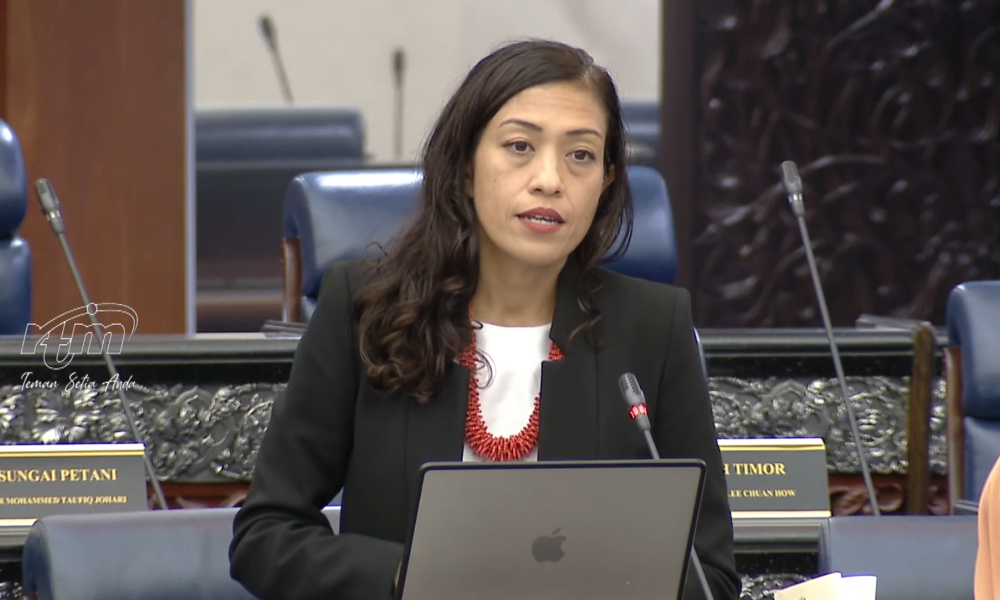
He was responding to a question from Bukit Bendera MP Syerleena Abdul Rashid.
A Finance Ministry statement later explained the tiered system for Budi95 eligibility for e-hailing drivers and airport taxi drivers.
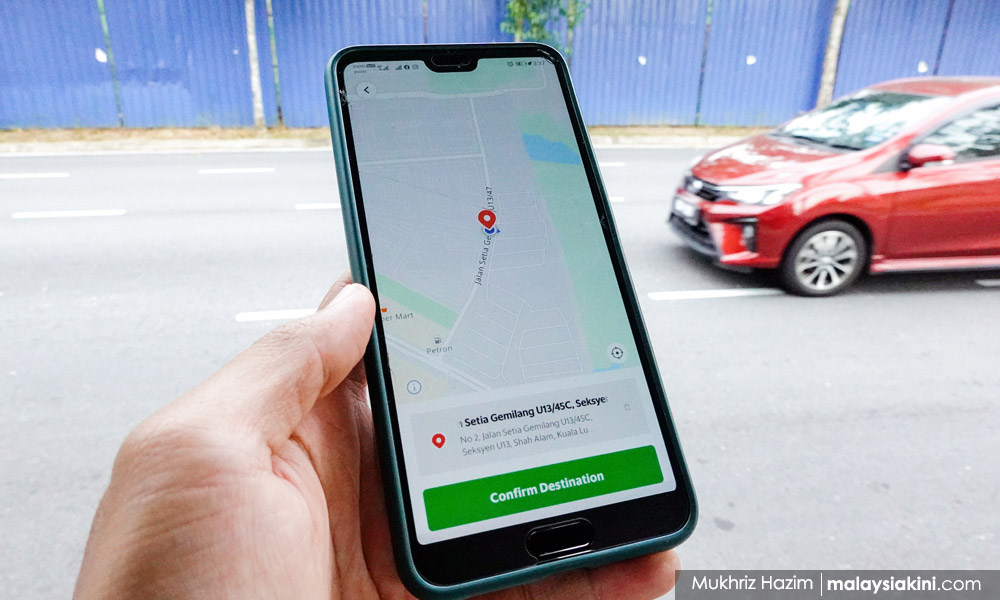
It said e-hailing drivers are eligible for additional subsidised fuel in the middle of each month, based on the total trip distance driven for all e-hailing service operators during the preceding month.
Those with less than 2,000km in the preceding month will not receive any additional subsidised fuel, but those trips totalling 2,000 to 5,000km will be eligible for 300 additional litres of subsidised fuel - for a total of 600 litres.
Those driving more than 5,000km in the preceding month are eligible for 500 additional litres of fuel, for a total of 800 litres. At current prices, this means RM1,592 worth of subsidised fuel per month that would otherwise cost RM2,080.
“The new threshold for trip distance is based on the Finance Ministry’s study of e-hailing trip distance data provided by e-hailing service operators, and Budi95 usage data of e-hailing drivers during September 2025.
“The reduction of the eligibility threshold from 3,000km to 2,000km - and the addition of the new tier above 5,000km - takes into consideration non-passenger trips that are not recorded by the e-hailing service operators’ apps.
“This ensures Budi95 eligibility at each tier is sufficient for the daily trips of most e-hailing drivers,” the ministry said.
Airport taxi operators
Further information will be announced by the Land Public Transport Agency, as well as the Commercial Vehicle Licensing Boards of Sabah and Sarawak.
Meanwhile, airport taxi operators may apply for fleet cards under the Domestic Trade and Cost of Living Ministry’s Subsidised Petrol Control System (SKPS) via the website.
They will be eligible for up to 800 litres of subsidised fuel.
“However, limousines operating at airports whose fares are not regulated by the Land Public Transport Agency are not eligible to apply for fleet cards under SKPS,” the Finance Ministry said.
The government rolled out the Budi95 scheme for about 16 million eligible Malaysian motorists on Sept 30, which allows them to buy RON95 petrol at the subsidised price of RM1.99 per litre up to 300 litres per month, while active e-hailing drivers were allowed to purchase 600 litres per month.
33pct of quota used
Anwar also informed the august house that, thus far, an average of 98.1 litres of Budi95 subsidised fuel is used per month (per motorist), which is the equivalent of 33 percent of the eligible quota.
About 13 million eligible Malaysians have used up RM2.6 billion worth of subsidised RON95 fuel, which has so far cost the government RM800 million in subsidies.
“Is 300 litres per month enough? If we look at the average used in October, it is 98.1 litres only, which is 33 percent of those eligible.
“Only seven percent of users used more than 300 litres which includes those who regularly go outstation,” he added.
Reporting by Alyaa Alhadjri, Haspaizi Zain




Report this comment
Are you sure you want to delete this comment?
This action cannot be undone.