




Parole - 'Second chance' for inmates
Once the amendment to the Prison Bill is passed, 2,300 prisoners will be eligible for parole next year, followed by 3,000 in 2009 and 3,500 in 2010.
Once the amendment to the Prison Bill is passed, 2,300 prisoners will be eligible for parole next year, followed by 3,000 in 2009 and 3,500 in 2010.
The Bill, if passed, allows for prisoners who have committed minor offences to be granted parole.
 However, Deputy Internal Security Minister Fu Ah Kiow, in winding up debate on the Bill, said parole will only be given to inmates, including HIV patients, who fulfill strict requirements.
According to Section 46(e) of the Bill, an inmate will be eligible for parole if he is sentenced to a minimum of one year imprisonment. The inmate will get parole after serving at least half of his term without taking into account the remission granted to him and after undergoing rehabilitation programmes.
The Bill also paves the way for the formation of a Parole Board, which will have seven members appointed by the King.
Fu said the board will be chaired by a member of the judiciary and will have a senior police officer, a senior prison officer, a senior welfare officer and three members of the public.
Reduce recidivism
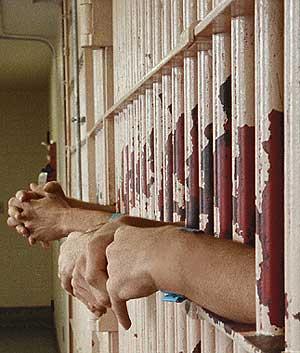 "The Public Service Department has approved for more people to be appointed as parole officers. These are experienced people who have to undergo training with Australian trainers," he said.
"An appointed person will not only be a parole officer, but also a counsellor to the inmates. They have to find suitable jobs for the inmates and must know what to do when they repeat their offences," he added.
He said the parole system will help reduce recidivism among inmates and give them a second chance.
"Furthermore, the parole system will also ease congestion in prisons and reduce prisons' operation costs.
“Presently, we're spending RM33 everyday for every inmate," he said, adding that the government will be able to save RM22 million a year if the system is implemented.
Fu said the government will explain to the public on the advantages of a parole system and their role in its implementation via the media.


