


/file/publisher-c1a3f893382d2b2f8a9aa22a654d9c97/2025/12/4e990072fbb45bee34b953812f42b281.jpg)

After 11 months, Orang Asli urge govt to release health clinic test results
The Temiar Orang Asli community of Kampung Kelaik, Kelantan, want the government to release the results of blood and biological tests performed on them in January, following a Malaysiakini exposé on mining near their land.
“We want to know if we are healthy. It has been very stressful waiting for the results,” said Ahak Uda, 58, head of the Kampung Kelaik action committee.
The Temiar Orang Asli community of Kampung Kelaik, Kelantan, want the government to release the results of blood and biological tests performed on them in January, following a Malaysiakini exposé on mining near their land.
“We want to know if we are healthy. It has been very stressful waiting for the results,” said Ahak Uda, 58, head of the Kampung Kelaik action committee.
Ahak said being left in the dark has made the families anxious about their well-being.
“We need to know if treatment is needed, and whether the heavy metals can be removed from our bodies,” said Ahak, who raised the matter to the Parliamentary Special Select Committee on Women, Children and Community Development yesterday.
He and some of the committee’s members spoke to Malaysiakini after testifying at the committee chaired by Puchong MP, Yeo Bee Yin. The committee heard their grievances as part of efforts to address issues faced by Orang Asli in Peninsular Malaysia.
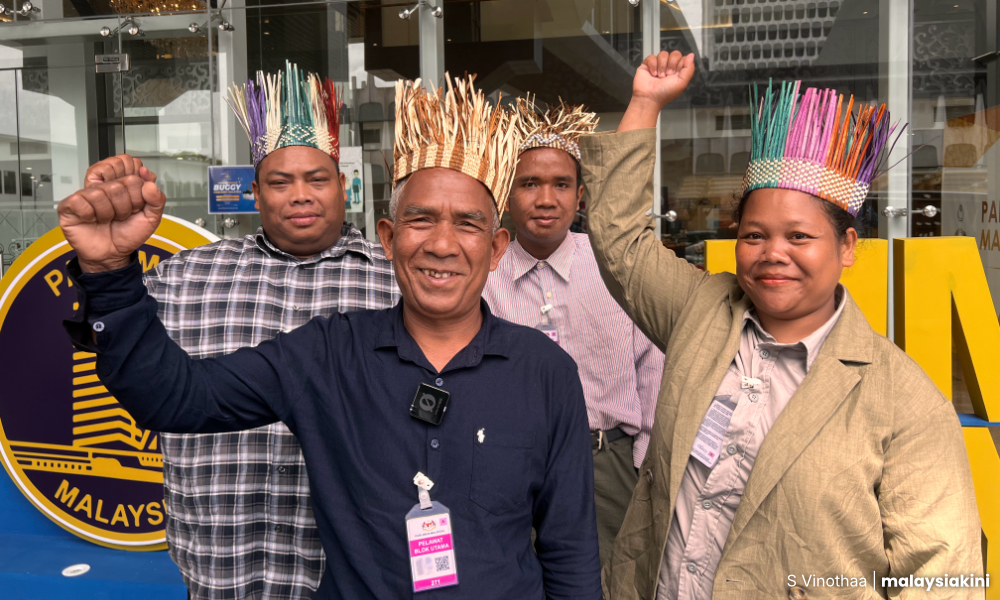
Ahak represented 202 villagers, living downriver from two iron ore mines that were ordered to halt their operations last December after Malaysiakini’s investigation found that these sites were poisoning the waters the community relied on.
Independent tests commissioned by Malaysiakini in October 2024 found high levels of chromium, a carcinogenic heavy metal, in some of the villagers.
Among those present today was Ahak’s son, Azlan, 20, whose blood tests by Malaysiakini found that the level of chromium in his body made his risk of developing cancer 64,000 times higher than normal.
READ MORE: Heavy metals found in Kelantan Orang Asli blood
Azlan was the youngest among six villagers who volunteered blood samples for Malaysiakini’s independent test, which screened for iron, chromium, arsenic, and aluminium.
Chemical health assessor Vivien How, who reviewed Malaysiakini’s test results, said chromium can remain in the body for weeks or months, suggesting Azlan’s exposure likely occurred not long before the test was conducted.
She described the findings as posing “serious red flags”, which warranted immediate investigation by the authorities due to their severe health implications.
Samples taken
In January, the Gua Musang Health Department held a health outreach programme, and the officers from the Institute for Medical Research (IMR) collected biological samples from the villagers.
Villagers said that at least 60 adults, aged 18 years and above, volunteered to provide blood, hair, and fingernail samples, but were uncertain of the full scope of the tests that would be conducted on these samples.
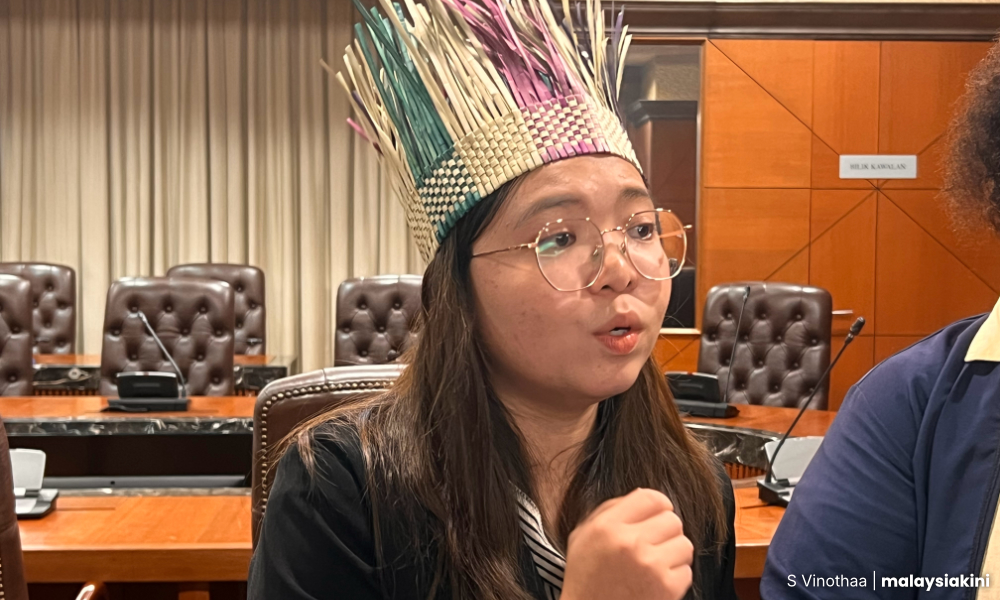
Orang Asli activist Eliana Tan, who was also present at yesterday’s session, said that it was important that the community was given the space to speak directly to lawmakers.
She added that indigenous communities must continue voicing their concerns even when the process feels long and difficult.
/file/publisher-c1a3f893382d2b2f8a9aa22a654d9c97/2025/08/ad2936ce39d7e91dfd04eeb3c9a85a2e.jpg)
/file/publisher-c1a3f893382d2b2f8a9aa22a654d9c97/2025/03/6807fcd1519ae6996d9c5e26b206b6f3.jpg)
/file/publisher-c1a3f893382d2b2f8a9aa22a654d9c97/2024/12/8e4d78b70630404765fe6c089082fe6f.jpg)
/file/publisher-c1a3f893382d2b2f8a9aa22a654d9c97/2024/12/1557787ecceeb9db15de384da4bacb5f.jpg)
/file/publisher-c1a3f893382d2b2f8a9aa22a654d9c97/2025/02/4c1fb470639b8aca6c43537e0d507751.jpg)
/file/publisher-c1a3f893382d2b2f8a9aa22a654d9c97/2025/02/f55276cee0c16877ce3e1a64e1ce178d.jpg)
/file/publisher-c1a3f893382d2b2f8a9aa22a654d9c97/2025/01/c9c93e598f00671a53ebd8c74529386c.jpg)


Are you sure you want to delete this comment?
This action cannot be undone.