




Palm oil: 'Beware price manipulation'
It has happened before. Crude palm oil (CPO) was sold at RM3,000 per tonne in 1984. Instead of rejoicing, the primary industries ministry conducted a check that confirmed the price had been engineered.
It has happened before. Crude palm oil (CPO) was sold at RM3,000 per tonne in 1984. Instead of rejoicing, the primary industries ministry conducted a check that confirmed the price had been engineered.
 Kuching Consumer Association president Bujang Ulis - a former deputy primary industries minister - painted this scenario as he urged a similar probe into the basis for the sudden demand and current high price of CPO.
He had helmed the investigations, which discovered that the spike in price 24 years ago had been due to manipulation by the head of a US-based global fast food chain.
"We have to be careful because there are 14 alternatives to palm oil, including soybean, corn and sunflower oils which are of (economic) interest to the US. There are many stakeholders in palm oil. If the price is being manipulated, we must be prepared to cushion the impact should demand plunge.
"Players, especially smallholders, are likely to open up acreage and invest what they have. They could end up like cocoa farmers who once dumped everything to venture into the crop at the height of demand only to rue their losses when the price crashed shortly afterwards.”
Bujang said there are some 118,444 oil palm smallholders in Malaysia with up to 500,000 ha of land between them.
Malaysian CPO futures registered RM3,170 per tonne for the benchmark March contract, an increase of 1.6 percent, mainly due to tight supply. Palm oil is used for both food and non-food applications.
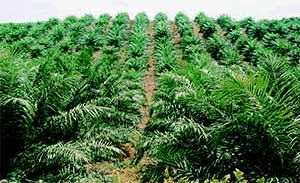 He also said the government and major plantation companies must capitalise on the current positive trend to make restitution to those whose livelihoods have been affected by expanding oil palm cultivation.
Such groups would include those who did not receive adequate compensation when land was acquired for growing oil palm, he said.
“They should be paid fairly now that we are blessed with excess income. Big players must give back to the society more meaningfully by helping to provide basic infrastructure especially in the rural areas.”
Bujang suggested that the time has come for Malaysia to open a research centre to study world commodities, in order to analyse trends and marketing strategies for major crops.
"It’s like a war out there. We have weapons but must study the effectiveness of the arsenal of our competitors," he quipped.


Are you sure you want to delete this comment?
This action cannot be undone.